1,000 Stray Cows Paralyze a North Macedonian Town as Seizure Order Sits Unenforced
More than 1,000 stray cattle roam 34 villages around Kriva Palanka. A 2024 seizure order sits unenforced, and the mayor wants a 30-day state of emergency.
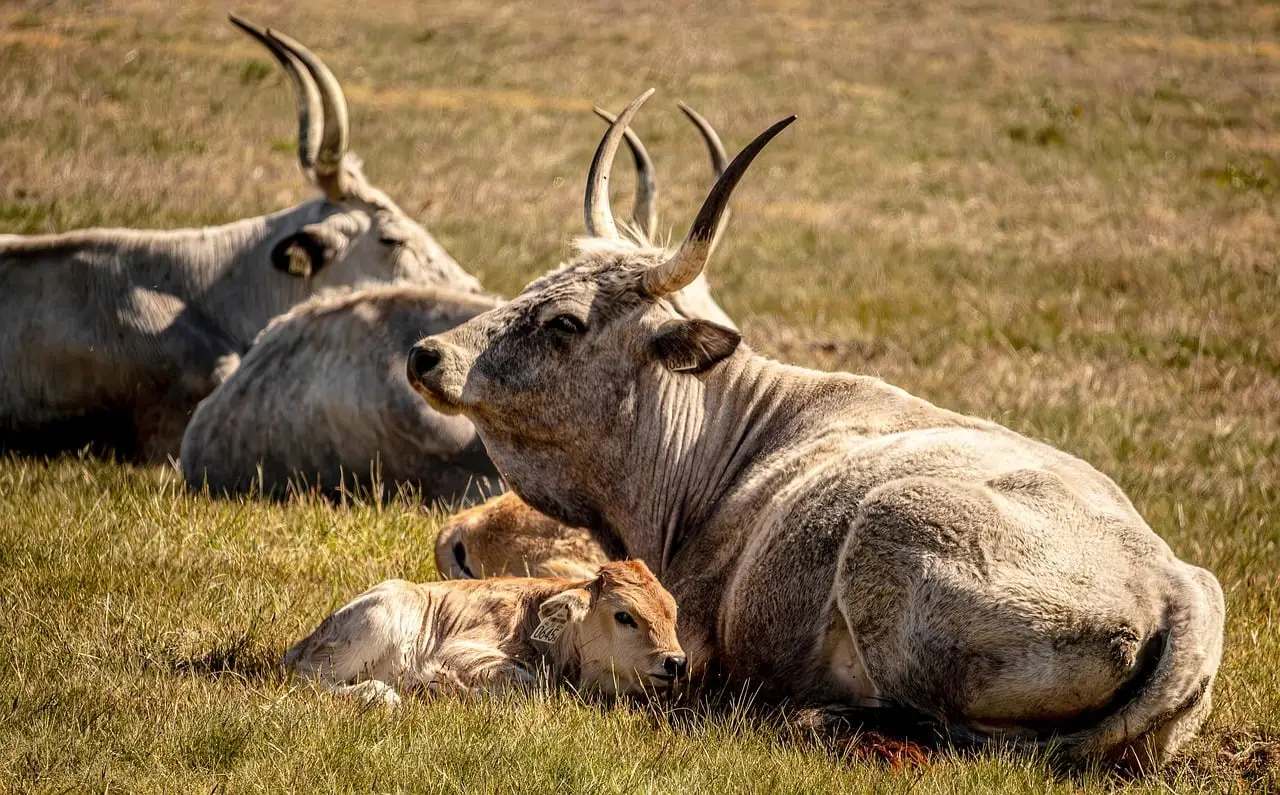
Photo: workingzen / pixabay
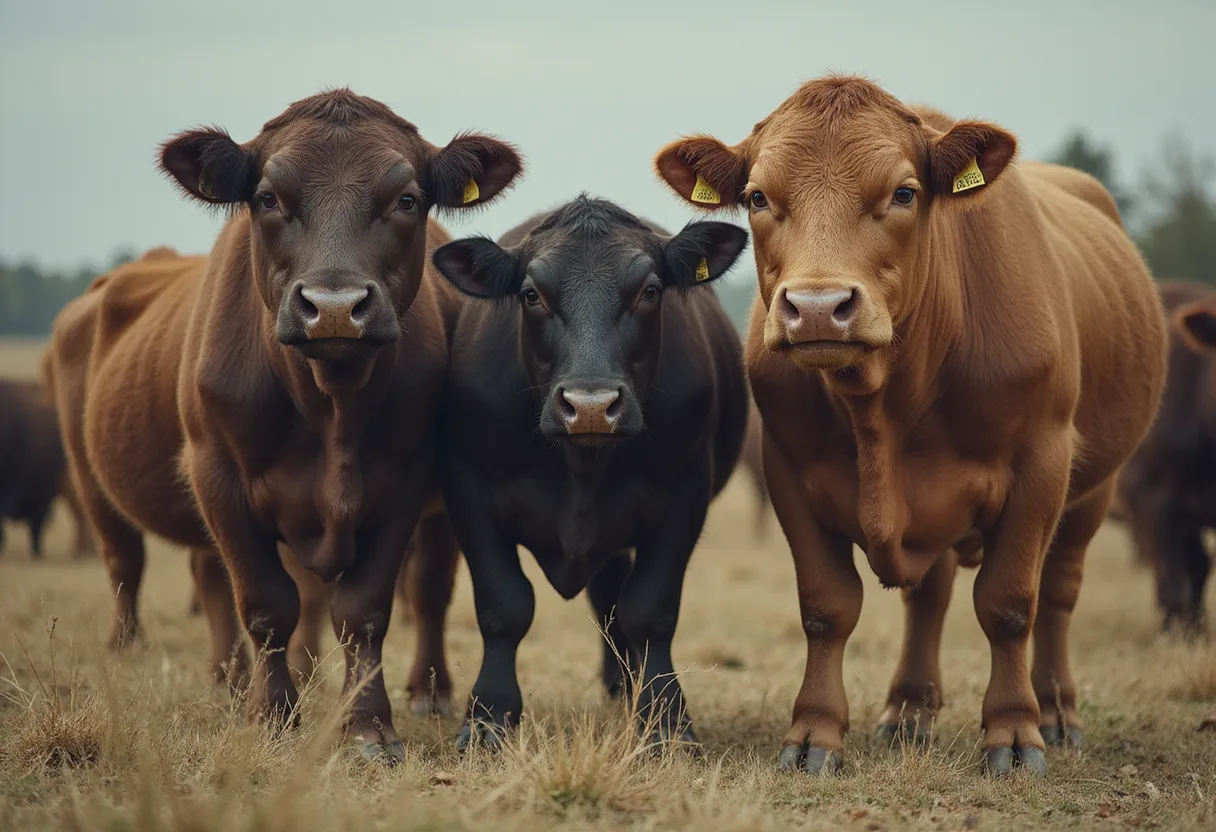
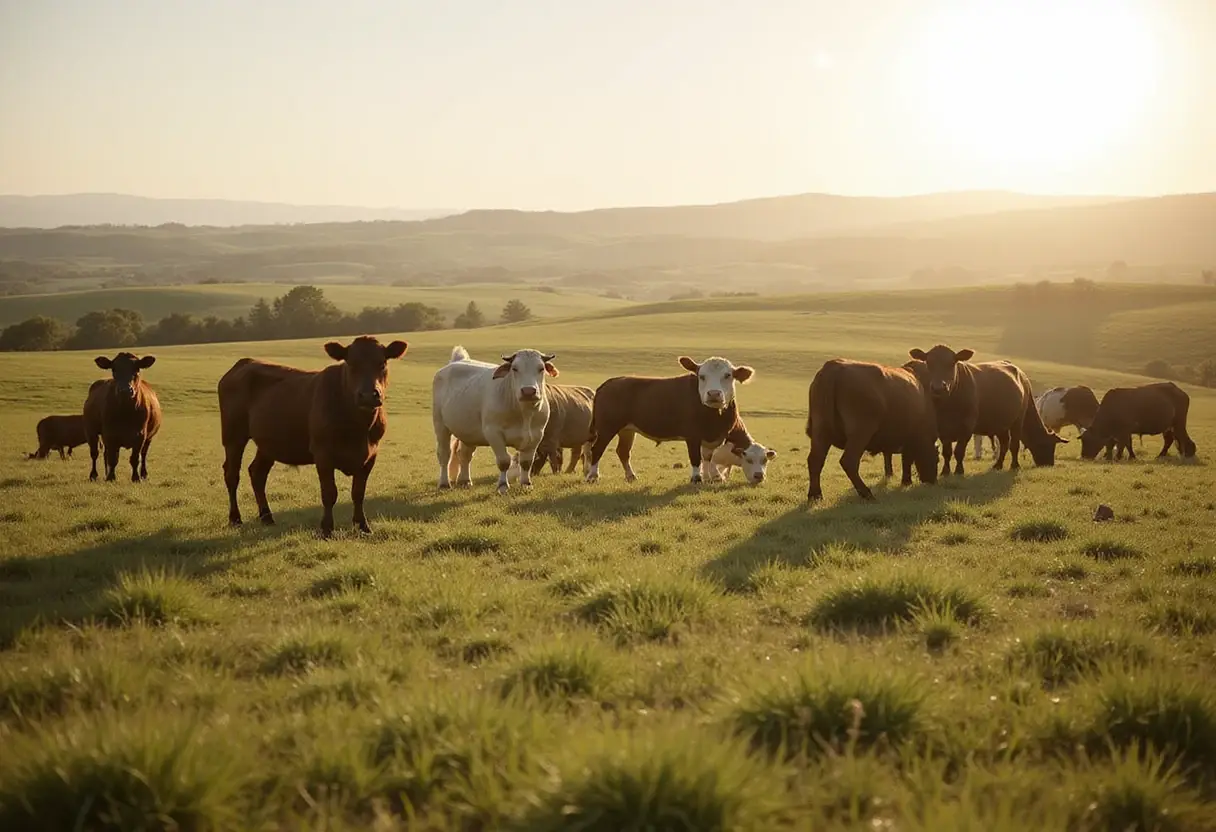
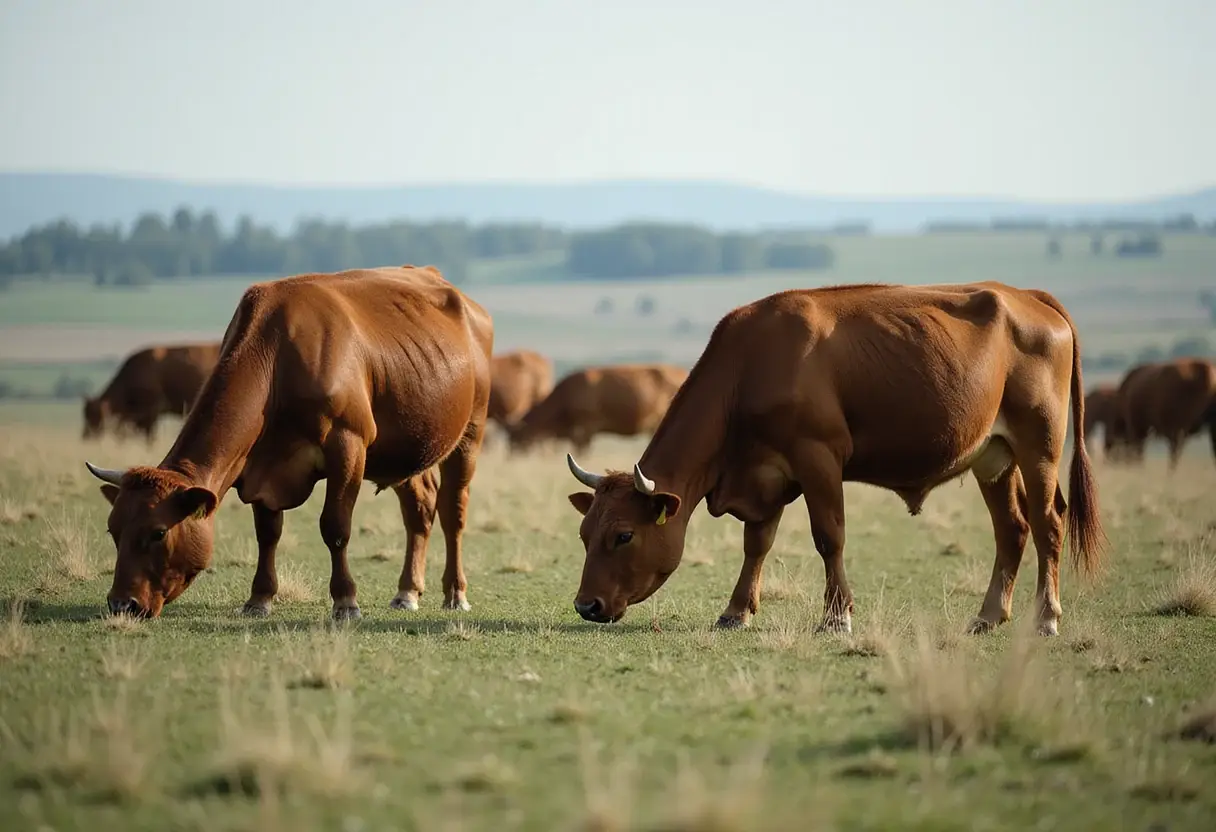
A herd of more than 1,000 unowned, free-roaming cattle has overrun Kriva Palanka, a farming town of roughly 19,000 people in northeastern North Macedonia, and a Food and Veterinary Agency seizure order issued in 2024 remains unenforced. The mayor is now asking the national government to declare a 30-day state of emergency to move the animals off the land.
The herd has grown fast. Mayor Sashko Mitovski told the Associated Press the number of cattle has risen from 400 four years ago to more than 1,000 today, spread across 34 surrounding villages. The animals descend from the hills, mostly at night, and feed on gardens and crops.
What does the failure to enforce cost the town?
The damage runs beyond ruined produce. The cows threaten the town's water supply and create a traffic hazard on the road leading to neighboring Bulgaria.
Mitovski said cattle died near the town's main water sources last year, potentially poisoning the supply. He again faulted the Food and Veterinary Agency for failing to act.
Pensioner Lazo Stamenkovski, 71, who lives on the town's outskirts, said the animals have destroyed more than 150 trees in his orchard. "They constantly destroy the produce in my garden, wander onto the highway and endanger traffic safety on the road leading to Bulgaria," he told the AP.
Who owns the cattle, and why has the seizure failed?
Three owners hold the animals on paper, but the legal footing has shifted. "Since 2024, the herd has been the property of the Food and Veterinary Agency. The absurdity is that the agency issued the seizure order but has failed to enforce it," Mitovski said, adding that the municipality has no legal authority to intervene on its own.
Enforcement collapsed in court. One owner was charged and detained last year for obstructing an agency seizure operation, but Mitovski said the owner walked free after an agency inspector testified in court that he had not obstructed the attempted seizure.
"What I am saying is that this is an interconnected system involving serious wrongdoing by numerous people, and it is difficult to determine where it ends," Mitovski said.
A government spokesperson did not immediately respond to an AP request for comment on Friday evening.
How are residents responding?
Protests are underway, and frustration has turned violent in places. Residents of one outlying neighborhood said some angry locals have beaten the cows and in some cases slaughtered them, while insisting the animals themselves are not at fault — the system is.
"The government is responsible for everything that is happening to us. Not just this government, but all previous governments as well," said Venka Nikolovska, 59, a housewife from Kriva Palanka. "We are all suffering — both people and animals."
She also pointed to the broader economic absurdity in a country of 1.8 million people, at least one-third of whom live in poverty: "North Macedonia imports meat, milk, vegetables and fruit, while 1,000 cows roam unchecked across the country and destroy the farms. It makes no sense."
What is the way out?
Mitovski has convened a crisis management headquarters and is pressing the government of Prime Minister Hristijan Mickoski to declare a 30-day state of emergency in the municipality, which he said would supply the money and resources needed to resolve the problem permanently. "We concluded that, for years, none of the responsible institutions had shown either the willingness, commitment or capacity and resources to resolve the problem," he said.
Money is not the obstacle. At current livestock market prices, the herd carries an estimated value of between 360,000 and 570,000 euros ($385,000 to $610,000). Some residents propose the government sell the cattle at an affordable price so households can buy and care for them, a practical outcome in a country where food imports coexist with a thousand idle, destructive animals.
Whether Skopje acts on the emergency declaration will determine if the 2024 seizure order finally moves from paper to pasture.
Source: morningagclips.com
Elena Vasquez
Show full bio
Market editor covering money, funding and market shifts around Small- and large-animal clinical practice at The Vet Scope.
Related articles
Large Animal Vet Shortage Adds New Burden for Cattle Producers
Fiji's Tabia farms rotate cattle, goats and sheep as pasture dries
780 Veterinary Experts Deployed to Nigeria's Rural Livestock Areas
Odesa Region Restricts Livestock Grazing Over Romania Pox Outbreak
U.S. Veterinary Shortage Threatens Food-Animal Herds and Supply