Fiji's Tabia farms rotate cattle, goats and sheep as pasture dries
Fiji livestock farmers in Tabia, Macuata are rotating cattle, goats and sheep in three groups as prolonged dry weather strips pasture, with farmers reporting weight loss and deaths.
Updated
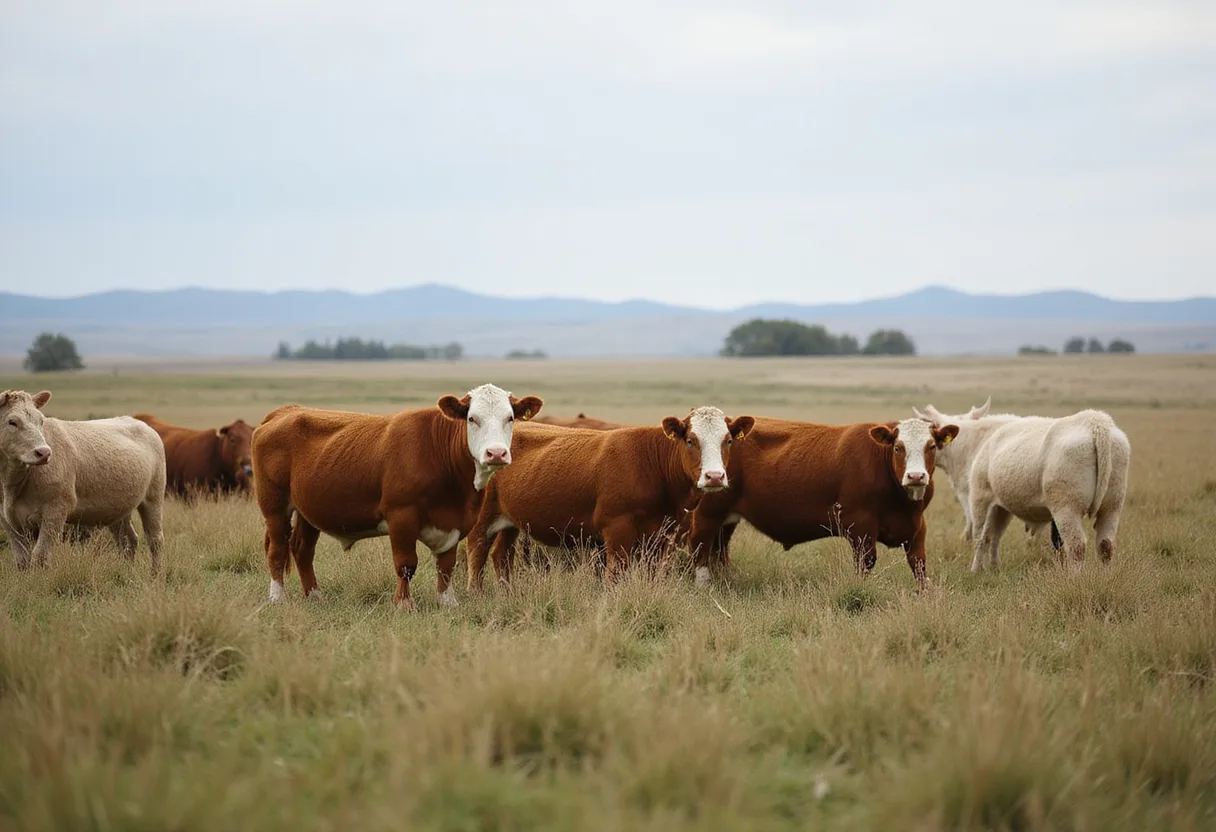
Photo: AI-generated
Pasture has dried up across Tabia, Macuata, pushing livestock farmers in Fiji's Northern Division to split their cattle, goats and sheep into three groups and rotate them across remaining grazing areas, FBC News reporter Peceli Naviticoko wrote on October 6, 2026.
The prolonged dry weather has shrunk feed and water access for mixed-species herds, with farmers now reporting weight loss, visible signs of poor health and livestock deaths across Tabia.
Mohammed Faiyaz, who farms in the area, told FBC News he can no longer feed his animals from the land around his property. "Now, we have to go and get grass from somewhere else just to feed our cattle, goats and sheep. Everything is drying up, and the pasture is no longer green or healthy. We are worried about our livestock, and we are hoping for more assistance for large-scale livestock farms," Faiyaz said.
What does the situation look like in Tabia?
Akuila Moimoi, another Tabia farmer, described the herd-level strategy producers are now running to manage the dry spell. Farmers are dividing their livestock into three groups and moving them between grazing areas to preserve what pasture remains. Farmers are walking some animals closer to the river for whatever water and grass can still be found.
The report describes cattle, goats and sheep sharing the same farms. Goats typically tolerate dry-season, low-quality forage better than cattle, with sheep falling between the two on drought tolerance. All three species lose body condition quickly when standing pasture disappears and water points dry up.
What signs are farmers seeing?
Farmers reported weight loss, visible signs of poor health and outright deaths among animals in Tabia's mixed herds, according to the FBC News report. They did not provide a species-by-species count of losses, and the report does not name any veterinary authority examining the affected animals.
What is at stake beyond the paddock?
FBC frames the pressure on Tabia's mixed-species farms as a production-animal concern and a household food-security concern. With standing pasture gone and farmers already cutting grass elsewhere to keep animals alive, the cost of running cattle, goats and sheep climbs while the animals themselves lose market value as their body condition drops.
Deaths in breeding stock now will translate into fewer animals available for the next wet-season recovery, extending the drought's impact well past the current dry window unless supplementary feed, mineral support and reliable water reach the farms in time.
What support has been requested?
Faiyaz's call for "more assistance for large-scale livestock farms" is the only external intervention mentioned in the FBC report. No veterinary authority, extension service or feed-supply program is named in the story.
What happens next?
Whether government extension services, supplementary feed or veterinary outreach reach Tabia's herds in the coming weeks will determine how far the reported deaths and weight loss extend before the dry spell breaks. Faiyaz and Moimoi have outlined the grassroots response; outside support has yet to be confirmed.
Original: fbcnews.com.fj
Daniel Okafor
Show full bio
News editor covering technology and product news in Small- and large-animal clinical practice at The Vet Scope.
Related articles
Dry Conditions Drive Farmer Demand for Mineral Blocks
FAO urges stronger One Health push for grassland livestock
780 Veterinary Experts Deployed to Nigeria's Rural Livestock Areas
Indian UNMISS peacekeepers run veterinary clinics in Jonglei State
UC Agriculture and Natural Resources Publishes Livestock and Rangeland Recovery Guidance