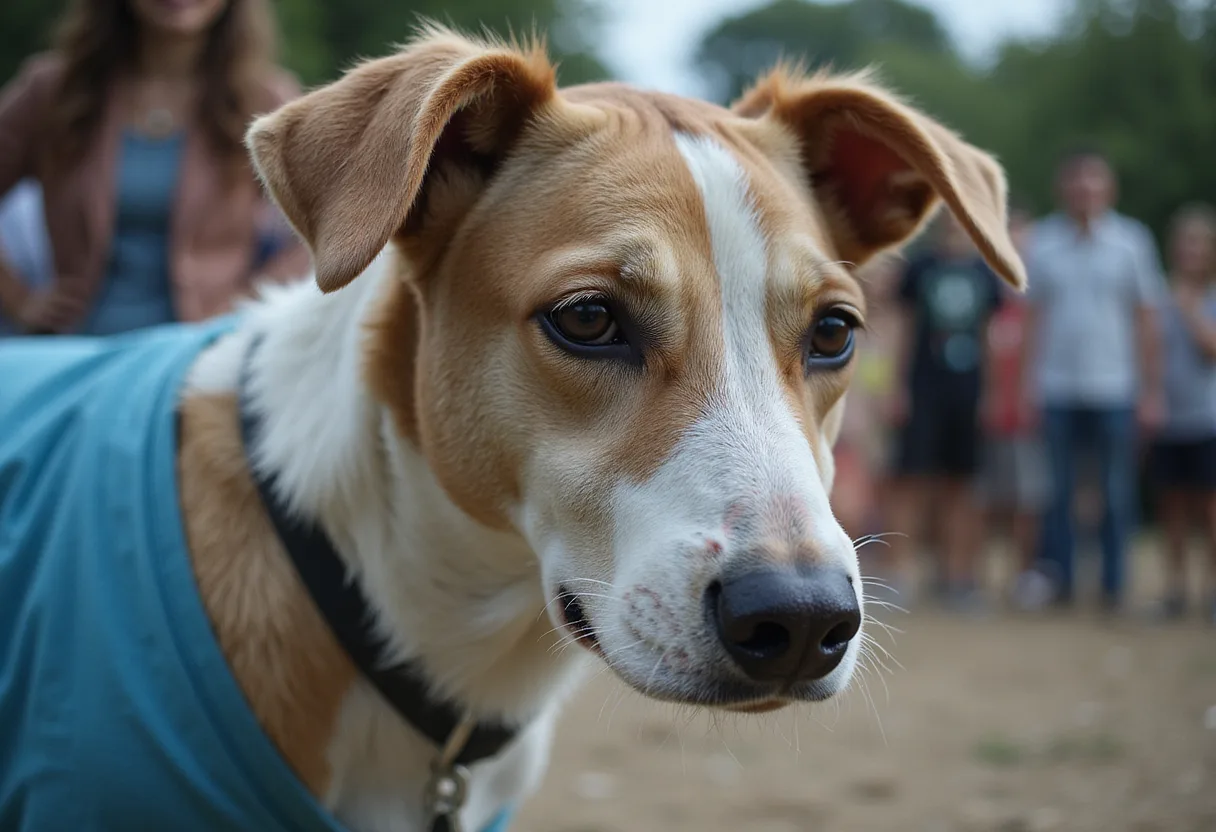
Indian UNMISS peacekeepers run veterinary clinics in Jonglei State
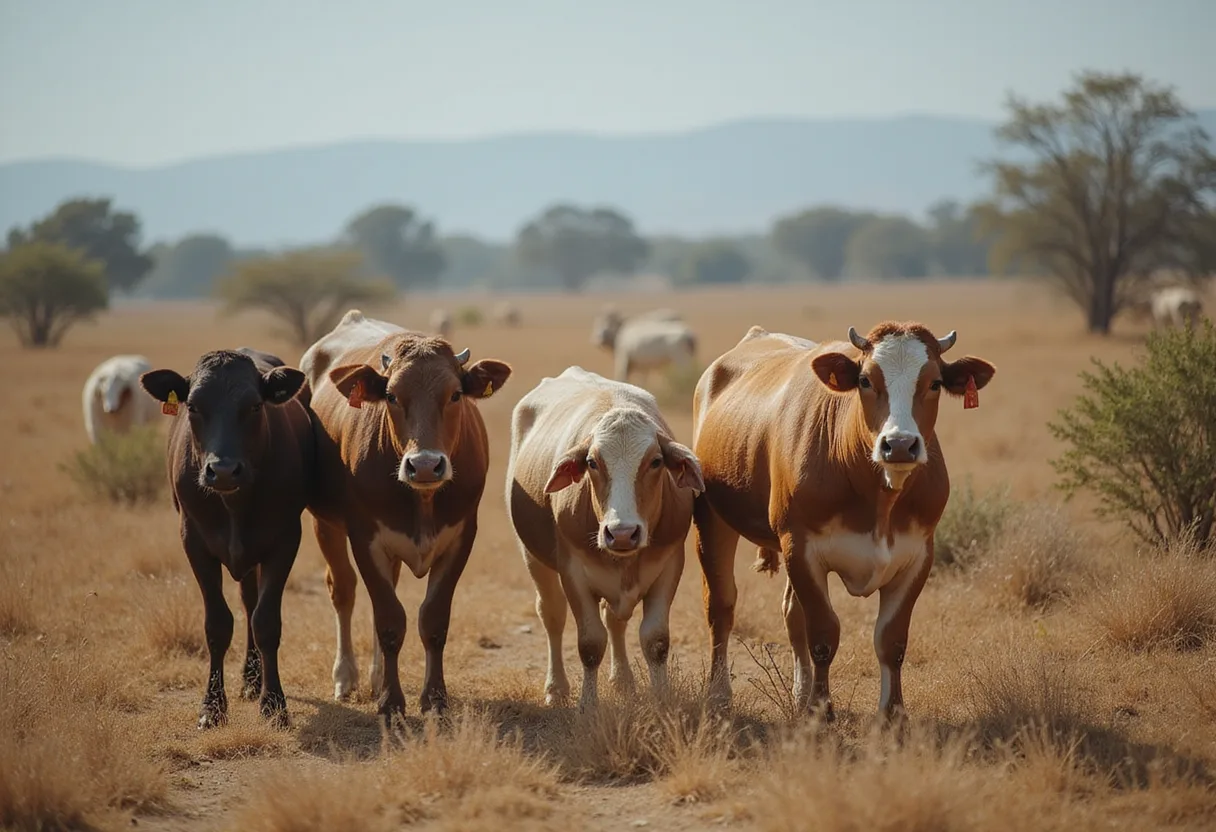
Indian military veterinary contingents under UNMISS are anchoring a livestock-health program in Jonglei State, South Sudan, the UN mission press service reports, treating cattle, goats and sheep in cattle-camp communities.
Updated
Indian military veterinary contingents serving with the United Nations Mission in South Sudan (UNMISS) are running an active livestock-health program in Jonglei State that the UN mission press service describes as transforming veterinary services and rural livelihoods in one of the most conflict-affected pastoral landscapes in East Africa.
The deployment places Indian-formed military veterinary units at the center of an animal-health outreach program in Jonglei, one of South Sudan's largest states by area and a stronghold of cattle-camp pastoralism. UNMISS frames the work as a dual-track intervention — herd-side disease prevention and treatment on one side, and rebuilding productive capacity for cattle-camp families on the other.
Jonglei's pastoralist economy, anchored in cattle, goats and sheep along the Sudd wetland and its feeder rivers, has lost large shares of its herds to raiding, drought and undiagnosed endemic disease over the past decade of upheaval. Indian military veterinary units deployed under successive UN mandates have run community "cow camp" clinics in pastoralist settings across Africa, pairing basic treatment with disease surveillance and herder education.
What does the work change at the practice table?
Companion-animal veterinarians will read the deployment as outside their routine scope. The targets are cattle, goats and sheep, not dogs or cats.
For food-animal and herd-health practitioners, the relevance is direct. Endemic pathogens in Jonglei herds include East Coast fever, contagious bovine pleuropneumonia, anthrax, hemorrhagic septicemia and tick-borne parasitoses, all of which depress milk yield, draft power and herd replacement across the East African pastoralist belt. Treatment and preventive protocols fielded by trained military veterinarians often outpace what local animal-health auxiliaries can deliver, and the gap is widening rather than narrowing in conflict-affected states.
For public-health and One Health practitioners, the deployment carries recognized zoonotic weight. South Sudanese cattle populations carry ongoing risk for Rift Valley fever, brucellosis and bovine tuberculosis — pathogens that cross into herder households through raw milk, slaughter and obstetric contact. A standing veterinary channel inside an active conflict theater is a logistical asset most national public-health agencies cannot replicate, and it creates a recurring contact point for cross-species health messaging.
What changes for the broader profession?
Two practical effects stand out. The deployment reinforces the role of military veterinary contingents as an emergency surge capacity that nongovernmental and private channels rarely substitute, particularly in regions where cold chains, vehicle fleets and trained labor have evaporated. The program also underscores the value of veterinary record-keeping under fire: data captured during cow-camp visits feed back into regional disease surveillance networks that inform vaccination prioritization and trade-route decisions across East Africa.
Regulatory status of any pharmaceuticals administered during the program is not specified in the headline UNMISS release. Veterinary products deployed under UN mandate typically follow UN procurement standards rather than FDA CVM, EMA or USDA pathways, and operators elsewhere should not assume routine over-the-counter availability of compounds reported in UN field outputs.
How should practitioners read the impact?
The UN press material credits the Indian contingents with the program's reach but does not disclose treatment counts, animal totals or coverage figures in the headline release. Until UNMISS publishes operational data — herd coverage, vaccination totals, clinic days — practitioners reading the announcement should treat the impact claims as qualitative.
The UN peacekeeping veterinary footprint in South Sudan continues to shift under Security Council mandates emphasizing protection of civilians and political-process support. As the mission recalibrates, the open question is whether the Indian contingents' community-level delivery leaves behind a trained local workforce capable of absorbing the caseload once the UN drawdown accelerates, or whether the herders of Jonglei will see veterinary coverage collapse again with the next mandate cycle.
Source: Google News: Livestock health
Amara Osei
Show full bio
Correspondent covering companies, deals and strategy in Small- and large-animal clinical practice at The Vet Scope.
Related articles
780 Veterinary Experts Deployed to Nigeria's Rural Livestock Areas
ICAR-RCER Health Camp Treats 134 Livestock, Reaches 110 Farmers in Gaya
FAO Backs South Africa's Push to Empower Veterinary Paraprofessionals
FAO urges stronger One Health push for grassland livestock
L-PRES deploys 760 veterinary experts to Kwara for livestock push