780 Veterinary Experts Deployed to Nigeria's Rural Livestock Areas
L-PRES has deployed 780 veterinary experts to rural Nigerian communities facing a chronic shortage of veterinary doctors, with direct implications for livestock health and disease surveillance.
Updated
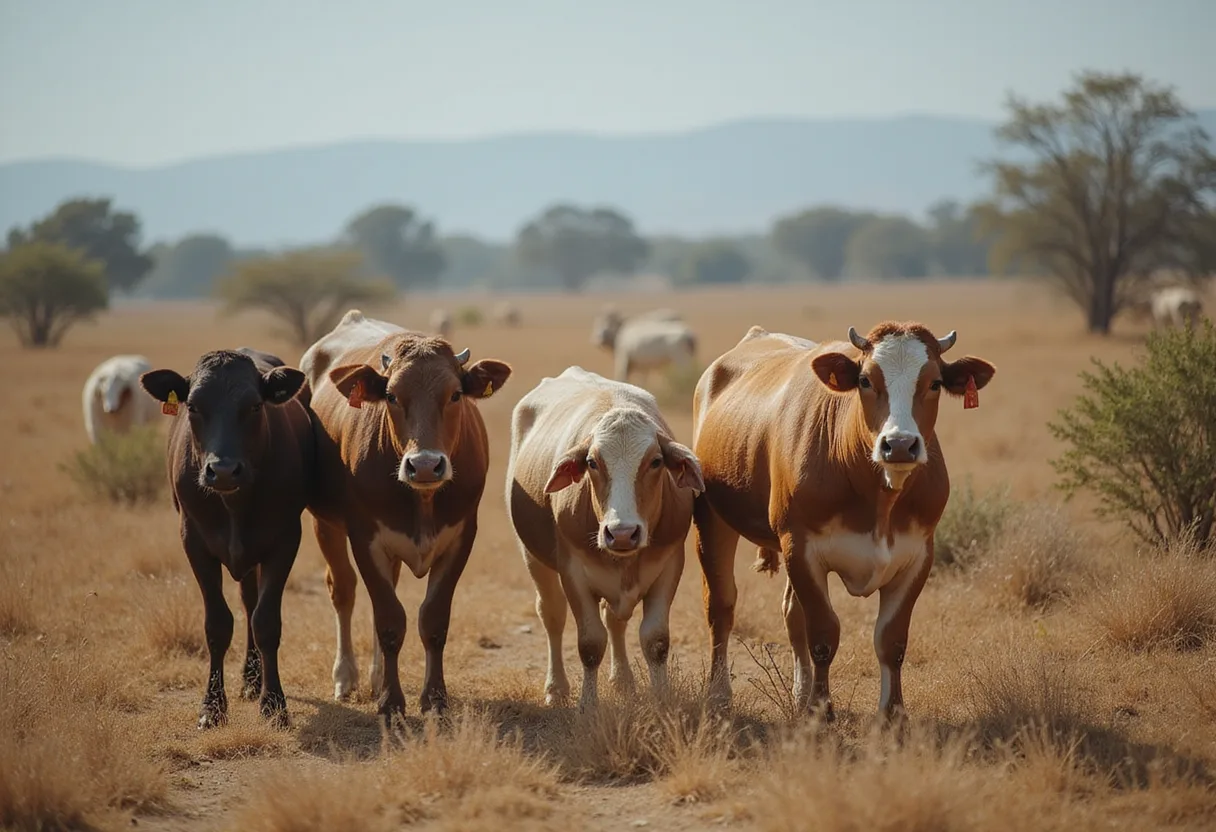
Photo: AI-generated
Nigeria's Livestock Productivity and Resilience Support Project (L-PRES) has deployed 780 veterinary experts in response to a persistent shortage of veterinary doctors in rural communities, The Guardian Nigeria News reported.
The deployment is the project's most concrete step to date against a workforce gap that has left large parts of the country's livestock-producing areas without adequate professional animal health coverage. The 780 personnel represent the single largest commitment of veterinary expertise to rural Nigeria described in the report.
Why does the rural shortage matter?
The absence of veterinary doctors in rural communities carries direct consequences for Nigeria's food-animal sector. Herders and smallholder livestock farmers in underserved areas typically lack routine access to disease diagnosis, vaccination support and treatment services that urban and peri-urban practices provide.
For a livestock economy of Nigeria's scale, the shortfall translates into:
- Delayed detection and response to livestock disease outbreaks
- Higher mortality in herds without professional oversight
- Reduced productivity in a sector central to rural household income
The report frames the shortage as a structural problem rather than a temporary staffing issue, which is why L-PRES has treated a large-scale deployment — rather than incremental recruitment — as the necessary response.
What does the deployment change in practice?
The 780 experts are being sent into rural communities where veterinary presence has been thin or absent. That shifts the geography of care: expertise that has historically concentrated in cities and institutional settings moves closer to the animals and producers who need it.
For the veterinarians and allied professionals involved, the deployment also represents a significant posting decision — hundreds of specialists redirecting their work toward field-level, food-animal and public-health duties in areas that the profession has struggled to staff.
The food-animal implications come first in this story: healthier herds, better disease surveillance and improved resilience of livestock production systems are the stated rationale behind the project's name and its intervention.
The public-health dimension follows closely. Rural livestock areas with no veterinary oversight are also areas where zoonotic disease monitoring is weakest. Placing professionals in those communities strengthens the front line of outbreak detection for diseases that can move from animals to humans.
What comes next?
The report presents the 780-expert deployment as L-PRES's answer to a gap it has publicly lamented, and the project's success will now be measured in how effectively those professionals are distributed, retained and supported across Nigeria's rural livestock belt.
Source: Google News: Livestock health
Amara Osei
Show full bio
Correspondent covering companies, deals and strategy in Small- and large-animal clinical practice at The Vet Scope.
Related articles
L-PRES deploys 760 veterinary experts to Kwara for livestock push
Too Few Vets, Too Many Animals: The Farm Veterinarian Shortage
Rural Veterinarian Shortage Strains Farm Animal Care in Countryside Communities
FAO Backs South Africa's Push to Empower Veterinary Paraprofessionals
Large Animal Vet Shortage Adds New Burden for Cattle Producers