UC Agriculture and Natural Resources Publishes Livestock and Rangeland Recovery Guidance
UC ANR has released "Livestock and Rangeland Recovery," a framework pairing herd decisions with grazing-land assessment for California ranchers and their veterinarians.
Updated
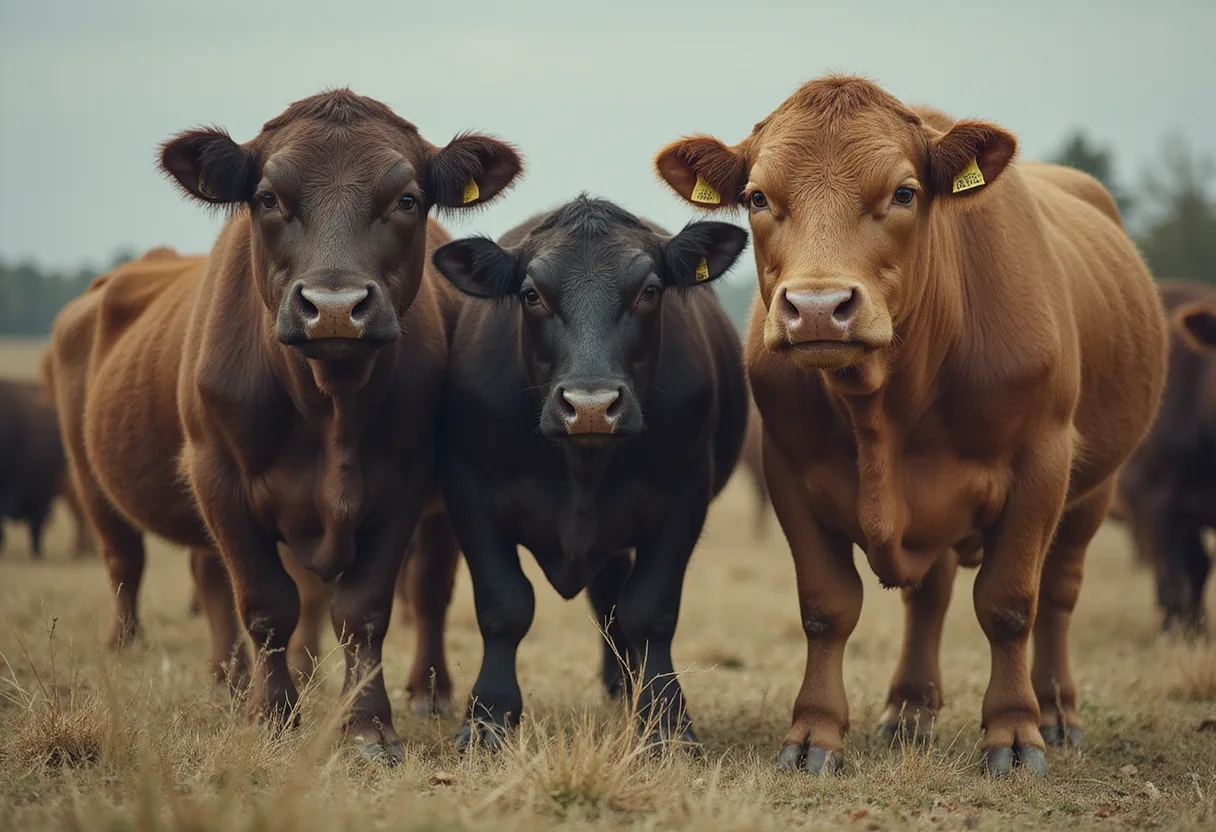
Photo: AI-generated
UC Agriculture and Natural Resources (UC ANR) has released a resource titled "Livestock and Rangeland Recovery," aimed at ranchers and veterinarians working to restore cattle operations and grazing land after severe disruption in California.
The publication addresses a gap that practitioners in the state know well. Rangeland and livestock losses often arrive together, yet recovery planning for animals and for forage has historically been handled in separate documents. UC ANR's resource brings both into a single framework.
Who is the resource for?
The primary audience is California ranchers, extension advisors, and the veterinarians who support herd health during and after emergencies. UC ANR operates a cooperative extension network across the state, and its production guides circulate widely through county extension offices and the organization's online catalog.
For food-animal practitioners, the practical value lies in the timing. Decisions made in the weeks after a disaster — whether animals stay on damaged pasture, whether feed and water sources are safe, and when restocking should begin — carry consequences that extend across an entire production cycle.
What does the resource cover?
The title itself signals the two tracks of the guidance:
- Livestock recovery: assessment of animal condition, feeding strategy when normal forage is unavailable, and herd decisions in the aftermath of loss.
- Rangeland recovery: evaluation of grazing land, the role of residual vegetation, and the management choices that determine whether rangeland rebounds or degrades further.
The document sits within UC ANR's established body of work on California rangeland management, a system the organization has covered for decades through its extension publications.
Why does this matter at the practice level?
California rangelands face recurring stress from drought and wildfire, and both events push herds and pasture in the same direction: less available forage, more purchased feed, and harder culling decisions. When ranchers call their veterinarian after such events, the conversation usually starts with animal condition and ends with the question of what the land can support.
A recovery framework that pairs those two questions gives practitioners a reference point for advising clients on restocking timelines and feeding programs. It also gives extension advisors and vets a shared vocabulary when they coordinate on a single operation.
The public-health dimension is narrower here than in companion-animal or regulatory stories, but it is not absent. Livestock displaced or stressed by disaster require monitoring for injury, disease exposure, and feed and water contamination — tasks that fall to veterinarians before any herd-level recovery plan can proceed.
What is the basis of the guidance?
UC ANR does not present this as a single study with a sample size and study design. It is an extension resource, built on the organization's rangeland science program and its field experience with California producers. Readers should expect management guidance rather than trial data.
That distinction matters for how the material is used. Peer-reviewed trials support specific interventions; extension guidance supports operational decisions. This document belongs to the second category, and its authority rests on UC ANR's long institutional record in California rangeland systems.
What comes next?
UC ANR typically distributes such resources through its online catalog, county extension offices, and advisor networks, and updates them as post-event field experience accumulates. Practitioners who advise ranching clients in fire- and drought-affected counties should watch for that distribution and for follow-up publications as recovery seasons progress.
Source: Google News: Livestock health
Daniel Okafor
Show full bio
News editor covering technology and product news in Small- and large-animal clinical practice at The Vet Scope.
Related articles
FAO urges stronger One Health push for grassland livestock
Large Animal Vet Shortage Adds New Burden for Cattle Producers
Too Few Vets, Too Many Animals: The Farm Veterinarian Shortage
TheHorse.com Releases Cross-Species Hurricane Preparedness Guide
Rural Veterinarian Shortage Strains Farm Animal Care in Countryside Communities