Odesa Region Restricts Livestock Grazing Over Romania Pox Outbreak
Odesa region has restricted livestock grazing after a pox outbreak in Romania, aiming to keep the contagious virus from crossing into Ukrainian sheep and goat herds.
Updated
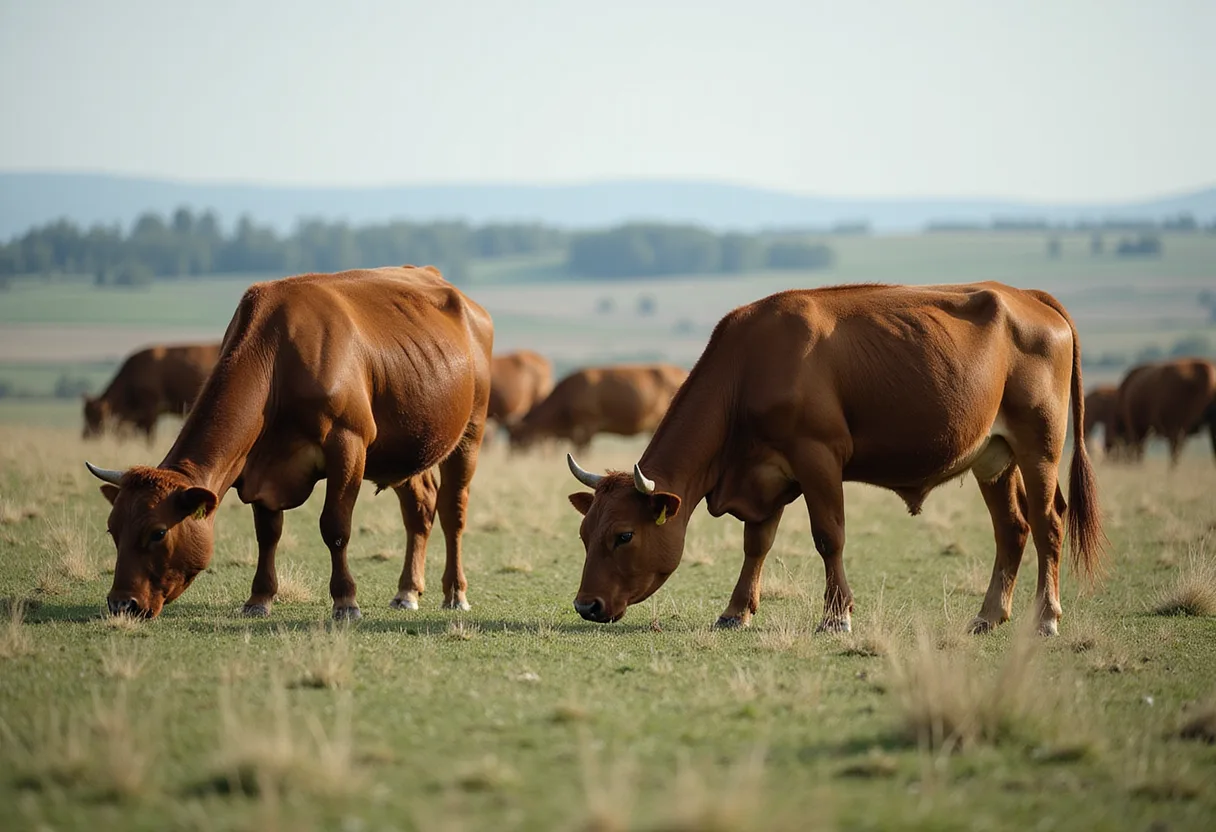
Photo: AI-generated
Livestock grazing has been restricted in Ukraine's Odesa region in direct response to a pox outbreak reported among animals in neighboring Romania. The restriction targets the movement and pasturing of susceptible stock in a border territory that sits directly on one of the region's most active livestock trade and transhumance corridors.
The measure is preventive. Romanian authorities have confirmed the outbreak on their side of the border, and Odesa regional officials responded by limiting where farmers can graze animals — a step intended to reduce contact between domestic herds and any potentially infected animals or animal products moving through the frontier zone.
Why does a Romanian outbreak trigger action in Ukraine?
Pox viruses affecting livestock — in Eastern European usage, "smallpox" among farm animals most commonly refers to sheeppox and goatpox, members of the Capripoxvirus genus — are among the most contagious diseases of small ruminants. The virus spreads through direct contact, contaminated equipment, feed, and airborne transmission over short distances. Herd-level mortality can be severe, particularly in naïve populations.
That biology is what makes the Odesa restriction a standard epidemiological tool: if infected animals, or products from them, cross the border, restricting grazing and movement concentrates livestock under owner control and away from shared pasture and watering points where transmission would occur undetected.
Odesa occupies the frontier position. Its proximity to Romania and Moldova means seasonal animal movement, informal trade, and refugee-period livestock relocation all pass through the region — each a plausible route for cross-border introduction.
What changes for producers right now?
For farmers in the restricted zones, the immediate practical impact is on daily herd management:
- Grazing is limited or prohibited in designated areas until the restriction is lifted.
- Animals must be kept under closer observation, with owners expected to watch for pox signs: skin nodules, lesions around the mouth and muzzle, fever, and nasal discharge in sheep and goats.
- Any suspected case should be reported to veterinary authorities promptly; early reporting determines whether a localized restriction suffices or broader quarantine follows.
Veterinary services in the region are the enforcement and surveillance arm of the measure. Restricting grazing only works if it is paired with active clinical surveillance, so practitioners and state veterinarians in Odesa region should expect heightened case-reporting duties and possible on-farm inspections while the order remains active.
Public health and trade implications
The public-health picture is narrow. Poxviruses of sheep and goats are not considered a significant zoonotic threat to humans, so this is fundamentally an animal-health and economic measure, not a food-safety alarm in the way avian influenza or African swine fever responses can be.
The economic stakes are real for producers. An introduction of sheeppox or goatpox into Odesa herds would trigger culling, quarantine, and loss of market access — costs that fall on individual farms long after the outbreak is contained. Prevention through grazing restriction is materially cheaper than the alternative.
What comes next?
The duration of the Odesa restriction will depend on Romania's ability to contain and stamp out its outbreak, and on surveillance results on the Ukrainian side of the border. If Romanian authorities report the outbreak controlled and no cases emerge in Odesa region, officials can lift the grazing limits; any confirmed case inside Ukraine would instead expand quarantine zones and could prompt vaccination decisions at the regional level.
Source: Google News: Livestock health
Nathan Brooks
Show full bio
Senior reporter covering companies, deals and strategy in Small- and large-animal clinical practice at The Vet Scope.
Related articles
Namibia Suspends Livestock Movement After Foot-and-Mouth Outbreak
Foot-and-Mouth Disease Reaches Five Farms as Officials Warn Against Easing Controls
EMA Backs Authorisation of Lumpy Skin Disease Cattle Vaccine
Rift Valley Fever Outbreak Confirmed in Mauritania and Senegal
Namibia Shifts to FMD Vaccination in Karasburg Outbreak, Drops Culling Plan