University of Minnesota webinar targets newborn lamb and kid survival
Dr. Angie Varnum of University of Minnesota Extension will lead a Nov. 19, 2026 webinar on routine and emergency critical care for newborn lambs and kids during lambing season.
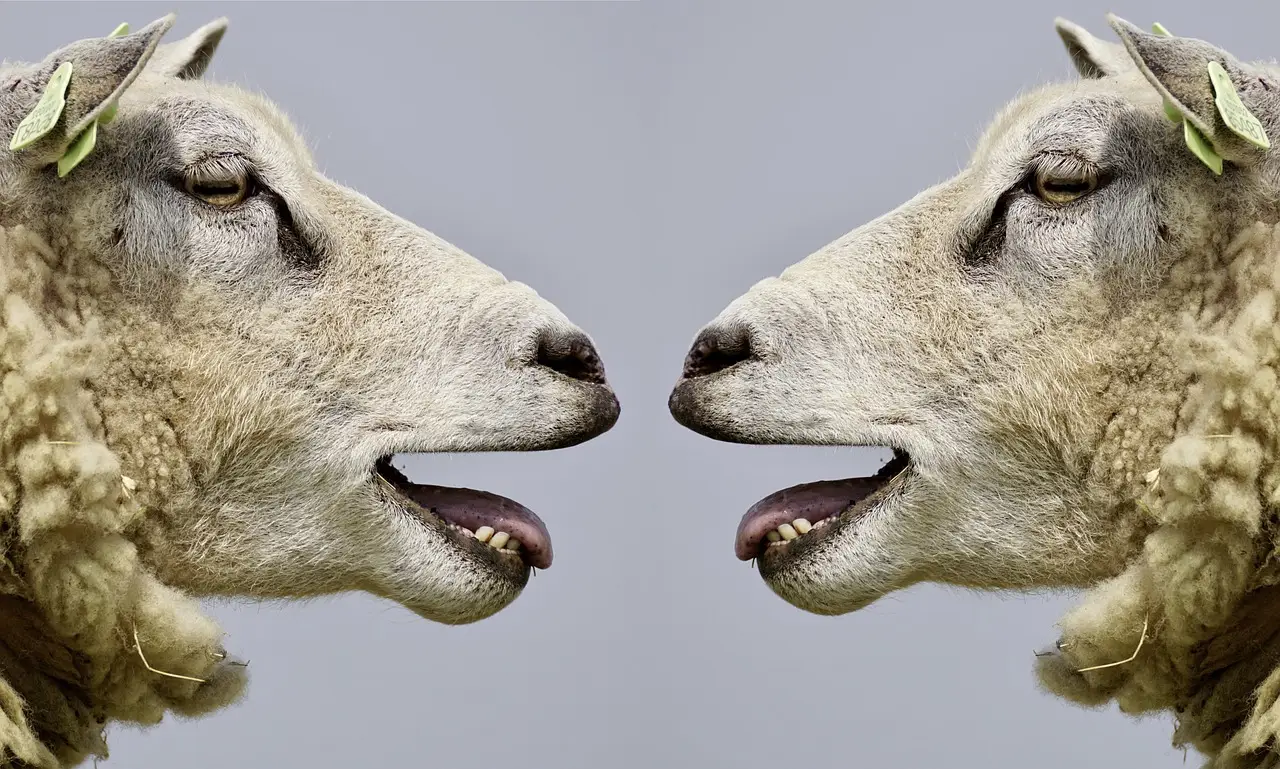
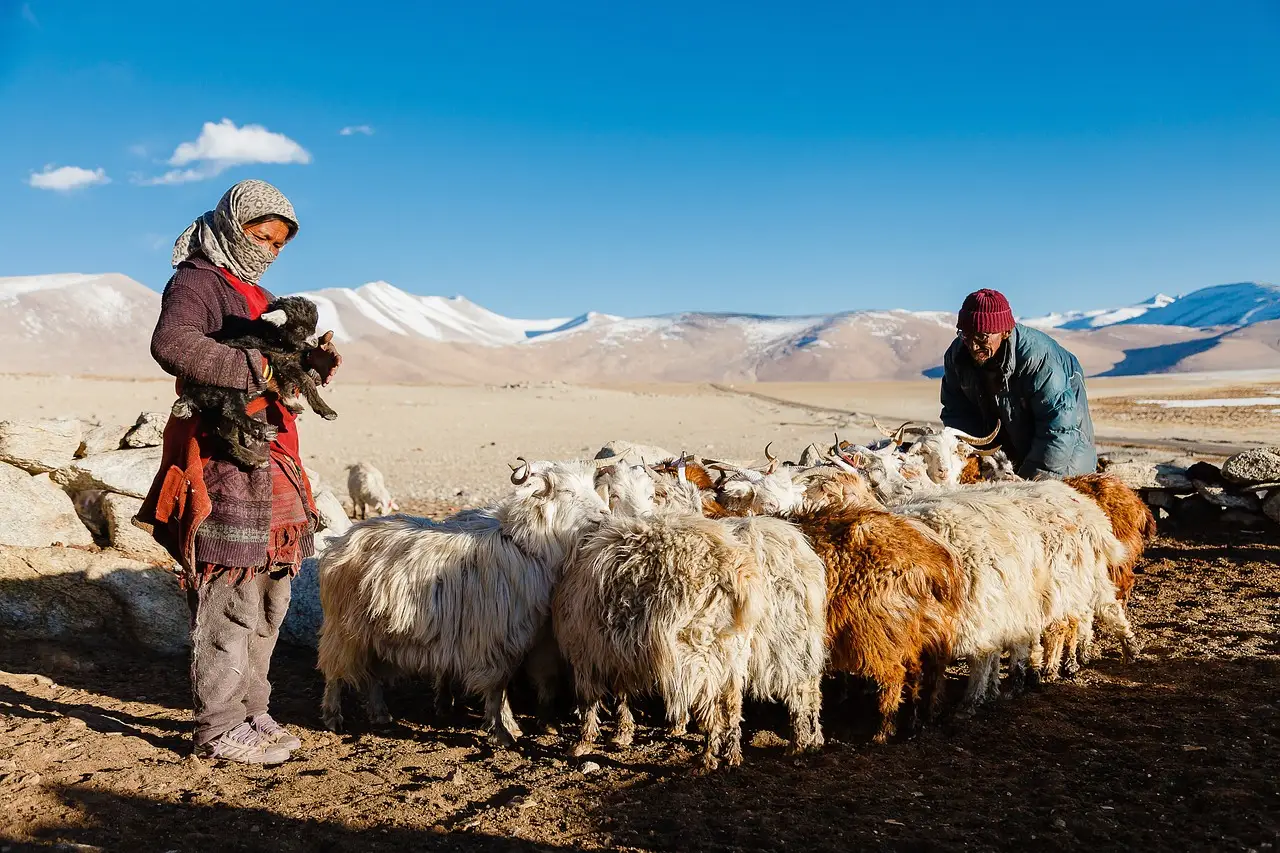
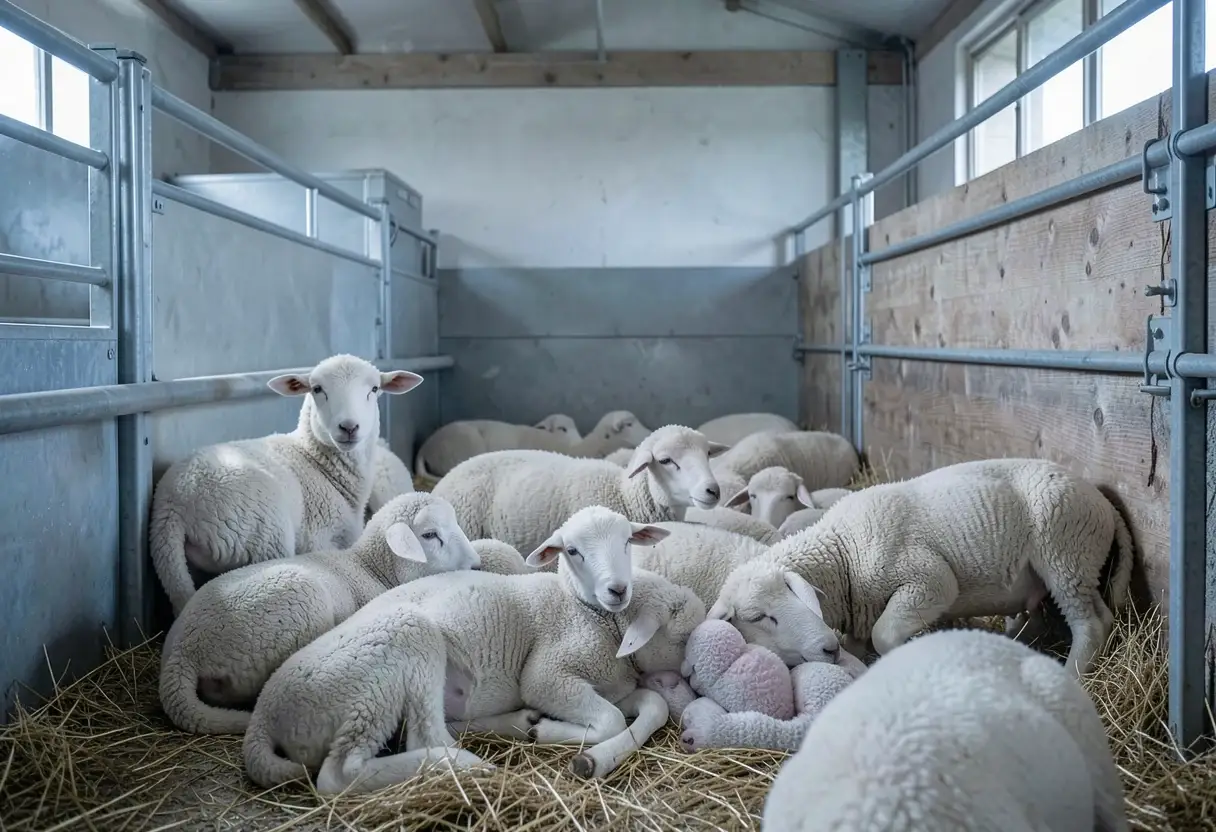
Photo: AI-generated
University of Minnesota Extension will host a webinar on critical care for newborn lambs and kids on Thursday, Nov. 19, 2026, at 7 p.m., aimed at improving neonatal survival during the lambing and kidding season — a period the presenter describes as one of the most stressful on the small-ruminant production calendar.
Dr. Angie Varnum, Extension Livestock Veterinarian with the University of Minnesota, will present the session, drawing on real-world experience in the lambing barn. Her focus is the first 24 hours of life, the window she calls decisive for neonatal outcomes in sheep and goats.
"Lambing is stressful in part because you have a small window of time to get it right," Dr. Varnum said. "You've invested time, worry, and feed into the pregnant female, and you want to ensure her newborns hit the ground running."
What will the webinar cover?
The program is built around practical decision-making in the barn rather than theory. According to the announcement, the agenda includes:
- The reasoning behind common management practices performed immediately after birth
- Expected behaviors of healthy newborn lambs and kids, so producers can judge normal against abnormal
- Early indicators that a newborn may need assistance
- Practical tips and techniques for neonatal resuscitation
- Strategies to improve survival during the critical first 24 hours
That structure signals the session's core premise: producers lose lambs and kids not because intervention is impossible, but because the signs of trouble go unrecognized or the response comes too late. By pairing expected normal behavior with early warning indicators, the webinar gives attendees a reference point for triage in real time.
Who should attend?
The event is designed for a broad small-ruminant audience:
- Sheep and goat producers
- Farm managers
- Beginning livestock owners
- Anyone interested in improving newborn animal care and survival rates
For beginning producers in particular, the session addresses a familiar gap: the confidence to act quickly when a newborn is compromised. The announcement notes that participants will gain a better understanding of how prompt intervention and well-planned protocols can make a significant difference in neonatal outcomes — a claim grounded in the structure of the curriculum itself, which moves from recognition to resuscitation to first-day survival strategies.
"The first 24 hours are critical for neonatal survival," Dr. Varnum said. "Savvy protocols and the ability to act quickly can help everyone rest easier."
Registration details
The webinar will be held Thursday, Nov. 19, 2026, at 7 p.m. Producers and managers can register online at https://z.umn.edu/GSNewborn.
Dr. Varnum serves as an Extension Livestock Veterinarian with the University of Minnesota, where she provides education and outreach to livestock producers on animal health, welfare, and management practices. Her Extension role positions the webinar as part of the university's broader public outreach to the region's sheep and goat sectors.
Why the timing matters
The session lands ahead of the 2026–2027 lambing and kidding seasons, giving attendees months to translate what they learn into written protocols, equipment checks and barn-side plans before their next crop of newborns arrives. For producers who have lost lambs or kids to delayed intervention in past seasons, the Nov. 19 webinar offers a structured opportunity to build the early-recognition and resuscitation skills that Dr. Varnum says determine outcomes in the first day of life.
Source: morningagclips.com
Amara Osei
Show full bio
Correspondent covering companies, deals and strategy in Small- and large-animal clinical practice at The Vet Scope.
Related articles
Ewes Held at BCS 3.5–4.0 Live Longer and Produce More
Dairy Science study pairs automated BCS with lactation data to lift revenue
OSU Extension flags late winter as high-risk window for livestock
Parity linked to mastitis, lameness and reproduction in dairy study
Large Animal Vet Shortage Adds New Burden for Cattle Producers