Tariff Waiver Cut Cull Cow Prices Up to 9.3%, Data Show
Statistical models show the beef tariff waiver cut 90% lean trimmings 5% and cull cow prices up to 9.3%, while retail ground beef fell at most 1.4%. Costs so far fall on producers.
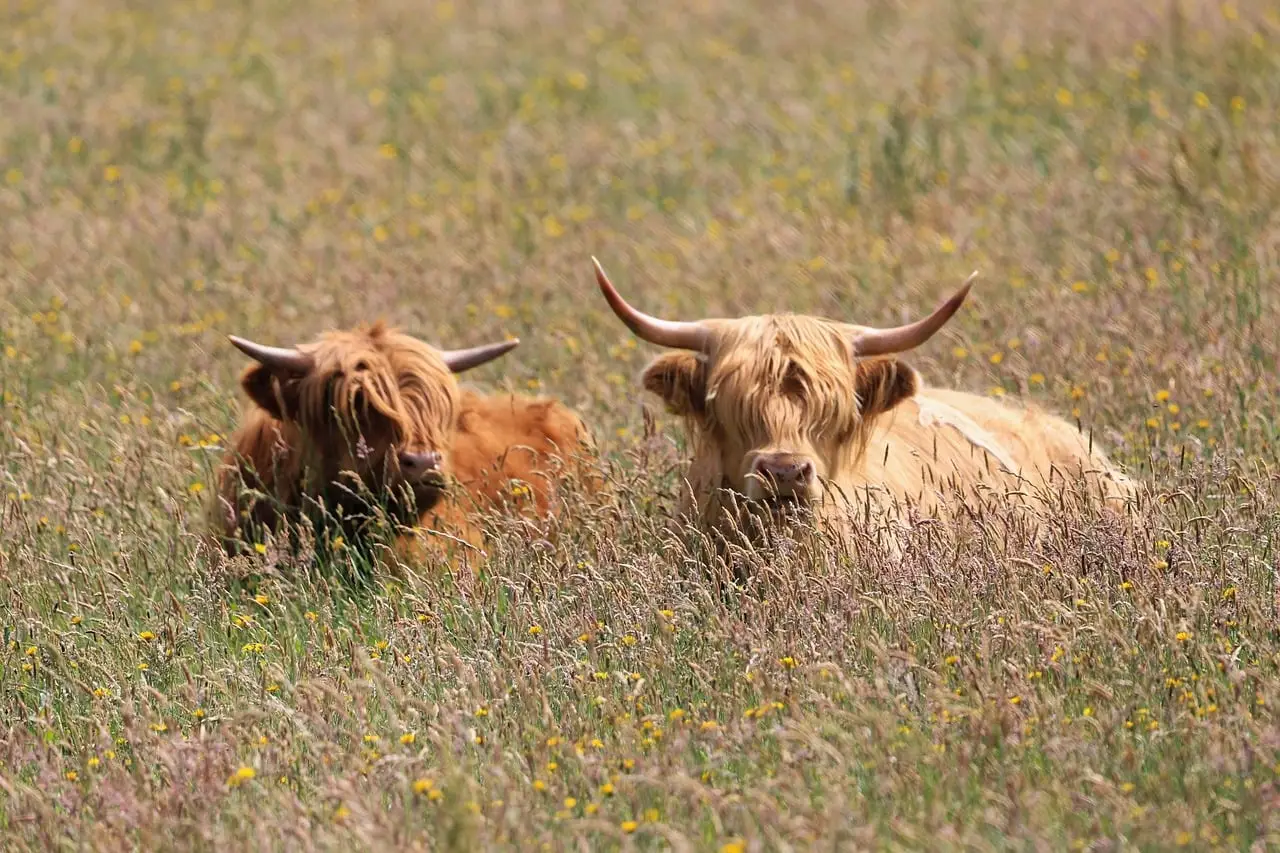
Photo: erwinbosman / pixabay
Two months into the expanded tariff-rate quota on lean beef imports, domestic 90% lean trimmings ran about $21 per cwt — roughly 5% — below predicted levels, and cull cow prices fell 7.1% to 9.3% below forecast, according to an analysis by Andrew Anderson, Ph.D., of Utah State University's Department of Agricultural and Resource Economics.
The policy, a temporary expansion of the tariff-rate quota, permits an additional 300,000 metric tons of beef to enter at the lower tariff from September 1 through November 30. In his August 31 column, Anderson estimated the waiver would lower fed cattle prices 1.5 to 3%, cull cow prices 5 to 10%, and ground beef prices 8 to 15%. His new analysis attempts to isolate what has actually happened since.
How the analysis works
Simple before-and-after price comparisons fail, because seasonal patterns and market forces move cattle prices regardless. Anderson instead built statistical models using data from 2003 to 2026 that predict where each price would have landed from August onward based on other factors: cattle on feed, beef production, feed costs, and beef demand. The gap between actual and predicted prices serves as his estimate of the policy's effect. Where the actual price falls outside the model's 80% error range, the gap likely reflects policy, not ordinary noise.
How much beef actually arrived?
The September numbers answer that question directly. Imports of boneless beef from quota-eligible countries — mostly Brazil and Paraguay — reached 56,000 metric tons in September, against roughly 23,300 tons predicted without the policy. That is about 33,000 tons of additional beef in one month.
Customs data show 37,486 tons entered under the first 100,000-ton tranche, so most quota beef appears to be genuinely new supply rather than beef that would have arrived anyway. Even so, the additional volume ran below the announced amount — and below Anderson's August assumptions. He had modeled a "low" scenario of 40% utilization; the actual figure came in at 33%.
What happened at each price point?
The price effects split sharply between wholesale and retail:
- 90% lean trimmings: about $21/cwt, or 5%, below predicted levels in both September and October; the September gap falls outside the error range, indicating the imports pushed prices down beyond the normal seasonal decline.
- Cull cows: 7.1% below prediction in September and 9.3% below in October, sitting at the edge of the error range. That lands within Anderson's original 5 to 10% estimate and equals roughly $140 to $165 per head on a 1,200-pound cow.
- Fed steers: slightly above predicted levels in both months, but well within the error range. The broader fed cattle decline since June began before the policy took effect and likely stems from other factors.
- Retail ground beef: down just 1.4% in September and 1.2% in October versus predictions — 8 to 10 cents per pound — gaps too small to distinguish from model noise.
What does this mean for producers and consumers?
The burden so far has fallen on producers selling cull cows this fall. A $140 to $165 per-head haircut on cull animals is measurable money at the ranch gate, and the September trimmings gap confirms the mechanism: more imported lean beef depresses wholesale lean values, and cull cows — the primary source of lean trim — follow.
Consumers have seen essentially nothing yet. The retail gaps sit inside the error range, so Anderson cannot say with confidence whether the policy lowered grocery-store ground beef prices slightly or not at all. Lower wholesale prices were either not fully passed through or have not yet reached the retail shelf.
Anderson notes the review is more intermediate than final. Supply-chain pass-through takes time, retail prices could still follow wholesale prices lower, and the final tranche of the quota runs through November 30. Producers, he notes, can reach him at [email protected] for details on the analysis methods.
Source: morningagclips.com
Grace Kim
Show full bio
Staff writer covering regulation, policy and their impact on Small- and large-animal clinical practice at The Vet Scope.
Related articles
95% of Dairy Farms Did Not Expand Herds Because of Digesters
First-Calving Body Weight Tracks Through to Milk Yield and Culling
BRD Hits 12.2% of Feedlot Cattle: Five Benchmarks from USDA NAHMS Feedlot 2021
Dairy Farmers Turn to Nutrition Tools for Efficiency and Health Gains
Joplin sale barn reports $50-per-cwt premium for weaned calves