Feed Innovation Positioned as Key to Sustainable Livestock Health
Avinews.com positions feed innovation as the central lever for sustainable livestock health, elevating ration design to a first-line health tool for poultry and livestock producers.
Updated
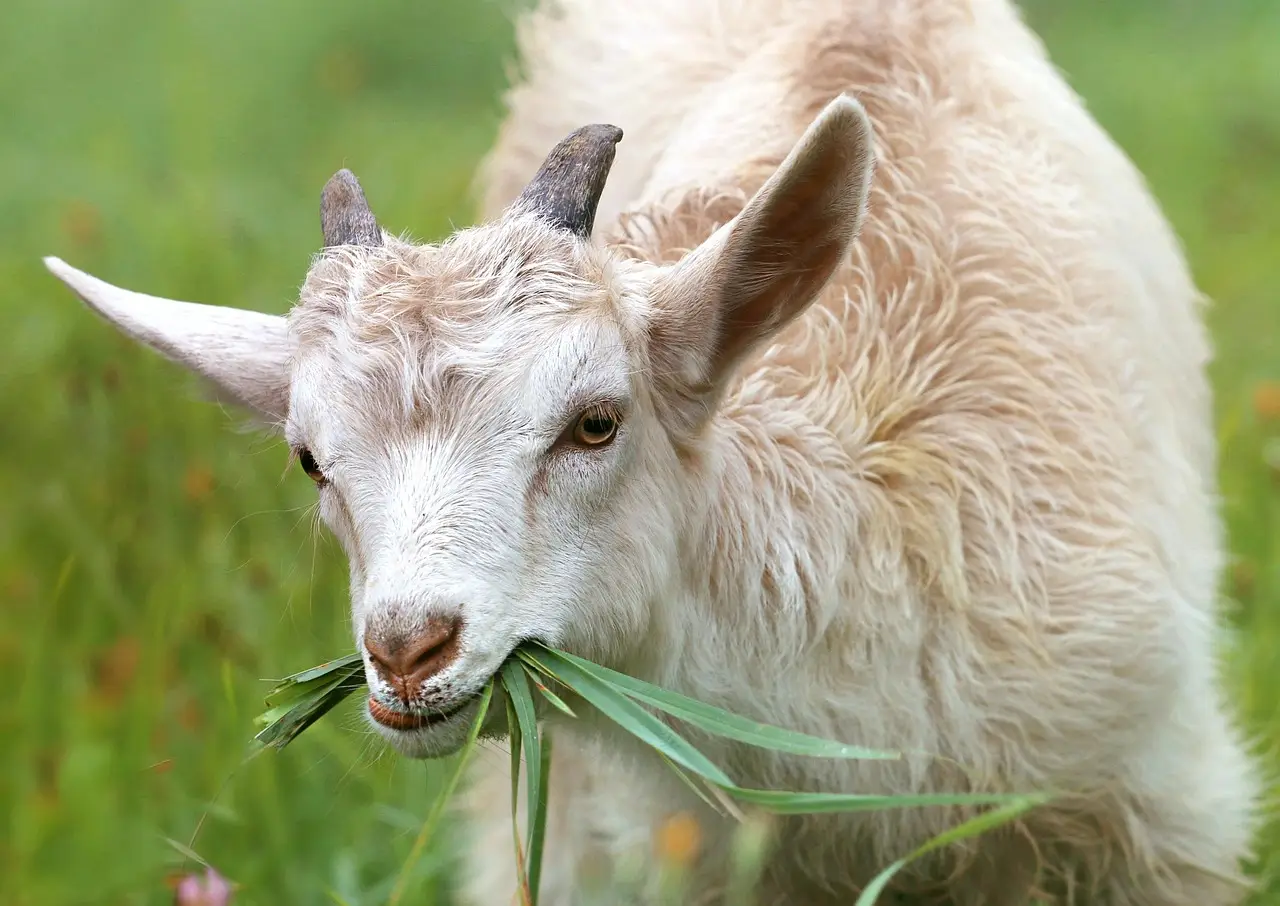
Photo: mariya_m / pixabay
Feed innovation has been positioned as the key lever for sustainable livestock health, according to a report published by avinews.com, a poultry-industry trade outlet — a framing that puts ration design, feed additives and ingredient sourcing at the center of the conversation about how producers will keep animals productive under tightening sustainability expectations.
The report's core claim is narrow but consequential for food-animal practice: the feed ration, long treated as a cost line, is increasingly described as a health-management tool in its own right. No drug, vaccine or regulatory action appears in the source material. The story is about nutrition and feed technology as the operating frontier for livestock health programs.
What does the framing mean for producers?
Avinews.com presents feed innovation not as a single product but as a category of interventions — the ongoing reformulation and technological upgrading of what livestock eat — and argues that this category determines whether livestock systems can remain healthy at scale while meeting sustainability demands.
For food-animal veterinarians and nutritionists, the positioning carries practical weight:
- Ration decisions sit alongside vaccination and biosecurity as health interventions, not merely production inputs.
- Sustainability pressure — from buyers, regulators and retailers — now reaches the feed bunk, where ingredient choices carry both health and environmental consequences.
- Poultry operations, avinews.com's primary audience, face the most immediate version of this calculus, given feed's dominant share of production cost in that sector.
How firm is the evidence base?
The source material available for this report consists of the headline and framing only. The full avinews.com article was not retrievable through the syndicated feed, so specific study data, sample sizes, named products, companies or quoted executives cannot be verified here and are not restated. Veterinarians weighing feed-based health strategies should treat the claim as an industry position — advanced by a trade publication serving the poultry sector — rather than as findings from a peer-reviewed trial.
That distinction matters at the exam table and in the barn. A positioning piece signals where investment and product development are heading; it does not itself establish efficacy. Where feed additives claim health effects, practitioners should still ask for the underlying trial data, the species studied and the regulatory status of any ingredient-level claim before recommending a change to a client's ration.
Why the feed-health link draws attention now
The argument that feed innovation anchors sustainable livestock health tracks a broader industry shift. As antimicrobial use in production animals faces continuing restriction in major markets, nutrition-based strategies — from additive reformulation to precision feeding — have drawn investment as partial substitutes for tools producers are losing. Avinews.com's framing reflects that momentum without, in the available material, citing specific products or trial outcomes.
For companion-animal practice, the story carries no direct implication; its scope is livestock, with poultry the implied center of gravity. For public health, the relevance is indirect but real: healthier animals on better-designed rations can reduce the need for antimicrobial intervention, which is one pathway by which feed strategy connects to antimicrobial-resistance concerns.
What to watch next
Producers and practitioners evaluating this trend should watch for concrete product approvals, published trial results and ingredient claims with defined regulatory standing — the details that would convert an industry position into an evidence-based feeding recommendation.
Source: Google News: Livestock health
Nathan Brooks
Show full bio
Senior reporter covering companies, deals and strategy in Small- and large-animal clinical practice at The Vet Scope.
Related articles
UK Government Confirms Work on Livestock Vaccine Strategy
AVMA Panel Calls for Overhaul of Animal Health for 21st Century
Dairy Farmers Turn to Nutrition Tools for Efficiency and Health Gains
FAO Puts a Price on Antimicrobial Choices in Livestock
Vaccines as a Route to Cutting Livestock Antimicrobial Use