SHIC Funding Expands Swine Disease Surveillance Network
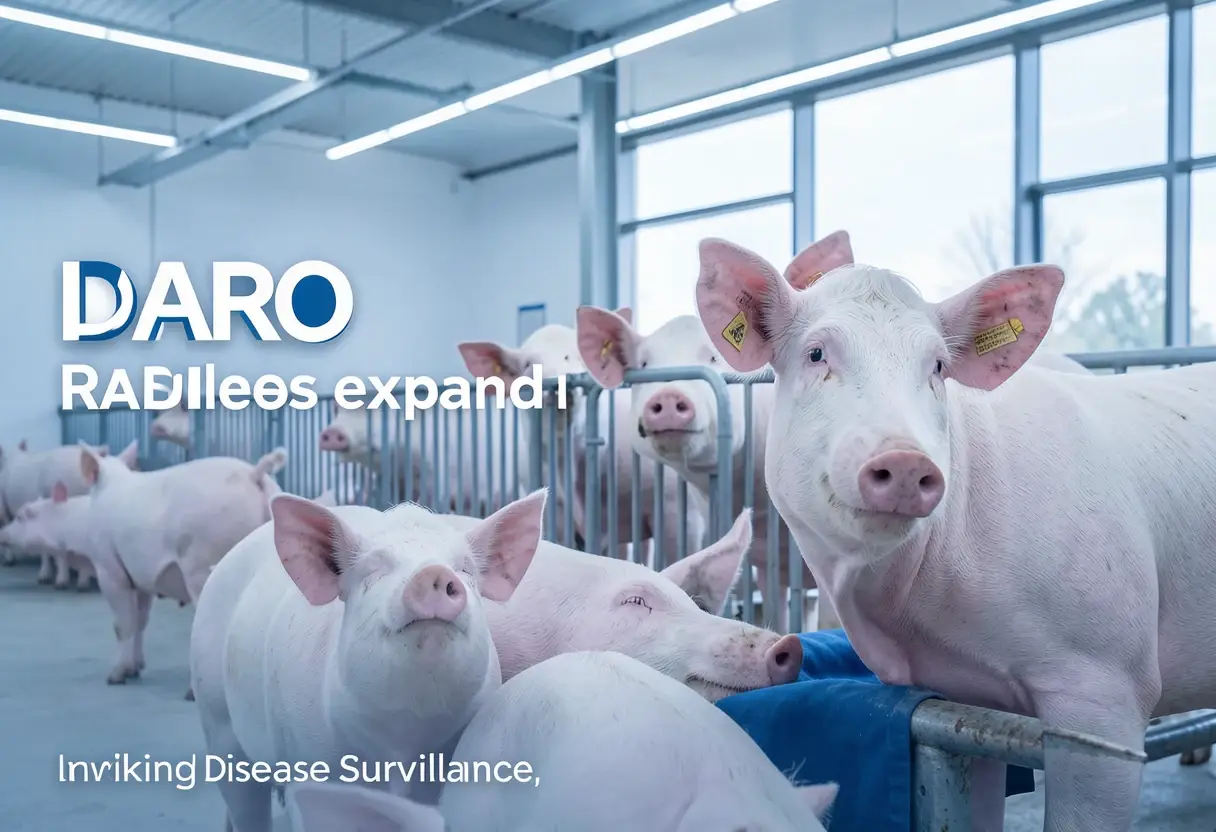
A SHIC-funded project is expanding the U.S. swine disease surveillance network, broadening diagnostic coverage to speed early detection of emerging pathogens in the national herd.
Updated
Photo: Jacob Gottlieb Thelot / The Met · CC0
The Swine Health Information Center (SHIC) is funding a project that expands the swine disease surveillance network, according to a report published by National Hog Farmer.
SHIC, an industry-funded body created to protect the health of the U.S. swine herd, channels grant money toward diagnostic monitoring and early detection of emerging pathogens. The newly reported project extends that surveillance infrastructure to additional participants and sample streams, giving practitioners and producers a wider view of pathogen activity across the national herd.
The announcement, carried by National Hog Farmer, does not yet list every participating site or the pathogens placed under new monitoring. What the project does establish, however, is a broader reporting footprint: more diagnostic submissions feeding into a shared surveillance picture that veterinarians in the field can consult when unusual clinical signs appear in a barn.
Surveillance networks of this kind work by aggregating diagnostic laboratory results, summarizing them, and returning actionable summaries to producers and practitioners. For a swine veterinarian, the practical effect arrives at the barn door. When a grow-finish site shows coughing, mortality creep, or nursery scours that do not fit the usual pattern, an expanded network increases the odds that a similar signal has already been captured elsewhere and flagged.
For producers, the economics are straightforward. Earlier detection of an emerging pathogen shortens the window between first clinical signs and a coordinated response, whether that response is targeted sampling, biosecurity tightening, or regional communication. Every day cut from that window reduces the number of animals exposed before the industry knows what it is dealing with.
The public-health dimension matters as well. Several swine pathogens — most notably influenza A viruses — carry zoonotic potential, and surveillance networks that identify circulating strains faster give both animal-health and human-health authorities more time to assess risk. The SHIC-funded project sits squarely in that companion framework of food-animal production security and pandemic preparedness.
What does the expansion change for practitioners?
For veterinarians in swine practice, the immediate change is visibility. An expanded surveillance network means:
- broader geographic coverage of diagnostic data;
- faster recognition of regional pathogen trends;
- earlier signals on emerging or re-emerging disease agents.
Producers and their veterinarians who want to track the network's output can follow SHIC's published surveillance summaries, which aggregate diagnostic findings into monthly snapshots of domestic and global swine health.
Why SHIC keeps funding surveillance
SHIC was established with checkoff dollars after the porcine epidemic diarrhea virus (PEDV) outbreak of 2013 exposed how little coordinated monitoring existed for emerging swine pathogens. Since then, the center has funded a steady stream of diagnostic, epidemiologic, and communications projects aimed at closing that gap. This latest expansion continues that pattern: more data, gathered from more sites, delivered to the people who make health decisions in the barn.
National Hog Farmer's report signals that the network's growth is underway, with further detail on participants, pathogens under watch, and reporting cadence expected as the project matures. Producers and practitioners watching for the next emerging threat will find the expanded network one more tool in a surveillance system built to catch it early.
Source: Google News: Livestock health
Nathan Brooks
Show full bio
Senior reporter covering companies, deals and strategy in Small- and large-animal clinical practice at The Vet Scope.