New World Screwworm Advance in Mexico Puts Texas Producers on Alert
Texas livestock producers are on alert as New World screwworm spreads north through Mexico, moving the wound-infesting parasite closer to U.S. herds and trade lanes.
Updated
Photo: NakNakNak / pixabay
Texas livestock producers are being urged to stay alert as New World screwworm continues to spread north through Mexico, moving the parasite progressively closer to the U.S. border.
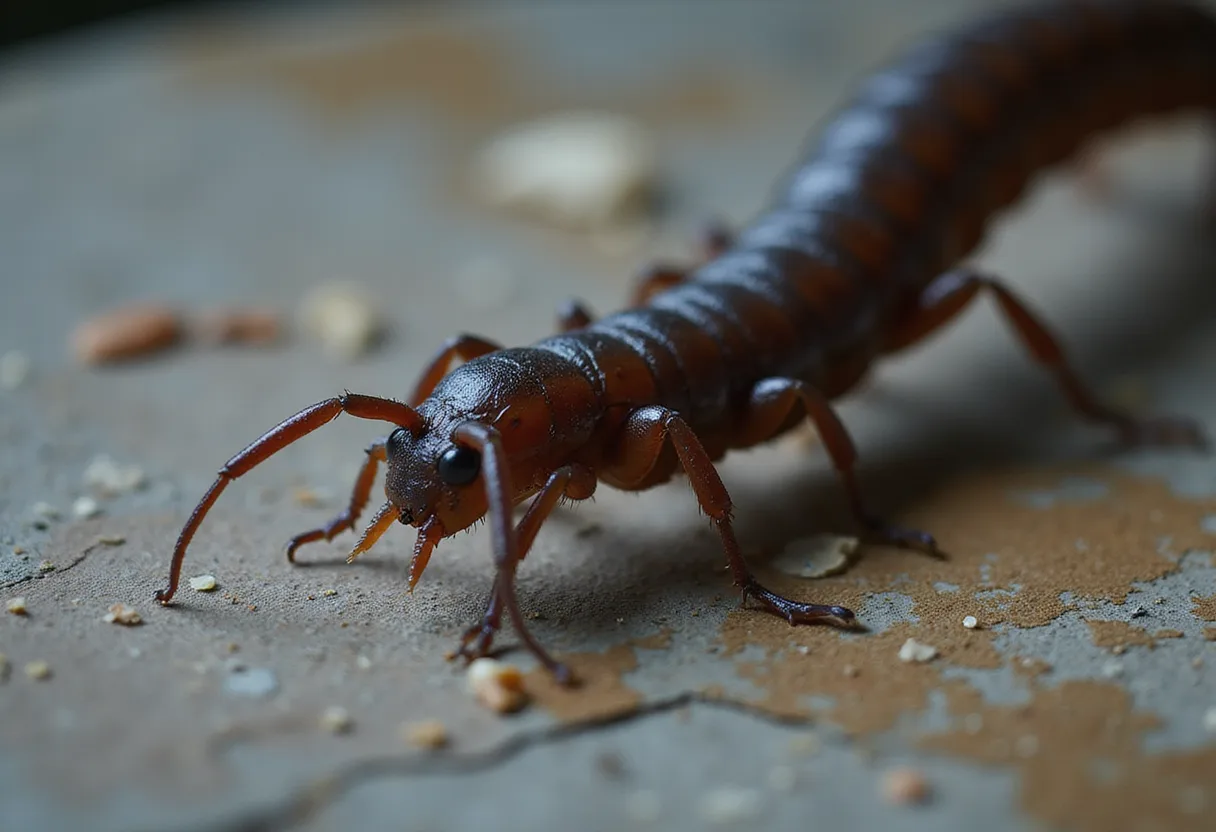
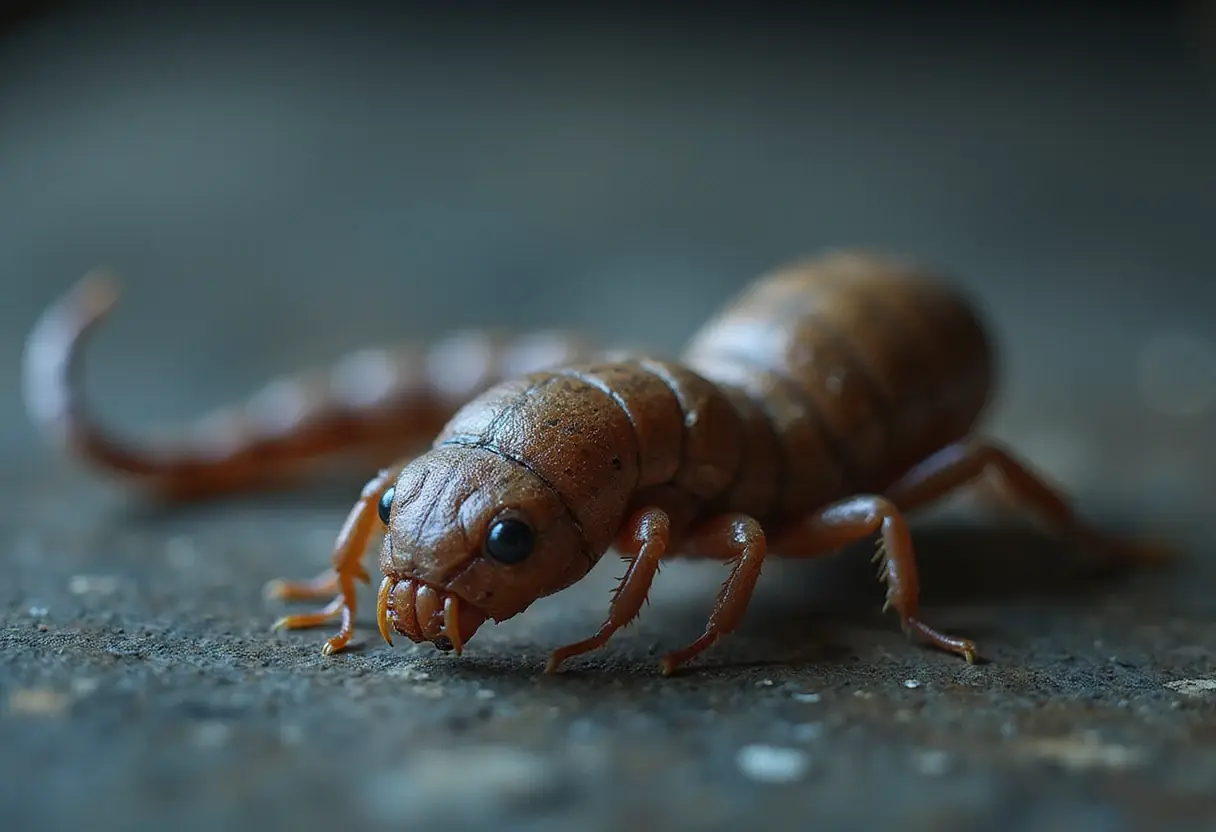
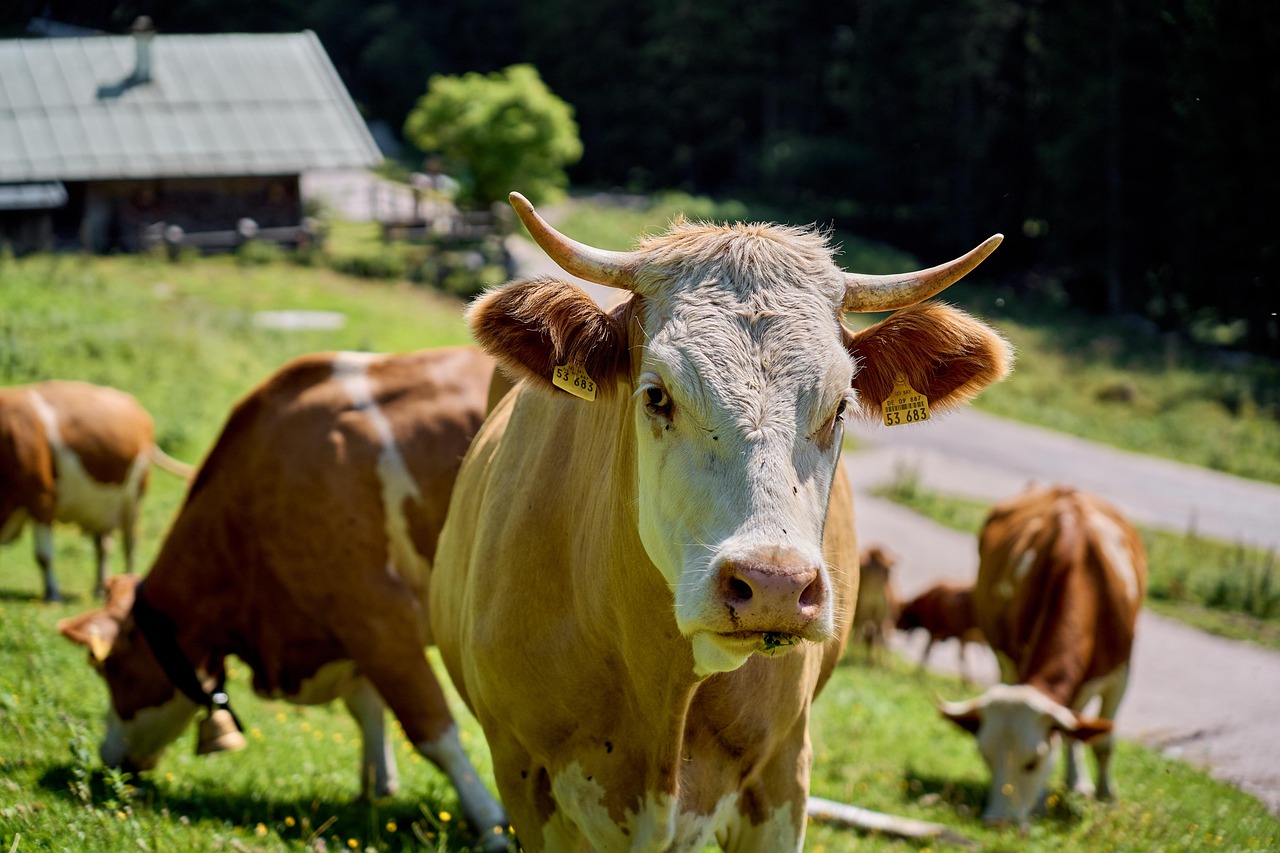
The warning, reported by Brownfield Ag News, comes as the fly-borne pest extends its range across Mexican territory. For Texas cattle operations, the concern is direct: screwworm larvae infest open wounds in living mammals, and cattle with branding injuries, castration sites, or tick bites are among the most vulnerable animals in a herd.
Why the northern spread matters now
New World screwworm was eradicated from the United States decades ago through the sterile insect technique, in which irradiated male flies are released to collapse the reproductive cycle. That program pushed the parasite out of U.S. territory and, for years, kept it confined to remote areas of South America and the Caribbean.
Its return to Central America and now its movement through Mexico mark a reversal of that decades-long containment. Each northward advance shortens the geographic buffer between established screwworm populations and Texas herds, which represent a significant share of the U.S. cattle inventory.
What should producers watch for?
The advisory to Texas producers centers on vigilance rather than alarm. Key practical points for operations:
- Inspect livestock regularly for wounds, including minor injuries that can serve as entry points for screwworm larvae.
- Treat any open wounds promptly with appropriate larvicidal products.
- Report suspected screwworm infestations immediately to state or federal animal health authorities.
- Monitor movement records and sourcing for animals transported from affected regions.
Early detection is the operative principle. Screwworm myiasis can kill an animal if larvae go untreated, and a single confirmed U.S. case would trigger a regulatory response from veterinary agencies.
Species and trade implications
The food-animal implications lead the concern. Cattle are the primary economic target, but New World screwworm infests all warm-blooded animals, including wildlife, horses, and companion animals such as dogs. A U.S. re-establishment would therefore carry public-health and companion-animal consequences alongside livestock losses.
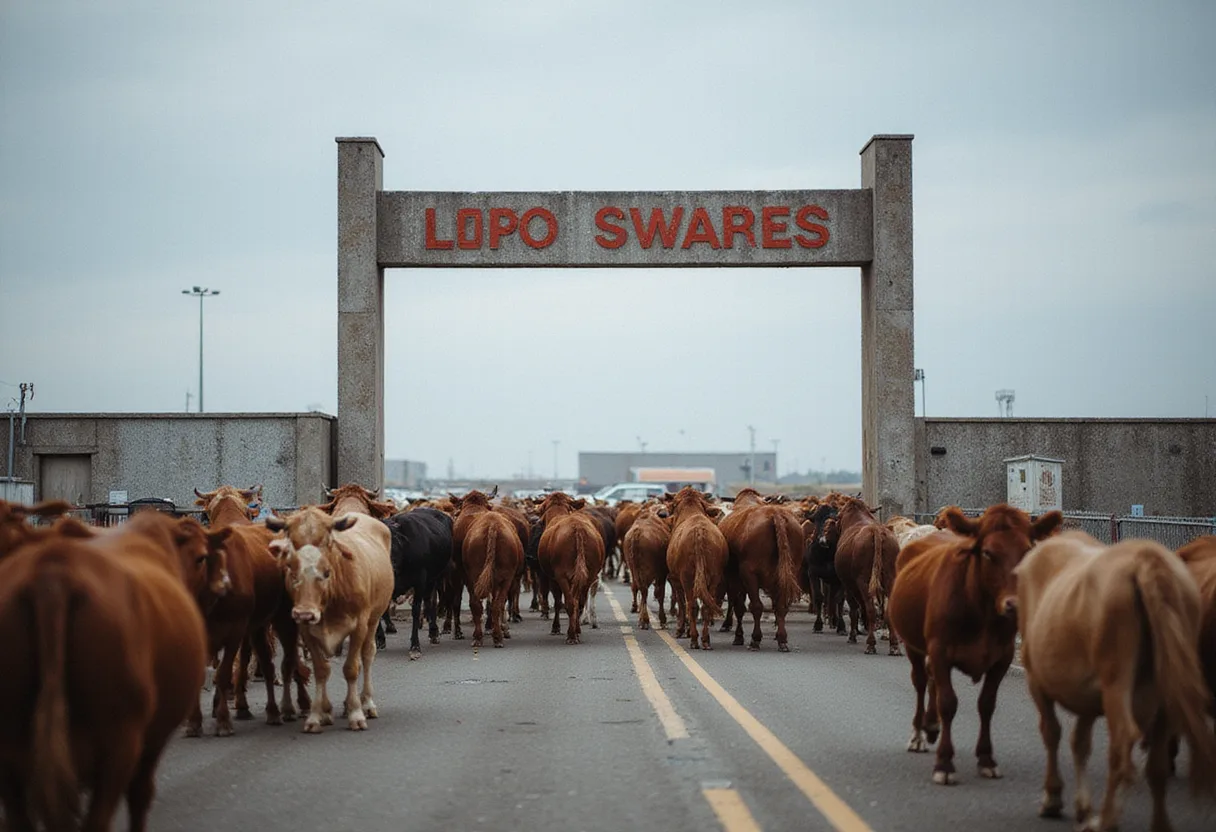
The trade dimension is equally concrete. When screwworm was detected in Central America in 2023, U.S. authorities suspended imports of live cattle from Mexico. Any further northward movement toward border states keeps that restriction logic alive and raises the prospect of renewed or expanded trade barriers — a direct hit to supply chains that move Mexican feeder cattle into U.S. feedyards.
The containment question
Eradication infrastructure still exists. The sterile fly production capacity that cleared the parasite from North America once remains the proven response tool, and cross-border cooperation has historically anchored containment at the Isthmus of Panama.
The current spread through Mexico tests whether that framework holds. Producers in Texas and other border states will be watching animal health agencies' surveillance updates as the situation develops, with the understanding that the distance between the fly's known range and their herds continues to shrink.
Source: Google News: Livestock health
Amara Osei
Show full bio
Correspondent covering companies, deals and strategy in Small- and large-animal clinical practice at The Vet Scope.
Related articles
New World Screwworm Advances North in Mexico, Texas On Alert
New Screwworm Cases Reach New Mexico as U.S. Detections Rise
US Reopens Another Port to Mexican Cattle as Screwworm Cases Persist Nearby
New World Screwworm Case in Texas Triggers Movement Restrictions
Texas State faculty Q&A breaks down South Texas screwworm detection