USDA Nearly Eightfolds Farm Bill Animal Health Funding to $233 Million
APHIS funding for NADPRP, NAHLN and the NAVVCB vaccine bank rises from $30 million to $233 million in FY26, with $153 million for FMD countermeasures in FY27.
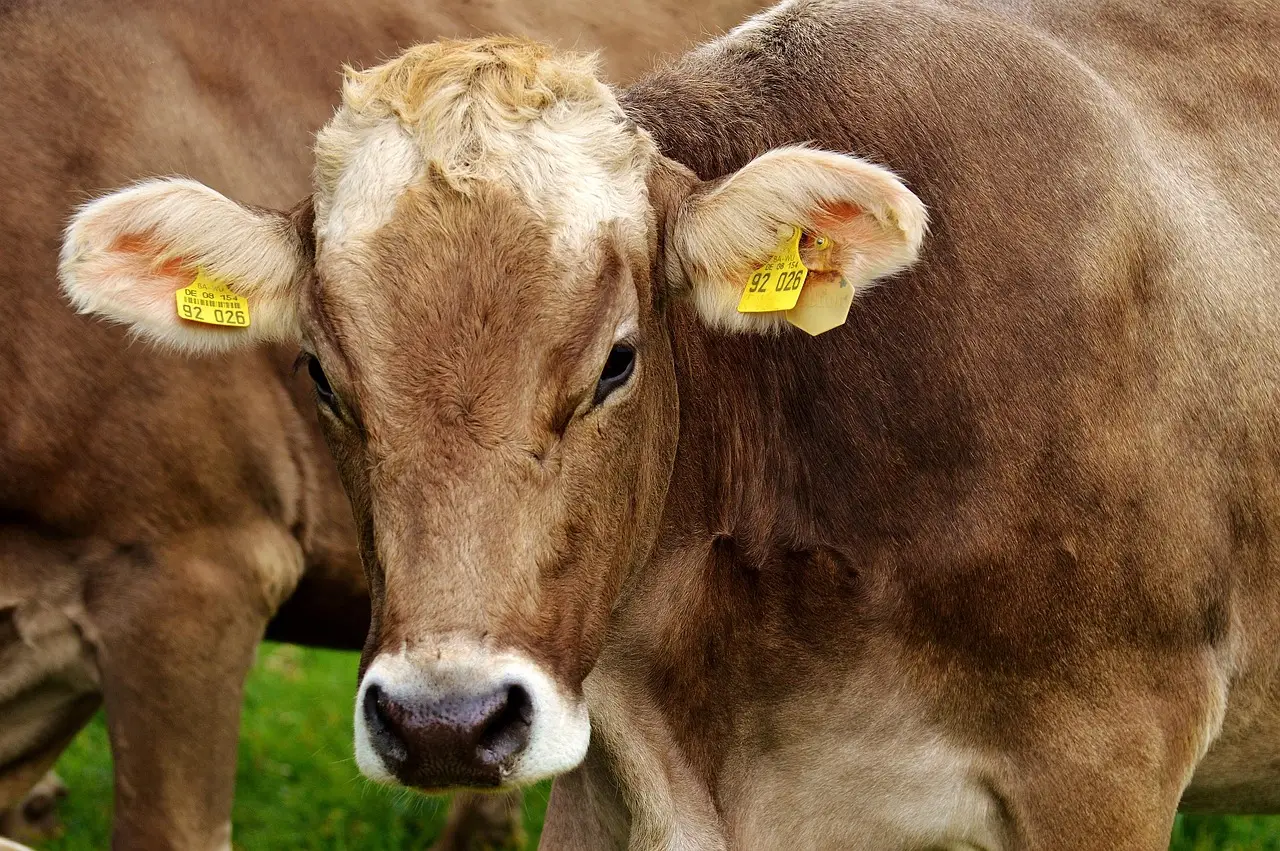
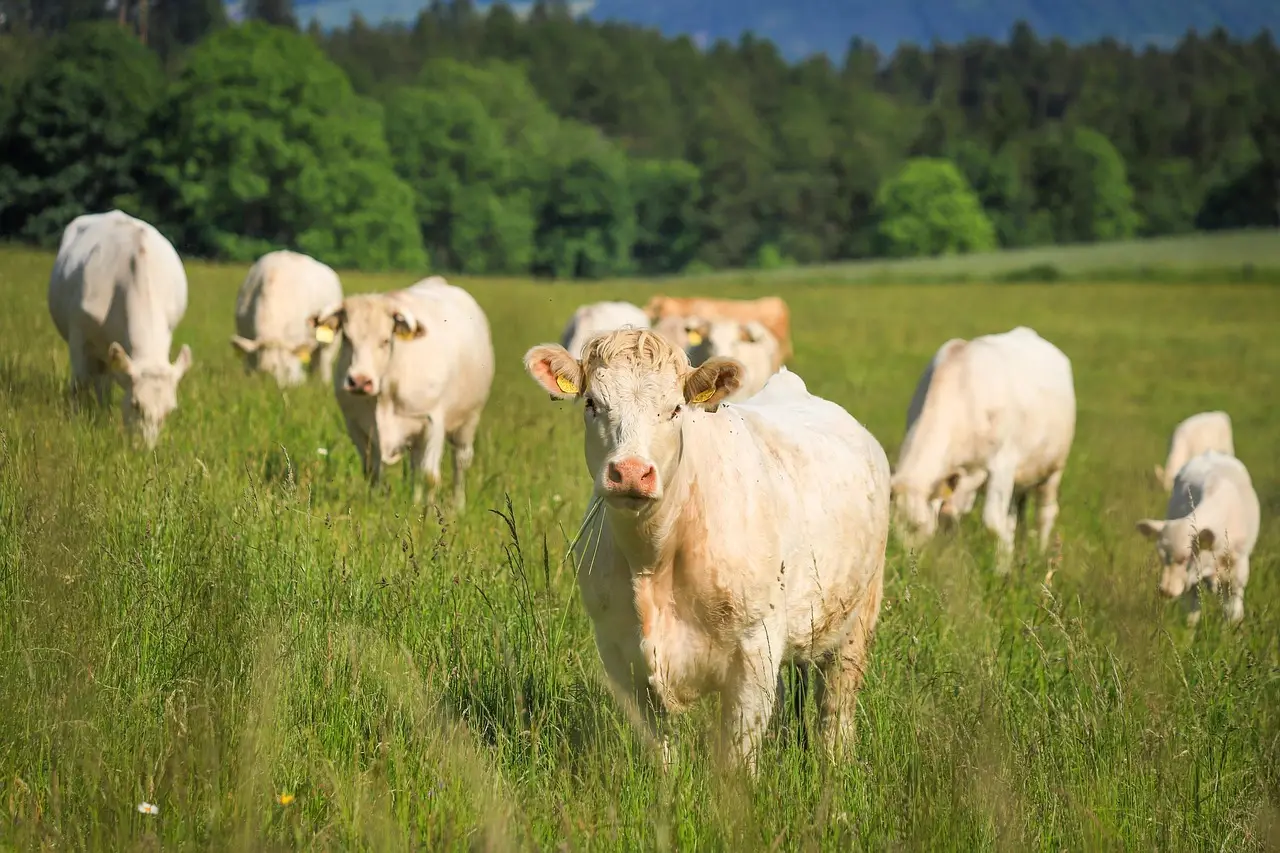
Photo: katerinavulcova / pixabay
Annual funding for the USDA's three farm bill animal health programs will jump from $30 million to $233 million beginning in Fiscal Year 2026 — a nearly eightfold increase announced Nov. 5 by the Animal and Plant Health Inspection Service (APHIS), made possible through the 2025 Working Families Tax Cuts Act.
The increase covers the National Animal Disease Preparedness and Response Program (NADPRP), the National Animal Health Laboratory Network (NAHLN) and the National Animal Vaccine and Veterinary Countermeasures Bank (NAVVCB). For context, the new annual figure exceeds the more than $85 million APHIS has invested in the vaccine bank over the entire six years since Fiscal Year 2020.
"This historic investment gives us the tools we need to protect farmers' and ranchers' herds, their livelihoods and the rural communities they sustain," USDA Under Secretary Dudley Hoskins said. "Farm security is national security, and with this increased funding, we are strengthening early disease detection, expanding vaccine and diagnostic stockpiles and backing practical, on-the-ground projects to help producers prepare for and respond to the most serious animal disease threats."
He added: "These programs are about keeping animals healthy, protecting producer livelihoods and keeping American agriculture strong."
What does the money buy?
The three programs target distinct pieces of the foreign animal disease response chain — preparedness projects, laboratory detection and vaccine stockpiling — with implications for food-animal producers and, through food security, the public.
NADPRP funds federal, state, Tribal and industry projects against high-consequence diseases: New World screwworm, highly pathogenic avian influenza, African swine fever and foot-and-mouth disease (FMD). It also covers emerging threats such as the Asian longhorned tick and Theileria orientalis Ikeda, the parasite it transmits, which causes a severe and currently untreatable cattle disease.
APHIS is implementing a combined FY26–FY27 NADPRP spending plan. Its components:
- Up to $80 million through two FY27 competitive funding opportunities — $40 million for state and regional preparedness capacity, and $40 million for producer and industry readiness. Both opened Nov. 5 and close Jan. 7, 2027, with selected projects starting spring 2027.
- $15 million to continue ongoing projects.
- $15 million for ad hoc preparedness needs.
- $20 million for APHIS-led initiatives addressing critical gaps in animal disease response.
Applicant instructions and funding priorities are posted at aphis.usda.gov/funding/nadprp.
NAHLN, the coordinated network of federal, state and university-associated laboratories that provides rapid diagnostic testing for foreign and endemic high-consequence diseases, received $10 million in noncompetitive FY26 funding. APHIS will award another $10 million in FY27 for operational support, ensuring the network has the personnel and resources for early detection, rapid response and recovery.
NAVVCB stockpiles vaccines and veterinary countermeasures for high-consequence foreign animal diseases, with FMD the central case — APHIS describes the stockpile as essential insurance against an FMD outbreak. The bank will expand purchases significantly in FY27: more than $153 million in new investments for FMD vaccine antigen concentrate, diagnostic test kits and other countermeasures.
Why it matters at the herd level
The timing reflects pressure from active threats. Highly pathogenic avian influenza and New World screwworm are named program targets, and the Asian longhorned tick's spread of Theileria orientalis Ikeda gives cattle veterinarians in affected regions a disease with no treatment — leaving prevention and preparedness spending as the main tools. State veterinarians, university diagnostic labs and producer groups are the direct applicants for the two $40 million FY27 funding windows, and lab-side funding translates to testing throughput during outbreaks.
The scale of the shift is the story: a program suite funded at $30 million a year now commands $233 million, with the vaccine bank's FY27 purchases alone exceeding the entire former annual budget of all three programs combined. Applications for both NADPRP opportunities close Jan. 7, 2027, and the first awards begin the following spring.
Source: wylr.net
Amara Osei
Show full bio
Correspondent covering companies, deals and strategy in Small- and large-animal clinical practice at The Vet Scope.