Michigan Milk Component Growth Driven by Fat Concentration, Not Cow Numbers Alone
An MSU Extension analysis of 25 years of USDA NASS data finds rising fat concentration, not herd growth, drove Michigan's milk component gains since 2001.
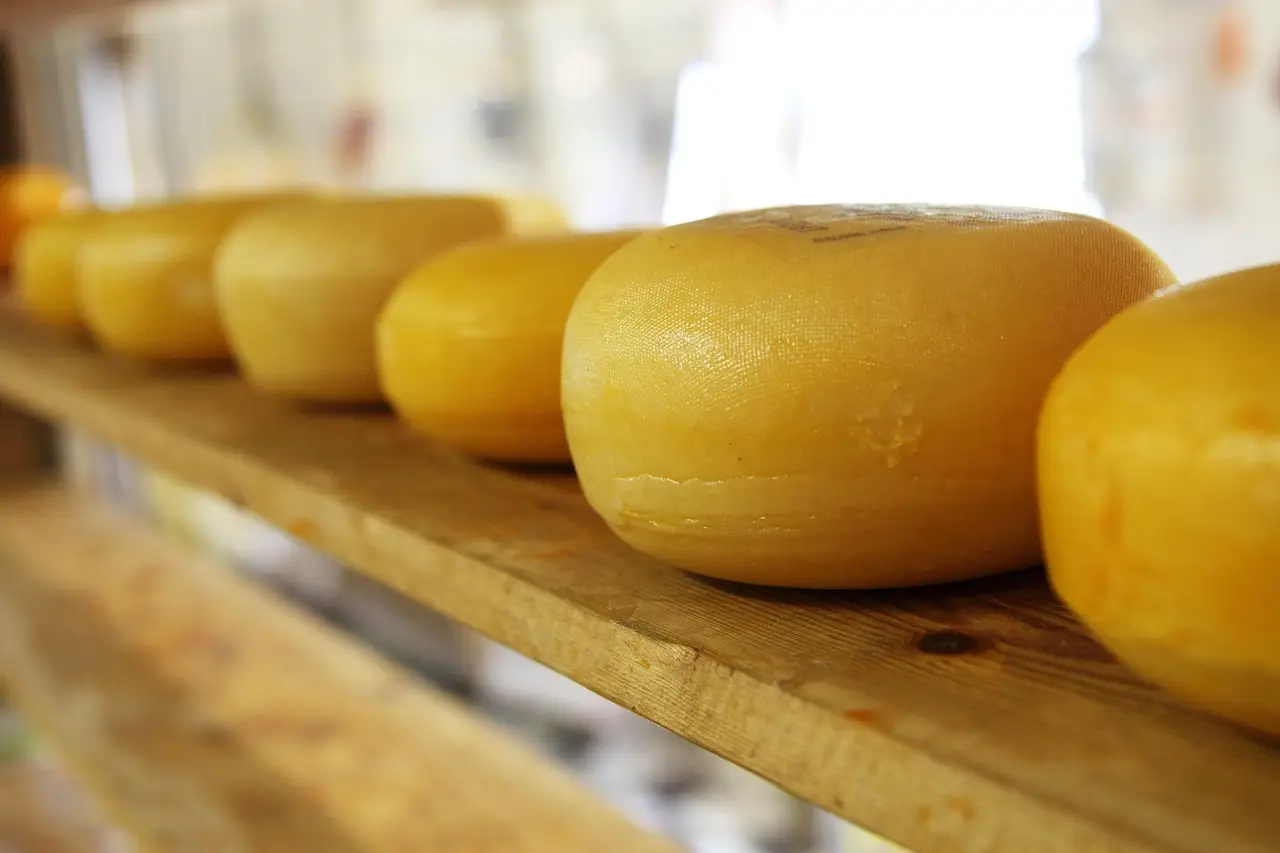
Photo: Kevinsphotos / pixabay
Michigan's dairy sector has drawn more than a billion dollars in processing capacity investment even as the number of dairy farms in the state and nationwide has declined over the same period. A Michigan State University Extension retrospective analysis of 25 years of production data set out to answer the resulting question: where is the additional supply of milk fat and protein actually coming from?
The answer, for the past quarter century, is primarily individual cow performance — higher milk yield per cow and rising component concentrations — rather than herd expansion alone.
What did the analysis examine?
The research team — Barry Bradford, Ghayyoor Ahmad, Jessica Duran, Katie McCarthy and Paiton McDonald — evaluated three primary drivers of total milk component production: the number of cows, milk yield per cow, and component concentrations in milk.
Protein yield data came from the Council on Dairy Cattle Breeding. Cow numbers, milk yield and fat yield were sourced from the U.S. Department of Agriculture, National Agricultural Statistics Service (USDA NASS). The researchers estimated annual changes in fat and protein yield attributable to each factor by comparing every year against a baseline of 2001.
Total milk production in Michigan has increased consistently over the past 20 years to meet growing demand, as reported in the Spartan Dairy Newsletter's coverage of dairy processing investment.
What drove fat yield versus protein yield?
The two major components followed different paths.
- Fat yield: Increases in fat concentration and higher milk volume consistently drove improvements over 25 years. Increasing cow numbers began contributing around 2006, but changes in fat concentration remained the dominant factor throughout.
- Protein yield: Increased milk volume was the primary contributor early in the period. Beginning in 2006, cow numbers became a major driver. Changes in protein concentration contributed little to protein supply growth over the full 25 years, though a modest improvement appeared in the past decade.
Cow numbers and milk volume contributed similarly to fat and protein yield growth across the period. In the last five years, the analysis found a shift: increasing component concentrations became a larger contributor, especially for fat.
Why did these changes happen?
Improvements in genetics and feeding practices likely drove the gains, the authors reported.
Genetic selection has played a measurable role. Selecting bulls for higher fat and protein production has helped farmers breed cows that produce more milk components, and genomic testing now makes it possible to identify these animals at a younger age.
Feeding advances contributed as well. Balancing forage fiber and starch keeps the rumen healthy and helps prevent low milk fat concentration, while certain fat supplements can increase milk fat yield. Providing enough energy and protein supports milk protein production.
There is a hard biological limit, however: milk protein concentration is much harder to change through feeding or genetics than milk fat concentration. Milk prices that reward fat and protein give farmers a financial reason to pursue these improvements.
What are the implications for future protein supply?
The authors pose a forward question: as demand for protein increases, will protein concentration become the primary source of additional protein supply?
Based on current understanding of milk protein synthesis, they conclude this is unlikely. Meeting the growing milk protein demand from health-conscious consumers will likely depend on more cows and greater milk volume per cow — a projection with direct implications for herd expansion decisions, processor capacity planning and feed demand across the state.
The analysis was completed through the Evidence-Based Dairy Management Program at Michigan State University Extension, which aims to help Michigan dairy producers make better on-farm decisions by digging deeper into their own data.
The bottom line for producers: component concentration gains have carried fat yield for two decades, but future protein supply growth will likely require more cows and more milk per cow.
Source: morningagclips.com
Daniel Okafor
Show full bio
News editor covering technology and product news in Small- and large-animal clinical practice at The Vet Scope.
Related articles
Dairy Farmers Turn to Nutrition Tools for Efficiency and Health Gains
95% of Dairy Farms Did Not Expand Herds Because of Digesters
Jersey Milk Packs 23% More Saturated Fat Than Holstein-Friesian
First-Calving Body Weight Tracks Through to Milk Yield and Culling
High-Oleic Soybean Meal Tested Against Milk Fat Depression in Dairy Cows