Tight cattle supply should keep prices strong through 2027, economist tells Wyoming producers
Economist Tyler Cozzens told Wyoming beef producers on Nov. 17 that tight supplies should keep cattle prices high through 2027 despite marginally higher inventories.
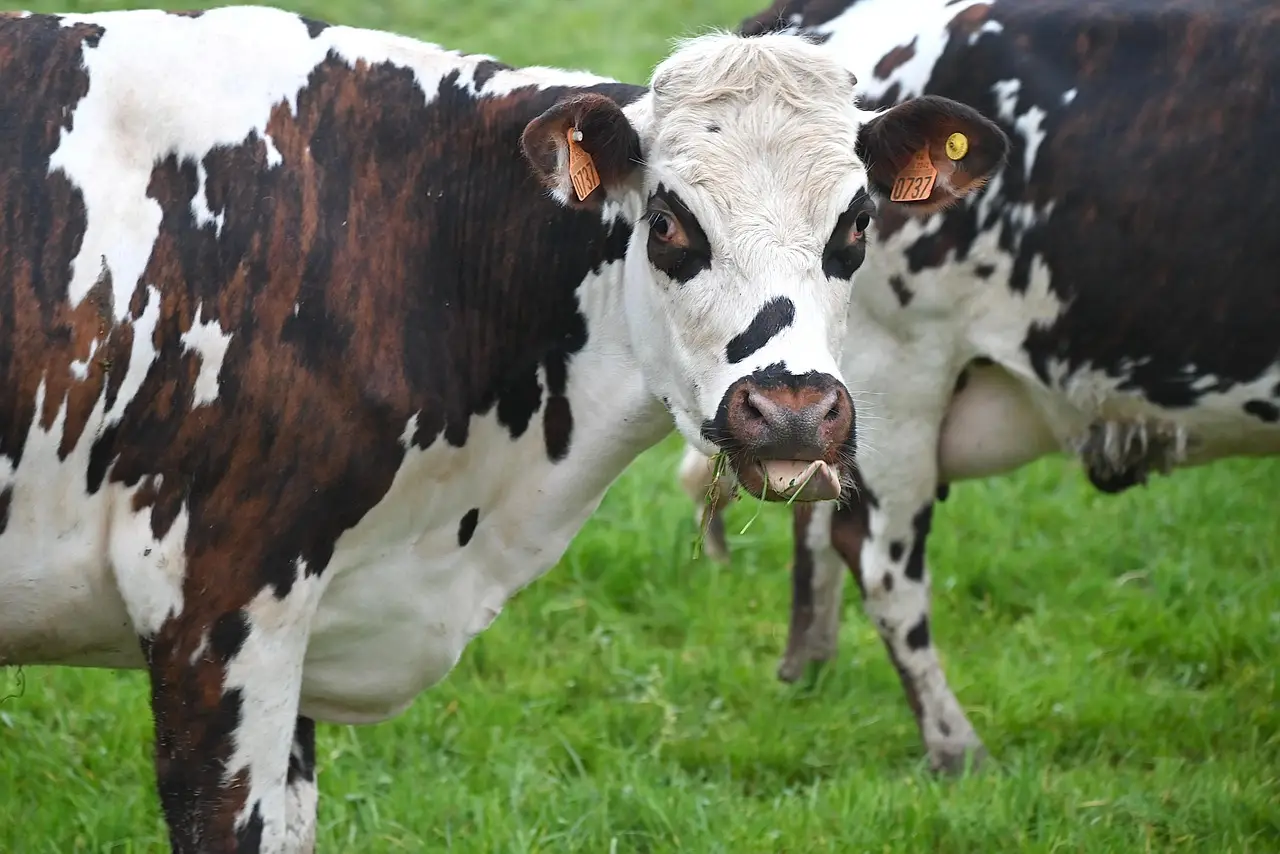
Photo: RonBerg / pixabay
Cattle prices should remain generally strong through 2027 because herd inventories will rise only marginally while supplies stay tight. That forecast came from Tyler Cozzens, director and agricultural economist at the Livestock Marketing Information Center, speaking on Nov. 17 at the 2026 Southeast Wyoming Beef Symposium and Trade Show in Lusk, Wyoming.
"If economic theory holds, when supply gets tight, prices go higher," Cozzens said. "Supplies are still tight, and it's my expectation prices will remain high through 2027."
The University of Wyoming Extension hosted the event at the Niobrara County Fairgrounds. Producers and industry partners from across Wyoming and western Nebraska attended a day of presentations, panels and breakout sessions, plus a trade show with vendors from around the state.
What did the morning sessions cover?
Juliet Daniels, UW Extension community vitality and health educator, opened with a presentation on agricultural succession planning. She outlined the potential challenges and practical steps involved in transferring operations to the next generation.
John Hewlett, UW ranch and farm management specialist, followed with a session on livestock risk protection and risk management practices. He offered tools and strategies producers can use to manage price risks in cattle purchasing and sale decisions.
Cozzens closed the morning with a cattle market update. His comments focused on key supply considerations, global trade conditions and changing price dynamics, along with domestic and international demand factors affecting cattle producers.
The takeaway: risk management tools and succession planning are now standing agenda items for Wyoming producers, not optional extras.
Which herd-level topics shaped the afternoon?
A lunch panel featuring John Hewlett, Doug Stark of the UW Ranch Management and Agricultural Leadership Program, and Niobrara County rancher Matt Dockery discussed mentoring the next generation to protect agriculture's future.
Dr. Shelby Rosasco, UW assistant professor and beef extension specialist, and Brian Lee of First National Bank in Torrington then addressed the economics of pregnancy diagnosis in the cow herd. Lee covered economic factors tied to pregnancy checking that may influence decisions about retaining or selling cows. Rosasco reviewed the available testing methods and their potential benefits to an operation.
Rosasco returned later with nutritional strategies to optimize cow fertility. Wyoming State Veterinarian Dr. Hallie Hasel delivered a pest management update on New World screwworm, the parasite whose reemergence in the Americas has kept food-animal veterinarians on alert.
Niobrara County Weed and Pest Supervisor Sarah Wojtas closed the program with a discussion of weed management issues affecting local producers, followed by a question-and-answer panel with the day's presenters.
The takeaway: pregnancy diagnosis economics and cow fertility nutrition gave attendees directly applicable herd management guidance.
How did the program take shape?
UW Extension personnel from across the state organized the symposium, including Jedidiah Hewlett, an Extension agriculture and natural resources educator serving Converse County. Themes came from a needs assessment survey conducted throughout Niobrara County, in which local ranchers identified the topics most important to their operations.
The first symposium was held in 2024. Jedidiah Hewlett said the goal is to hold the event every other year in rotating counties so multiple communities benefit from the education.
Niobrara County rancher Ronda Pfister called the symposium a great learning opportunity and singled out succession planning and mentorship as topics of particular interest. "I think it's important for ranchers to continually educate ourselves on what's going on in our industry," she said. "This was a great group of speakers and topics."
The takeaway: a producer-driven needs assessment, not a top-down agenda, determined the program.
For practitioners and advisers serving cow-calf operations in the region, the event signals where producer attention is heading: reproductive economics, fertility nutrition and biosecurity threats such as New World screwworm. The next edition of the symposium is expected in a different Wyoming county in 2028, per the rotating schedule.
Source: wylr.net
Daniel Okafor
Show full bio
News editor covering technology and product news in Small- and large-animal clinical practice at The Vet Scope.