Emerson Farms Wins 2026 Delaware Environmental Stewardship Award
Emerson Farms, a fifth-generation Middletown dairy milking 180 cows, won Delaware's 2026 Environmental Stewardship Award on Nov. 4 with manure injection and strip tillage.
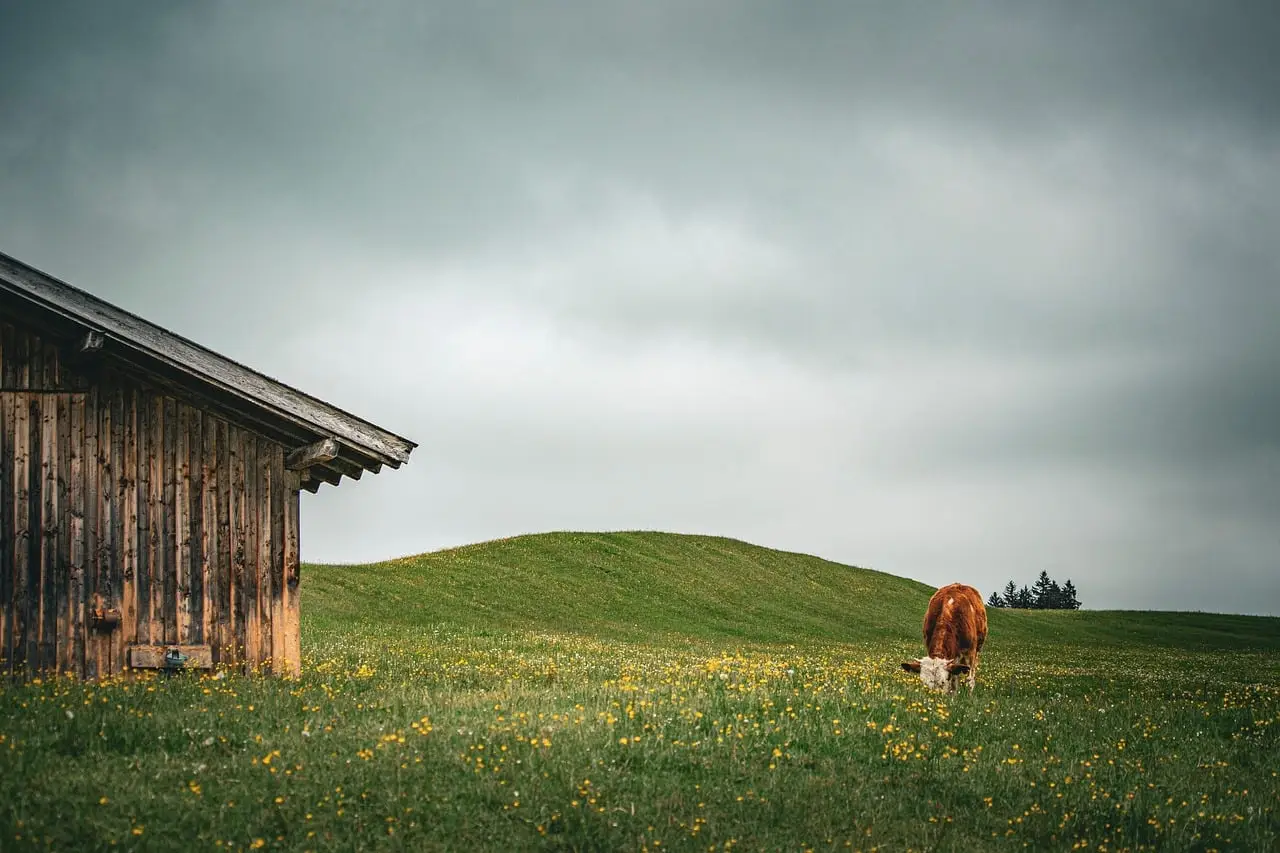
Photo: Portraits of Modern Dairy / unsplash
A fifth-generation Middletown dairy that milks approximately 180 cows daily has won Delaware's 2026 Environmental Stewardship Award, presented ahead of the Delaware Nutrient Management Commission meeting on Wednesday, Nov. 4, in Dover.
Emerson Farms, established in the early 1940s and operated by Robert and Sarah Emerson, their son Lee and grandson Robbie, received $1,000, a recognition plaque and a lane sign. The award honors the dairy's environmental practices. For practitioners and producers, the winning formula is concrete rather than conceptual.
What practices earned the win?
The farm's management list reads like a nutrient-management checklist:
- injected manure application;
- strip tillage that reduces purchased fertilizer;
- fenced ditches and waterways;
- a recently built dyked and enclosed chemical mixing and storage building.
Animal health also factored into the recognition. The farm uses RFID ear tags, which the award announcement credits with helping monitor milk production and quality of life. That is a small technology with a direct exam-table parallel: identification systems that track production data now support both herd performance and welfare documentation.
Beyond the barn, Emerson Farms engages the community through 4-H meetings, local high school visits and University of Delaware honors classes, and it leases animals for students to show. The takeaway: winning operations pair conservation infrastructure with public visibility.
Who runs the award, and how was the decision made?
The Delaware Environmental Stewardship Award is a collaborative initiative of the Delaware Nutrient Management Commission (DNMC) together with grain producers, poultry companies, turf management professionals and various agribusiness organizations. The program recognizes farmers, nutrient handlers and industry leaders who prioritize environmental stewardship as a core principle.
The Commission has sponsored these awards for more than 15 years. This year's category was dairy operations, and the Commission plans to rotate categories among commodity crop and animal operations to recognize all facets of Delaware agriculture.
A six-person panel of industry professionals selected Emerson Farms from a group of three finalists. Nutrient Management Program Administrator Brooke Walls said: "Delaware farmers are top stewards of their land and take pride in their efforts to protect soil and water quality." She added: "We congratulate Emerson Farms on this honor, as well as its fellow finalists. The First State's agricultural community continues to make a difference every day through their best management practices."
All finalists receive a recognition plaque, an Environmental Stewardship Award lane sign and a $500 prize.
Who were the other finalists?
G&S Dairy / Raw Goodness LLC (Harrington). Owned by Gregg and Stephanie Knutsen, the operation was run by Stephanie's grandfather until the 1980s. It includes 50 Holstein, Brown Swiss and Jersey cows, a renovated milking parlor and a raw milk business. Conservation practices include multi-species cover crop mixes, roofed waste storage and roof gutters. The farm also relies on recycled cooling water, an LED light system, quiet large-blade ceiling fans for animal comfort, and irrigation systems that automatically shut off during peak electric use. The Knutsens host farm tours, farm-to-fork dinners and day camps teaching children about protecting natural resources and soil health.
James and Donna Vanderwende and Sons (Bridgeville). The farm began with six cows in 1954 and now milks 285 Holsteins twice per day, along with calves and replacement heifers. Now in its third generation of family ownership, it participates in Delaware's Agricultural Lands Preservation Program. Conservation strategies on its tillable acres include precision fertilizer applications, cover crops and soil moisture sensors for irrigation management. The family's Vanderwende Farm Creamery connects the public to a working dairy and to the origins of its products.
Why the award matters to dairy practitioners
The public-health and food-animal implications are explicit. Fenced waterways, enclosed chemical storage and injected manure each reduce nutrient and chemical loss to soil and water. Cover crops and precision application cut input costs while limiting runoff. These are the same practices nutrition and herd-health consultants increasingly ask clients to document.
As the DNMC rotates award categories through Delaware's commodity and animal sectors, producers in the next rotation have a clear template: measurable conservation practices, verifiable herd monitoring and an open gate to the community.
Source: morningagclips.com
Elena Vasquez
Show full bio
Market editor covering money, funding and market shifts around Small- and large-animal clinical practice at The Vet Scope.
Related articles
Iowa Livestock Health Advisory Council Awards Research Grants
95% of Dairy Farms Did Not Expand Herds Because of Digesters
Merck and AABP recognize Masterson for cattle veterinary work
Iowa livestock manure runoff threatens drinking water, EWG reports
Dairy Farmers Turn to Nutrition Tools for Efficiency and Health Gains