California Opens $108 Million Central Valley Animal Health Laboratory
A $108 million, 44,000-square-foot CAHFS lab in Turlock adds livestock necropsy and molecular testing, nearly doubling staff serving a $3.5 billion regional industry.
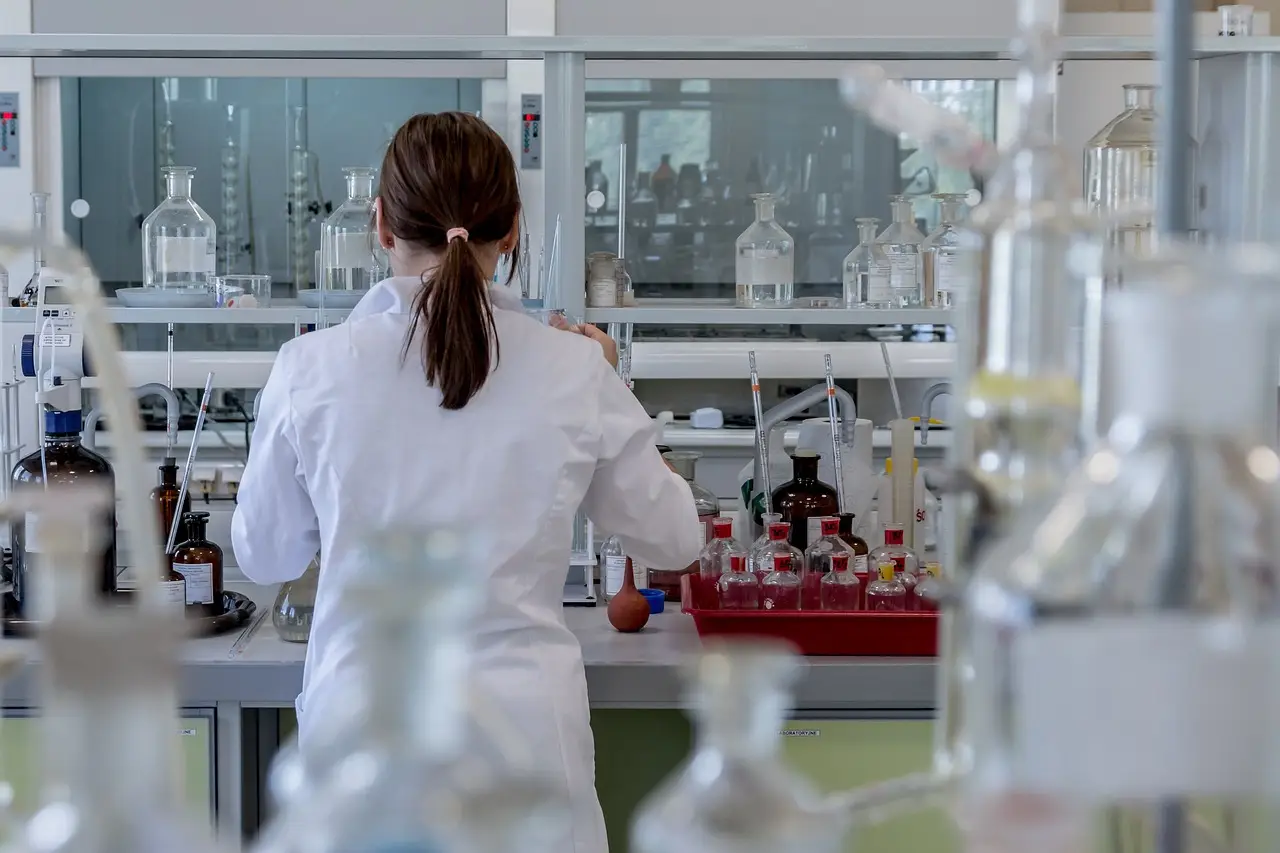
Photo: jarmoluk / pixabay
A new $108 million animal health and food safety laboratory opened in Turlock, California, giving Central Valley ranchers and veterinarians local necropsy and diagnostic access for cattle, horses, pigs and goats for the first time. The facility is nearly nine times larger than the building it replaces.
The University of California, Davis, School of Veterinary Medicine operates the lab in partnership with the California Department of Food and Agriculture (CDFA). It joins the California Animal Health and Food Safety Laboratory System (CAHFS), a network of four laboratories headquartered at UC Davis and run by the veterinary school for the state.
The veterinary school dedicated the lab on Friday as the Arthur A. Bickford-Bruce R. Charlton Turlock Branch Laboratory, honoring two leaders in poultry disease diagnostics.
What changes for ranchers and veterinarians?
The previous Turlock lab handled only poultry. Veterinarians and ranchers with deceased cattle, horses, pigs or goats had to travel to other CAHFS locations for evaluation.
"Limited space in our Turlock facility meant livestock ranchers would drive several hours to our CAHFS labs in either Davis or Tulare to get services," said Simone Stoute, branch chief of the CAHFS-Turlock laboratory. "The new lab will eliminate that need and reduce turnaround time for diagnostic testing."
The new 44,000-square-foot building replaces a 5,000-square-foot facility that investigated causes of death and tracked disease in poultry. The added capacity supports an estimated $3.5 billion livestock and poultry industry in the Turlock region.
The practical gain is simple: faster answers on dead stock, closer to the farm.
Expanded diagnostic menu
The lab now offers:
- Necropsy services for cattle, horses, pigs, goats and other livestock, in addition to poultry
- Blood tests
- Bacteriology
- Parasitology
- Tissue analysis (histology)
- Expanded molecular testing
Staffing at the CAHFS lab will nearly double, and the building houses both CDFA and CAHFS employees. The co-location is intended to increase collaboration and coordination in preventing and managing disease outbreaks.
Co-locating state and university staff puts outbreak response under one roof.
Why poultry surveillance still anchors the mission
The Turlock lab plays a key role in detecting diseases that threaten California's commercial poultry industry. Testing of birds submitted to the lab has helped identify cases of highly pathogenic avian influenza, commonly known as bird flu.
"California is proud to be home to the largest and most diverse agriculture in the world," said Karen Ross, secretary of the California Department of Food and Agriculture. "As we dedicate this new laboratory in Turlock, we are reminded that skilled scientists with state-of-the-art diagnostic equipment are truly at the front line, working with farmers, ranchers and veterinarians to protect the safety and security of our nation's food supply."
"We're there to protect the health and productivity of California's agricultural industries and ensure that we have a safe, productive and wholesome food supply," said Ashley Hill, director of CAHFS.
Avian influenza detection remains a core function alongside the new livestock caseload.
Two names on the building
The facility honors Arthur A. Bickford and Bruce R. Charlton, both veterinary pathologists who led the Turlock laboratory and received national recognition for their contributions to avian medicine. Bickford retired in 2001 and died in 2023. Charlton led the laboratory until his death in 2014.
Their names now sit on a building designed to carry avian diagnostics into a broader livestock and food safety role.
The doubled staff, expanded molecular testing and co-located CDFA personnel position the Turlock branch to shorten diagnostic turnaround across the Central Valley as new disease threats emerge.
Source: morningagclips.com
Daniel Okafor
Show full bio
News editor covering technology and product news in Small- and large-animal clinical practice at The Vet Scope.
Related articles
University of Kentucky Names New Director of Veterinary Diagnostic Laboratory
Penn State and Pennsylvania Agriculture Break Ground on Diagnostic Lab Expansion
K-State Breaks Ground on $128 Million Veterinary Diagnostic Lab
Purdue and Elanco break ground on One Health Research Institute
UPenn Breaks Ground on $94 Million Pennsylvania Veterinary Diagnostic Laboratory