Ohio Extension Urges Pasture Review After Heavy Rain Strained Grazing Plans
Ohio State Extension educator Jordan Penrose urges producers to audit grazing plans, forage stands and feed inventories after parts of Ohio took a year's rain in two months.
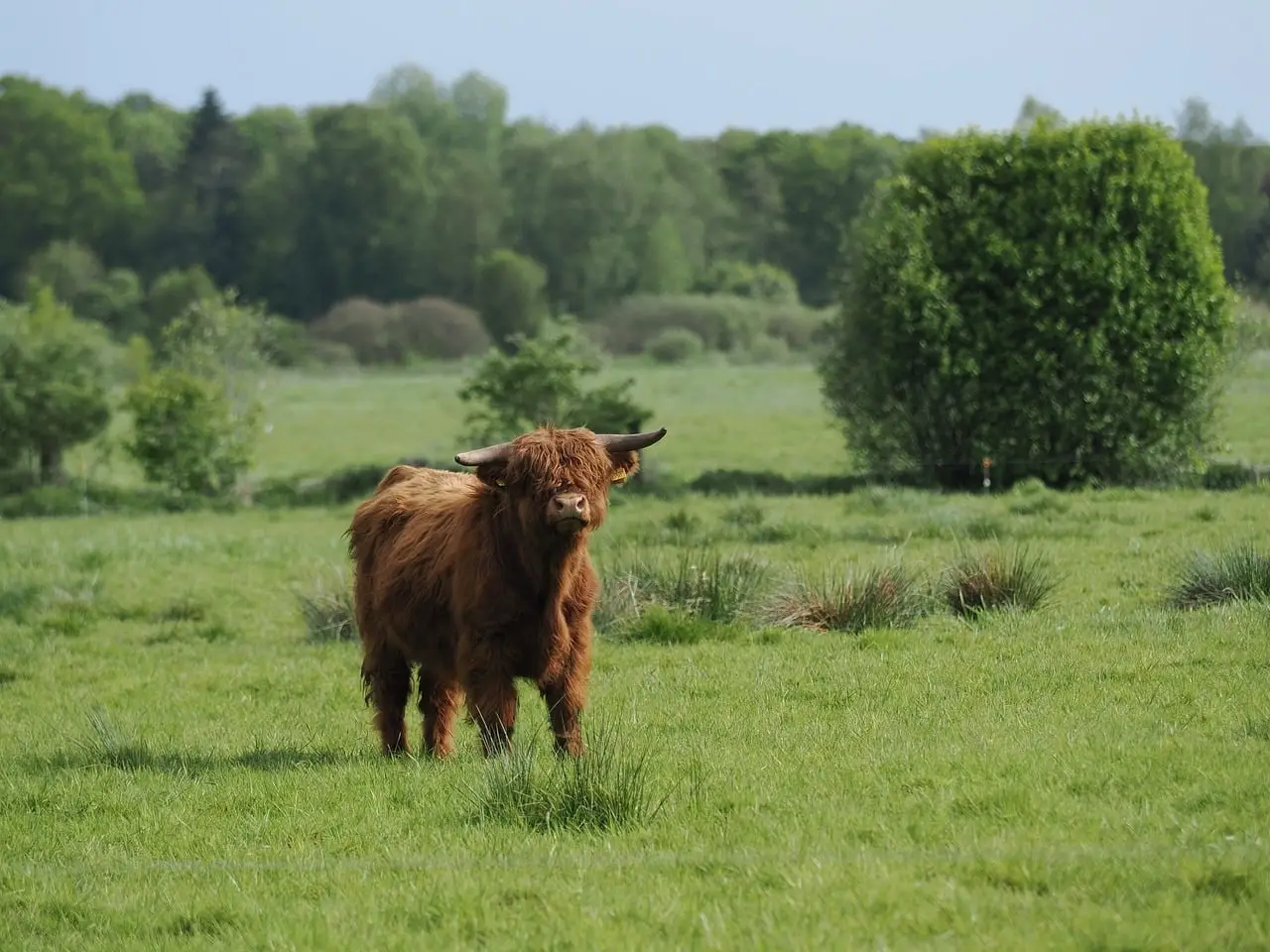
Photo: fotografie-thomas-nolte / pixabay
Parts of Ohio absorbed roughly a full year's worth of rain in just a couple of months this season, and Ohio State University Extension is asking producers to turn that weather anomaly into a management lesson before next spring.
Jordan Penrose, Agriculture and Natural Resources Educator in Morgan County with Ohio State University Extension, writes that the end of the growing season is the time to evaluate pastures and hay fields — and to write the findings down. Records, he argues, are what allow a farm to compare years and improve decisions.
"Each year presents us with new and different challenges, and this year the overall consensus would probably be the rain," Penrose writes in his end-of-season review.
What should producers evaluate?
Penrose offers a checklist of seven review areas:
- Did the grazing plan hold up as written?
- How did forage species perform?
- What is the quality and quantity of the hay?
- Conduct a feed inventory review.
- How did infrastructure hold up?
- Perform a financial evaluation.
- Look ahead to next year.
He does not cover all seven in the piece, but frames the list as a starting point for producers walking or driving their fields before winter.
Did the grazing plan survive the weather?
Penrose uses his own family's farm as the test case. The farm skips one field when heavy rain threatens, because a creek runs through it and the water can rise fast. Toward the end of July, he saw that field more underwater than he had ever seen in his life.
The broader question, he writes, is flexibility: whether the system can absorb extremes like that. Producers should check whether recovery times fit the grazing rotation, and whether some paddock areas were overgrazed while others grew too mature.
The cause is often structural. If shade, water and mineral supplements all sit in one corner of a paddock, that area likely took the grazing pressure while the rest of the field went over-mature. The dynamic is simple biology, Penrose notes: the animal's goal is to eat the best-tasting, most desirable plant available, and if that plant regrows, eat it again. The plant's goal is to reproduce and set a seed head.
Which forage species won the last three years?
Penrose reviews three seasons of weather in southeast Ohio to frame species performance:
- Severe drought in late summer and fall of 2024.
- A wet spring and early summer, followed by drought conditions again in the fall of 2025.
- A dry start to spring 2026, some rain, and then heavy rain through the summer.
The point of the weather review, he writes, is to identify which forage species thrived in those conditions and which did not — whether one species dominated more than in past years, or whether grasses thrived where legumes failed, or the reverse. On his own farm this year, red clover appeared in far greater abundance than before.
Do fields need a seeding next year?
Saturated soil and standing water likely drowned out spots in some fields this season, Penrose writes, and other areas may still not have recovered from the prior droughts. A seeding does not have to mean a complete do-over of the entire field; a frost seeding to add legumes to a mostly grass stand can be enough.
What changes before next season?
The core message is timing. Management decisions for the next year are made ahead of time, Penrose writes, not on the day they are needed. He advises producers to walk or drive through their fields now, recall how each one performed, and find at least one or two things to improve.
"These past couple of years have provided some stress tests for your pasture; will you be ready for the next one?" he closes.
Source: morningagclips.com
Nathan Brooks
Show full bio
Senior reporter covering companies, deals and strategy in Small- and large-animal clinical practice at The Vet Scope.
Related articles
Iowa livestock manure runoff threatens drinking water, EWG reports
OSU Extension flags late winter as high-risk window for livestock
UC Agriculture and Natural Resources Publishes Livestock and Rangeland Recovery Guidance
Iowa Livestock Health Advisory Council Awards Research Grants
University of Florida Lands $9.5 Million Gift to Fight Cattle Pests