CAFO Operator Environmental Training Set for Dec. 2 in Huron
South Dakota CAFO operators can meet a 2017 general permit training condition at a Dec. 2, 2026 session in Huron, $50, hosted by SDSU Extension, DANR and NRCS.
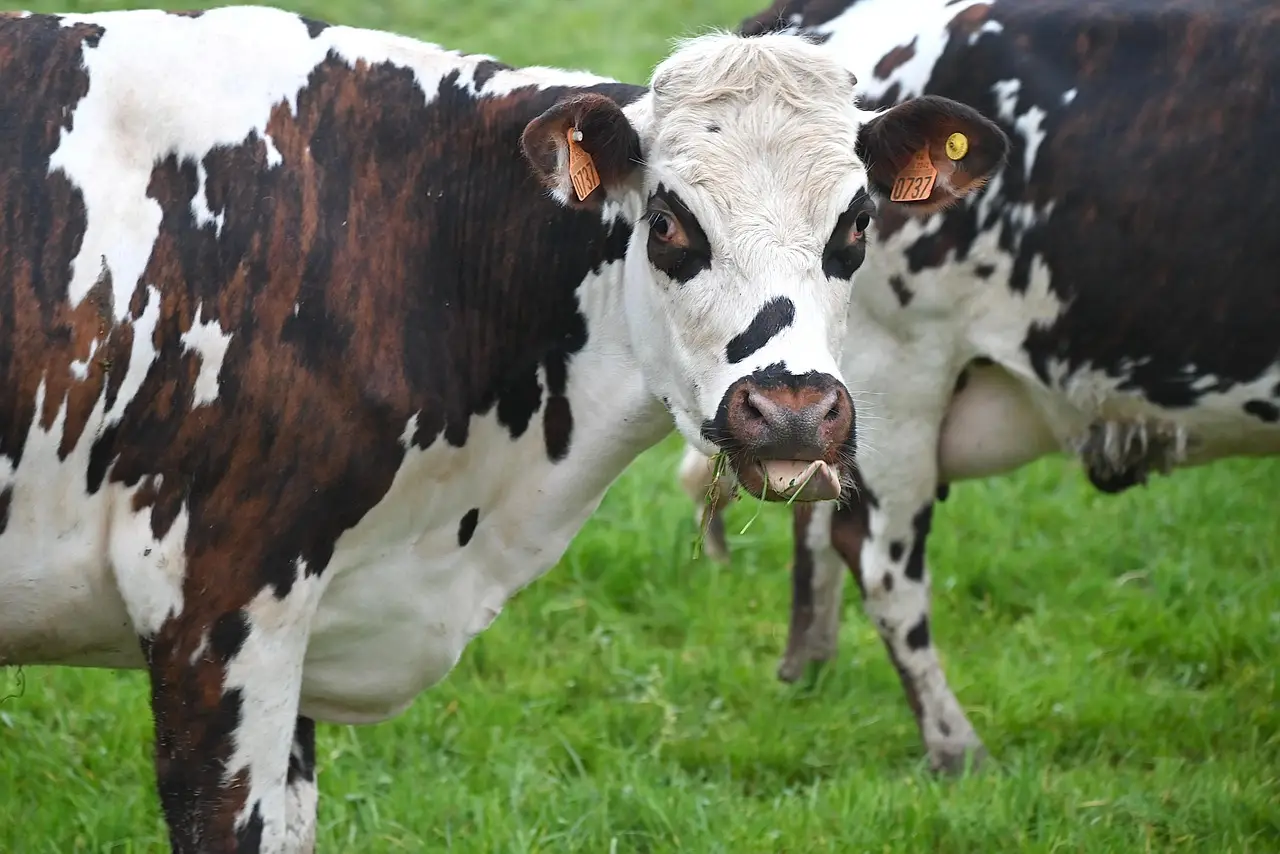
Photo: dendoktoor / pixabay
South Dakota CAFO operators can satisfy a state permit requirement on Dec. 2, 2026, at a single-day environmental training in Huron. Registration opens at 8:15 a.m. CST, the program runs from 8:45 a.m. to roughly 4:45 p.m., and the $50 fee covers lunch and training materials. Registration is required through extension.sdstate.edu/events, searching the word "CAFO." Specialists from SDSU Extension, the South Dakota Department of Agriculture and Natural Resources, and the USDA Natural Resources Conservation Service will present.
What does the training cover?
The agenda spans the full manure-management chain, from the feed bunk to the field. Six speakers are scheduled alongside the keynote topics:
- Bob Thaler, Farm Credit Services of America Endowed Chair in Swine Production, Distinguished Professor and SDSU Extension Swine Specialist, on air quality and odor.
- Sushant Mehan, assistant professor and SDSU Extension water resource engineer specialist, on water quality.
- Rafe Royall, assistant professor and SDSU Extension swine specialist, on livestock nutrition options for altering the nitrogen and phosphorus content of manure.
- Jason Roggow, natural resources engineer with the South Dakota DANR, on the state livestock permit program.
- Kent Vlieger, USDA NRCS soil health specialist, on soil erosion and infiltration.
- Anthony Bly, SDSU Extension soils field specialist, on managing nitrogen and phosphorus in land applications of manure.
- Jason Gilb, USDA NRCS conservation agronomist, on land-application-of-manure worksheets.
The speaker roster tells practitioners what the day rewards: practical nutrient planning, not theory. Thaler summarized the payoff from past sessions plainly: "Past attendees of this program have come away with at least one new practice they consider adopting related to land application, livestock feeding, air quality or soil conservation."
Why the training matters for permit holders
The requirement behind this session dates to spring 2017, when the South Dakota Department of Environment and Natural Resources reissued the General Water Pollution Control Permit for CAFOs. That general permit obliges existing permitted operations to obtain coverage one to four years after the general permit issues.
The permit carries a training condition. An onsite representative must have completed an approved environmental training program within the three years before the operation obtains a new permit. Turnover triggers a clock. If the trained person leaves the operation, another representative must attend training within one year.
The Huron program satisfies the proposed permit's requirement, provided attendance falls after July 2017. That detail decides whether a certificate still counts.
Who else should attend?
Organizers have framed the day for a wider audience than applicants alone. Manure applicators, producers, concerned citizens, policy makers, county commissioners, zoning board officers and any other interested individuals who are not currently applying for a permit can benefit from the information and are encouraged to attend, according to the announcement.
For county officials, the value lies in understanding the permit framework they administer. For custom manure applicators, the nutrient and worksheet sessions map directly onto client work.
The bottom line
Operators seeking permit coverage should check their training date now. If the last approved session predates the three-year window, or the trained employee has departed, December in Huron closes the gap in one day.
Questions can go to Bob Thaler at 605-688-5435 or [email protected]. Organizers expect the same applied format that has sent past attendees home with at least one practice worth adopting.
Source: morningagclips.com
Elena Vasquez
Show full bio
Market editor covering money, funding and market shifts around Small- and large-animal clinical practice at The Vet Scope.
Related articles
UC Agriculture and Natural Resources Publishes Livestock and Rangeland Recovery Guidance
Iowa livestock manure runoff threatens drinking water, EWG reports
Nebraska Beef Summit Set for Dec. 9 in Kearney
Michigan directs state grants to expand rural veterinary training
Temple Grandin to Speak Dec. 11 at MU Extension's Pearls of Production