Zoo Rehab Medicine Mirrors Small-Animal Practice, Clinicians Say
Seven months of physical therapy restored mobility to a spondylosis-affected tamandua at San Diego Zoo, as clinicians say zoo rehab now mirrors small-animal practice.
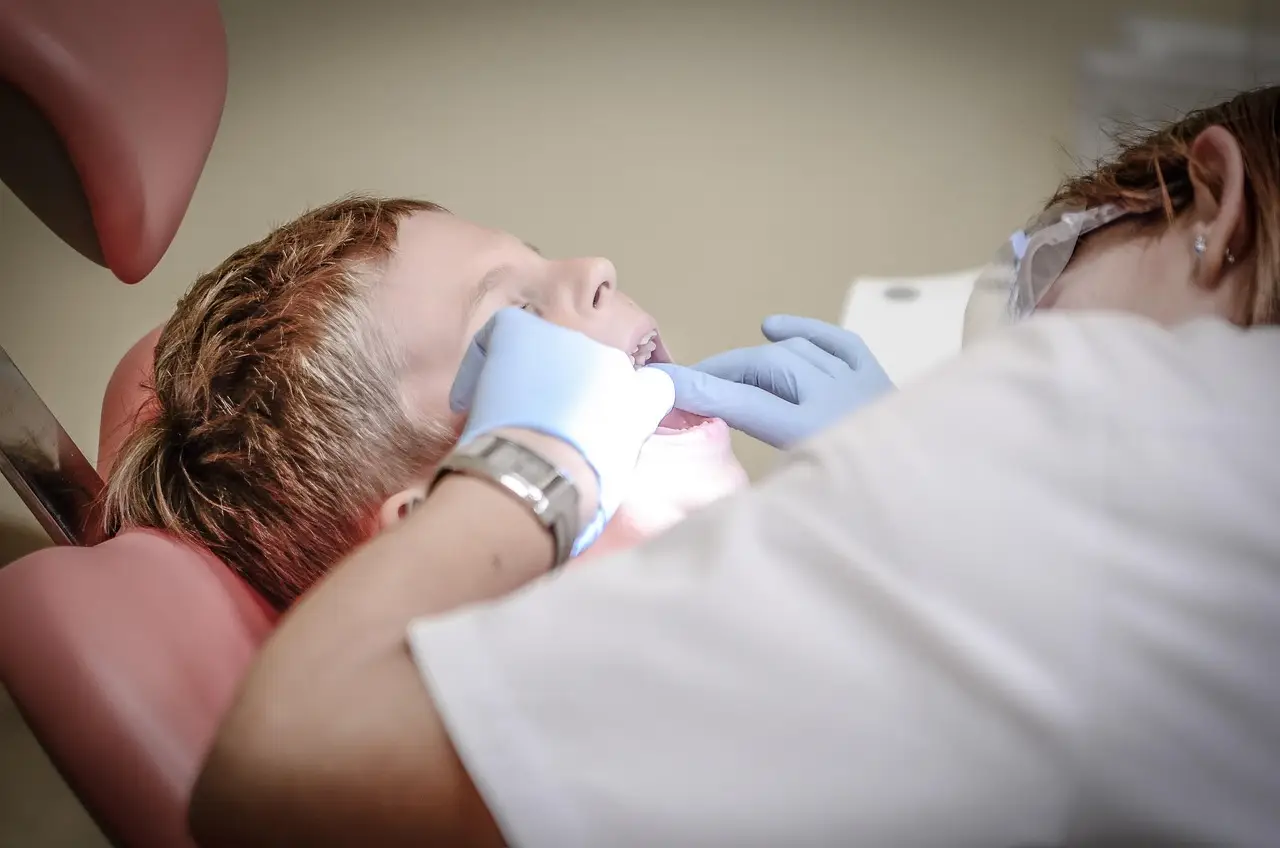
Photo: Pexels / pixabay
Seven months of physical rehabilitation returned a middle-aged tamandua at the San Diego Zoo Wildlife Alliance to comfortable mobility after CT imaging revealed widespread spinal spondylosis — and the case is a template for how zoo medicine now runs on the same playbook as the general-practice exam room.
Mani, a five-year-old male tamandua and one of the zoo's most popular ambassador animals, had begun to slow down. Keepers recorded trouble climbing, limb stiffness, difficulty pulling his body up from a tail hang, slower movement on a sloped perch, and several concerning falls.
"A CT scan revealed Mani had caudal lumbar spondylosis deformans and spondylosis in his cervical and thoracic spine as well," says senior veterinarian Deena Brenner, DVM, DACZM, who holds a specialty certification in veterinary physical rehabilitation. Her mobility assessment found moderate stiffness in his rear legs, mild kyphosis at the thoracolumbar junction, stiffness in his hips with decreased extension when standing, and slow, deliberate tail use.
The exercise program drew directly from canine rehabilitation. Mani worked through:
- a vertical weave — a series of vertical poles he walks through
- Cavalletti rails — raised ground obstacles he steps over
- a tunnel that promotes spinal extension
- a balance board and an incline ramp
After seven months, Brenner reports measurable change: "He is moving more comfortably with a stronger rear-limb posture, he's not slipping, and he hasn't had any falls."
How similar is zoo rehab to general practice?
James Steeil, DVM, DACZM, supervisory veterinarian at Smithsonian's National Zoo and Conservation Biology Institute in Washington, D.C., says the overlap is close to total.
"I can have the same conversation about the treatment of arthritis in my cat and in a tiger at the zoo," Steeil says. "The outcomes might be slightly different because of limitations based mostly on safety, but what we provide is eerily similar to what the general practitioner is doing in terms of diagnostics, treatments and collaboration with specialists."
Brenner agrees: "What is always amazing to me is how translatable many canine rehabilitation techniques are across zoological species. They just need to be adapted to the body of the patient. We know bodies age similarly, and the care for those is similar, such as analgesics, exercise, and range-of-motion activities."
Because zoo animals receive exceptional care and live longer in managed care than in the wild, age-related joint disease drives most referrals. "We commonly see arthritis in the spine, hips, stifles, and elbows, similar to dogs and cats," Brenner says. Post-injury and post-operative rehabilitation are also core indications.
How do animals participate in their own treatment?
Daily detection relies on animal care specialists, who work with individual animals across their lifespans and often spot decline first. Jennifer McGee, director of Wildlife Experiences at Brookfield Zoo Chicago, credits those relationships: "Animal care specialists have a really good eye as a result of their relationship with the animals under their care. These animals are our colleagues."
Animals are trained with positive reinforcement — food, a toy, or a pat on the head — to present body parts for examination voluntarily. McGee frames welfare as the governing rule: "Because welfare is our top priority, it's important an animal have a choice in their participation, and it's a positive experience for them."
The payoff is diagnostic. Mandara, a 44-year-old female gorilla at the Smithsonian's National Zoo whose specialists noticed slowing and foot shuffling, had been trained to present her feet, which eased both the diagnosis of ankle arthritis and her physical therapy.
Which species and modalities are in play?
Rehabilitation is not universal — some species are too small, fragile, or stress easily. The caseload nonetheless spans taxa:
- Zola, a female aardvark at San Diego Zoo with a juvenile neck injury, does therapeutic exercises twice weekly plus analgesics, acupuncture, and manual therapy.
- Three geriatric Galapagos tortoises receive weekly manual therapy for osteoarthritis; clinicians use the shell the way they would use ribs and spine to move the body through planes, with manual massage on the limbs.
- Kaya, a female leopard tortoise at Brookfield Zoo Chicago, gets therapy several times a week for a spinal deformity that impaired defecation and weakened her hind legs — core stabilization on a balance ball, an obstacle course requiring leg lifts, and incline strength work.
The most pharmacologically notable case was Murphy, a male Komodo dragon at the Smithsonian's National Zoo with joint arthritis. Steeil partnered with Matt Brunke, DVM, DACVSMR (Canine), CCAT, a canine sports medicine and rehabilitation specialist, on a plan that injected Synovetin OA — a radioactive isotope developed for dogs — into Murphy's joints to curb swelling and inflammation.
"We had established a rubric to evaluate Murphy's mobility, gait and joint flexion, which showed that he gained improvement in his comfort level as a result of the therapy," Brunke says. "Unfortunately, Murphy's joint issues worsened as he aged, despite rehabilitation therapy, and the decision was made to euthanize him in December 2024."
The broader toolkit includes epidural steroid injections, cold laser therapy, shockwave therapy, and therapeutic exercise. "These are all approaches we can use as targeted therapy for arthritis, tendinitis, and other painful conditions," Brunke says. Diagnostics lean on radiography, CT, physical exams, goniometry, and muscle girth measurements to set baselines and track progress.
What reaches the general-practice audience?
Zoos share findings through journal articles and conferences, but promotional videos often carry the message further. A two-and-a-half-minute Smithsonian video, "How Do You Help a Komodo Dragon with Arthritis?", produced a direct practice response.
"Within a month of the video going live, I received four specific consults from people who wanted to discuss Murphy's therapy for their pets," Brunke says. "Many of them also asked, 'Is this approach available for me, because my knee hurts.' I had to tell them, no, but there are other things you can do."
Brenner sees the traffic flowing both ways: "There are a lot more physical rehabilitation opportunities for small animals than there were just five years ago, and I think community veterinarians will be asked for rehabilitation therapy more as a standard of care moving forward."
Source: Veterinary Practice News
Amara Osei
Show full bio
Correspondent covering companies, deals and strategy in Small- and large-animal clinical practice at The Vet Scope.