DVM 360 Revisits the Physical Toll of Veterinary Practice
DVM 360 has published a feature, "Why veterinary work can take such a physical toll," adding to the trade outlet's coverage of musculoskeletal strain, lifting injuries and ergonomic risk across U.S. veterinary practice.
Updated
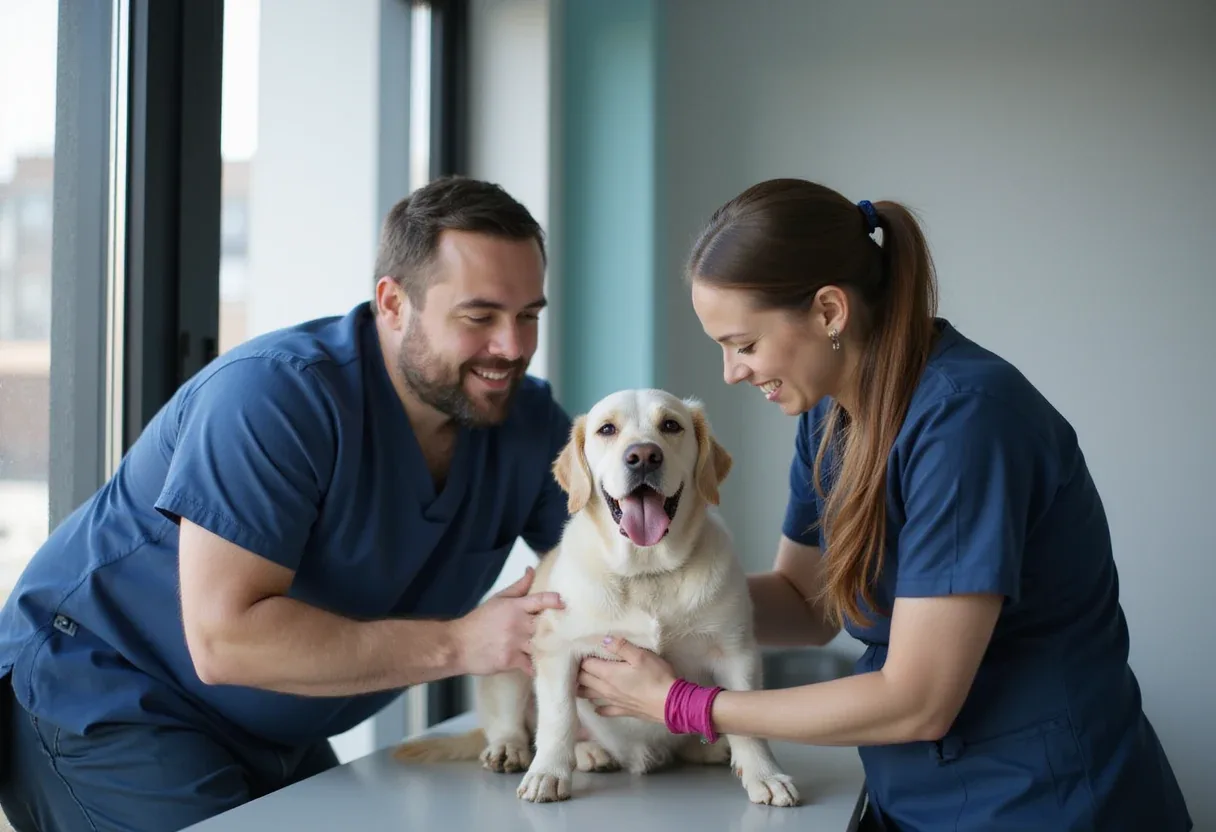
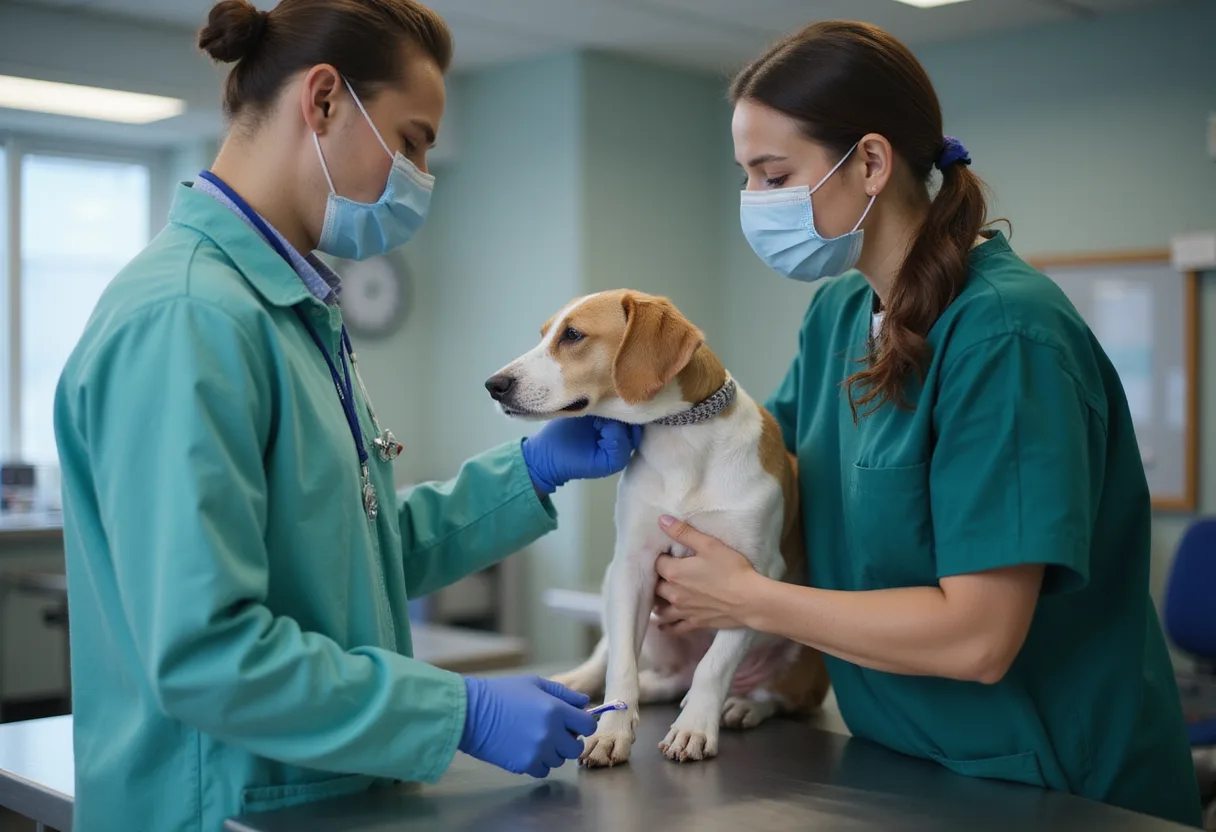
Photo: AI-generated
DVM 360 has published a feature this week titled "Why veterinary work can take such a physical toll," returning the trade outlet's coverage to the occupational health of veterinarians, technicians and practice staff.
The headline language — "such a physical toll" — frames the piece as an explanation rather than a survey. It signals DVM 360's interest in the mechanisms behind the musculoskeletal, repetitive-strain and acute-injury burden reported across companion-animal, equine and mixed-animal practice. The publication's readership of U.S. small-animal clinicians, practice managers and credentialed technicians forms the audience for this line of inquiry.
The feature's substantive findings — study citations, specific injury rates, or recommended interventions — are not present in the available excerpt. Only the headline, the venue and the publication category are verifiable from the supplied source data.
DVM 360, owned by MJH Life Sciences, carries practice-management and clinical news aimed at working veterinarians. The outlet's recurring coverage of workplace injury, ergonomic equipment and staffing retention sits adjacent to its mental-health reporting on compassion fatigue and suicide risk in the profession. A piece framed around the physical demands of veterinary work typically pairs anatomy-driven explanation with workforce injury data.
What the headline implies for exam-room and barn work
The phrasing "physical toll" points to the daily demands most clinicians recognize without prompting: lifting heavy, anxious dogs onto tables; restraining large-animal patients for procedures; maintaining static posture during long surgeries; and twisting into awkward positions for dental or imaging work. Each task category carries documented injury risk in occupational-health literature, though the precise figures cited in the DVM 360 feature remain inaccessible from the supplied excerpt.
Practice-level changes that such coverage typically motivates include investment in hydraulic lift tables, slip-resistant flooring, mechanical patient-transfer devices and reorganized workflow to reduce solo lifting. Reception staff and kennel assistants face parallel exposure, often with less access to ergonomic training.
What readers can and cannot take from the source
The available source permits a single confirmed fact: DVM 360 has run a feature with this headline. It does not permit quotation, numeric attribution, or study-design summary. A faithful rewrite cannot manufacture those elements.
The takeaway for practitioners: the occupational-physical strain of veterinary work has re-entered DVM 360's editorial agenda, joining the outlet's parallel coverage of mental-health and retention issues facing the U.S. veterinary workforce. The full feature, once accessible, will likely quantify the burden DVM 360's headline alludes to.
Readers seeking intervention detail — equipment, staffing models, or training programs — will need the full text of the DVM 360 piece, which the supplied excerpt does not contain.
Source: Google News: Veterinary medicine
Daniel Okafor
Show full bio
News editor covering technology and product news in Small- and large-animal clinical practice at The Vet Scope.
Related articles
DVM 360 asks whether pain is 'just part of the job' for veterinarians
Three Pressures, One Poll: dvm360 Survey Names Burnout, Pay, Corporate Ownership
Protective Factors Offer a Route to Veterinary Suicide Prevention
RECOVER First-Aid Playbook Targets Client Coaching in Vet Clinics
Support Is Not Treatment: Vets Need a Shared Supplement Language