DVM 360 asks whether pain is 'just part of the job' for veterinarians
DVM 360 has published a feature titled "Is pain just part of the job in veterinary medicine?" The headline reframes occupational pain among veterinarians and support staff as a workplace design problem, asking who is responsible for redesigning the job.
Updated
DVM 360, the U.S. veterinary trade publication, has posted a feature article headlined "Is pain just part of the job in veterinary medicine?" — a question that frames occupational pain as a structural workplace issue rather than a private complaint.
The piece, hosted on the DVM 360 website, takes its title as its central framing. By choosing the word "job" rather than "calling" or "vocation," the headline repositions the conversation about workplace injury, lifting strain, animal-handling trauma and chronic pain as a labor question, not an individual one.
DVM 360 is a long-standing clinical and practice-management outlet serving North American veterinarians. The publication has built its editorial reputation on continuing-education content, regulatory reporting and practice-management analysis for general practitioners, specialists and hospital owners.
What is the article asking?
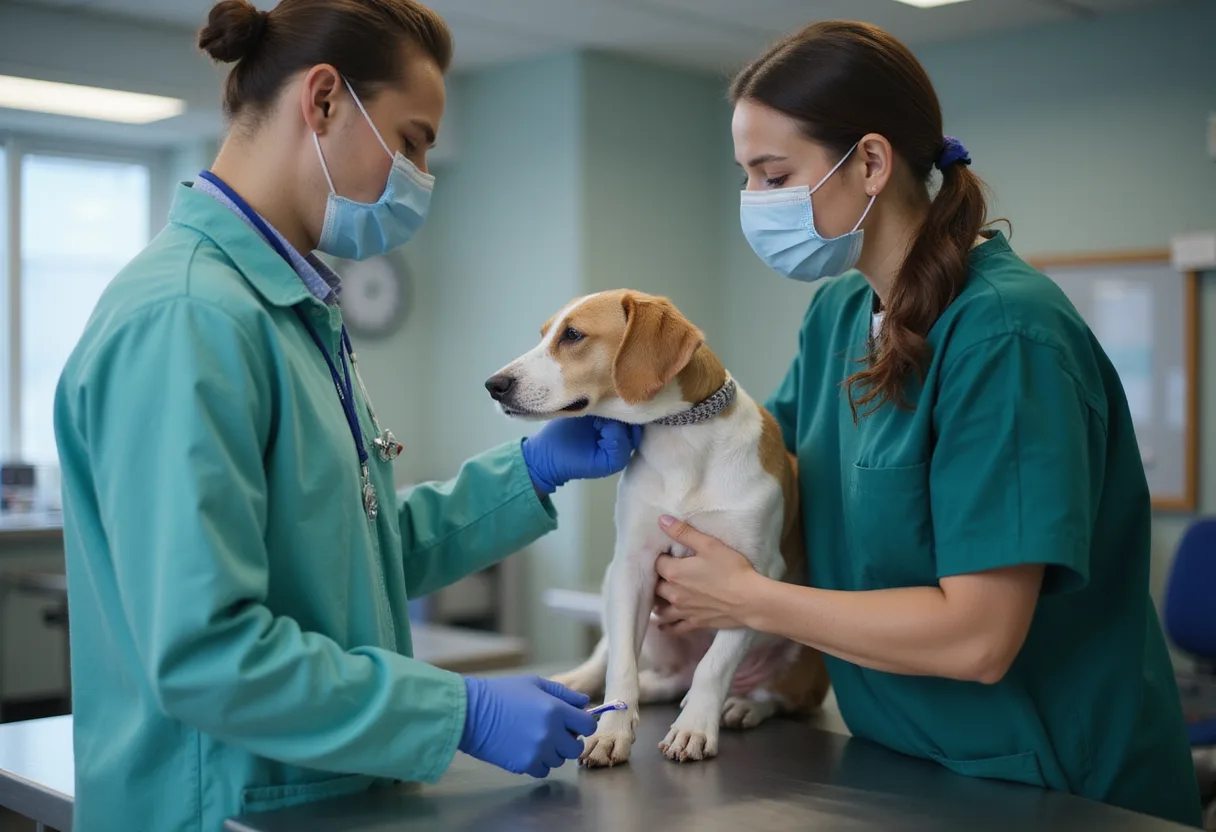
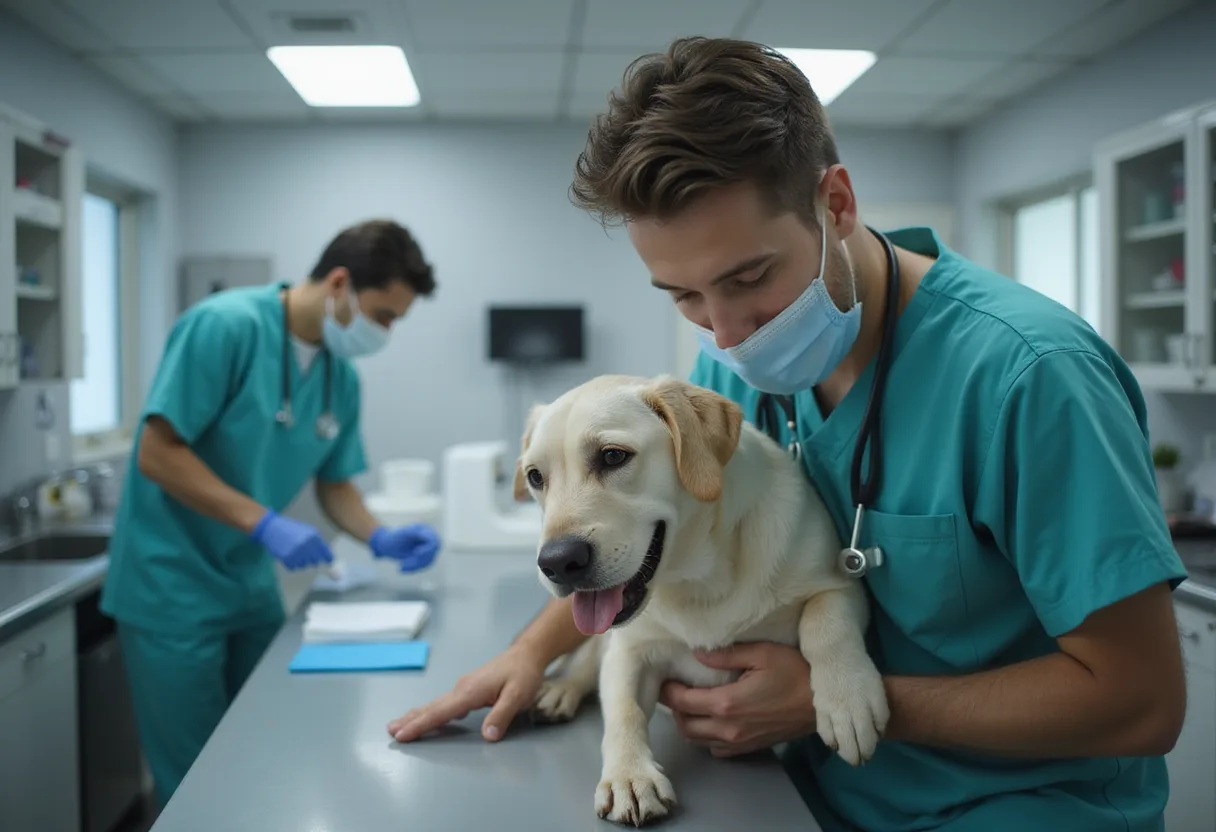
The headline reframes a familiar clinical reality — veterinarians and support staff work in environments where animal restraint, surgical positioning, lifting and prolonged standing are routine — as a workplace design problem. The implicit challenge runs to clinicians, practice owners and policymakers: if pain is part of the job, whose responsibility is it to redesign the job?
That framing mirrors a shift already visible across the wider health-care workforce. In human medicine, occupational health has moved from individual advice ("lift with your knees") to systemic interventions — ceiling-mounted lifts, team-lift protocols, regulated shift lengths and dedicated workplace-safety officers. Veterinary medicine has lagged in formalizing comparable systems.
What does the headline leave unresolved?
The piece, as advertised by its title, opens a question rather than announces a finding. Readers will need to read the full article to see whether DVM 360 proposes specific interventions, cites survey data, profiles affected practitioners or simply uses the headline to set up a discussion.
Its publication alone, however, signals something about the editorial direction of the outlet's coverage. Practitioner wellbeing has become a recurring topic across the veterinary press in recent years, with burnout, suicide prevention, debt-driven career exit and physical injury all receiving expanded coverage. Adding occupational pain to that list suggests a consolidation of the wellbeing beat.
What changes for the clinic?
The clinical implications depend entirely on what the full article recommends. If the piece focuses on ergonomics, practical takeaways for practitioners include equipment audits (lifting tables, restraint devices, kennel design), retraining in low-strain animal handling and scheduled microbreaks during high-caseload days. If the piece focuses on staffing, the takeaway shifts to workload distribution and team composition.
DVM 360's feature coverage is read closely by practice owners and hospital managers, who use the publication to benchmark policy choices on issues ranging from drug compounding to client communication. A high-profile feature on occupational pain could plausibly catalyze similar coverage in the Journal of the American Veterinary Medical Association, Veterinary Practice News and the trade press serving food-animal practice.
Whether the article triggers follow-up coverage in those outlets will become clear in the publication's next editorial cycle.
Source: Google News: Veterinary medicine
Nathan Brooks
Show full bio
Senior reporter covering companies, deals and strategy in Small- and large-animal clinical practice at The Vet Scope.
Related articles
DVM 360 Revisits the Physical Toll of Veterinary Practice
Three Pressures, One Poll: dvm360 Survey Names Burnout, Pay, Corporate Ownership
Why Veterinary Medicine's Future Hinges on Its People, Not Just Its Tools
AAHA Spotlights Veterinarian Devoted to Working Dog Teams
Canadian Veterinary Association Warns of Drug Shortages and Burnout