Why Veterinary Medicine's Future Hinges on Its People, Not Just Its Tools
A Today's Veterinary Business essay argues veterinary medicine's future depends on its people — staffing, retention, and leadership, not technology alone, will decide the profession's trajectory.
Updated
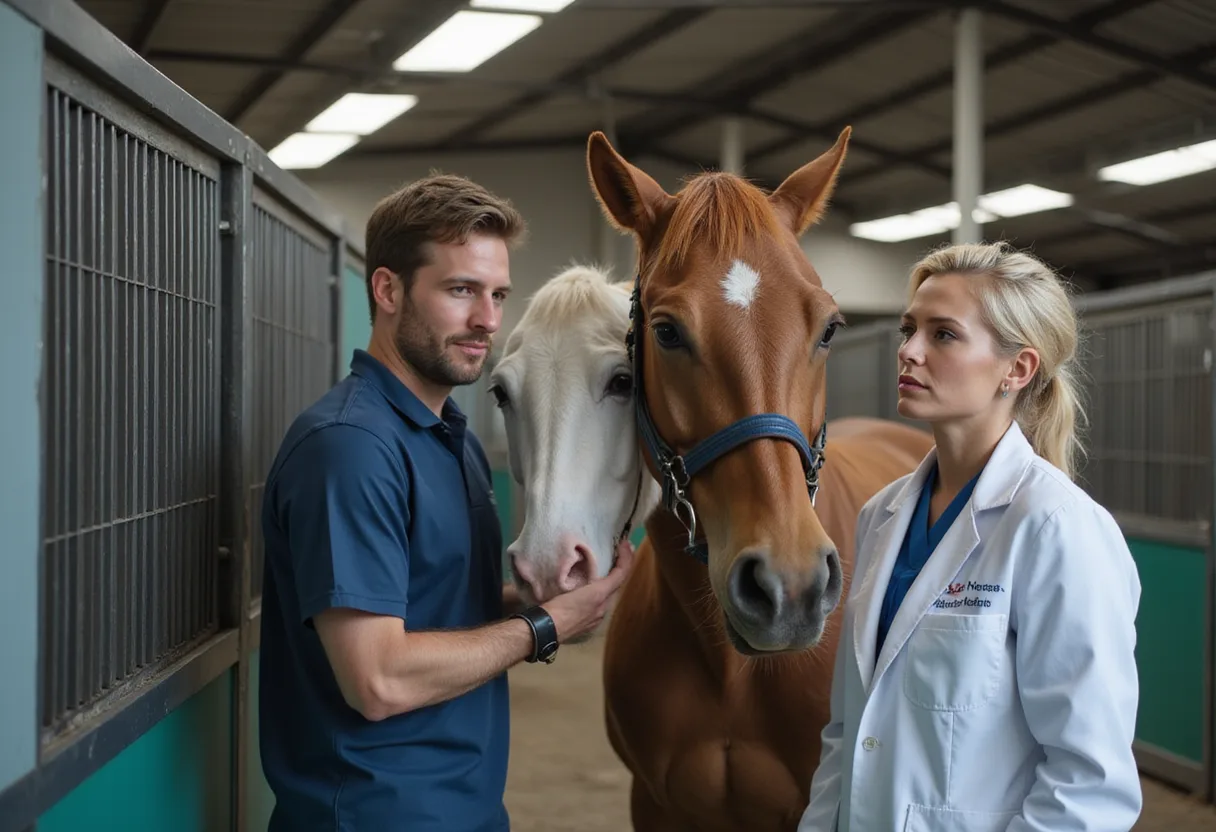
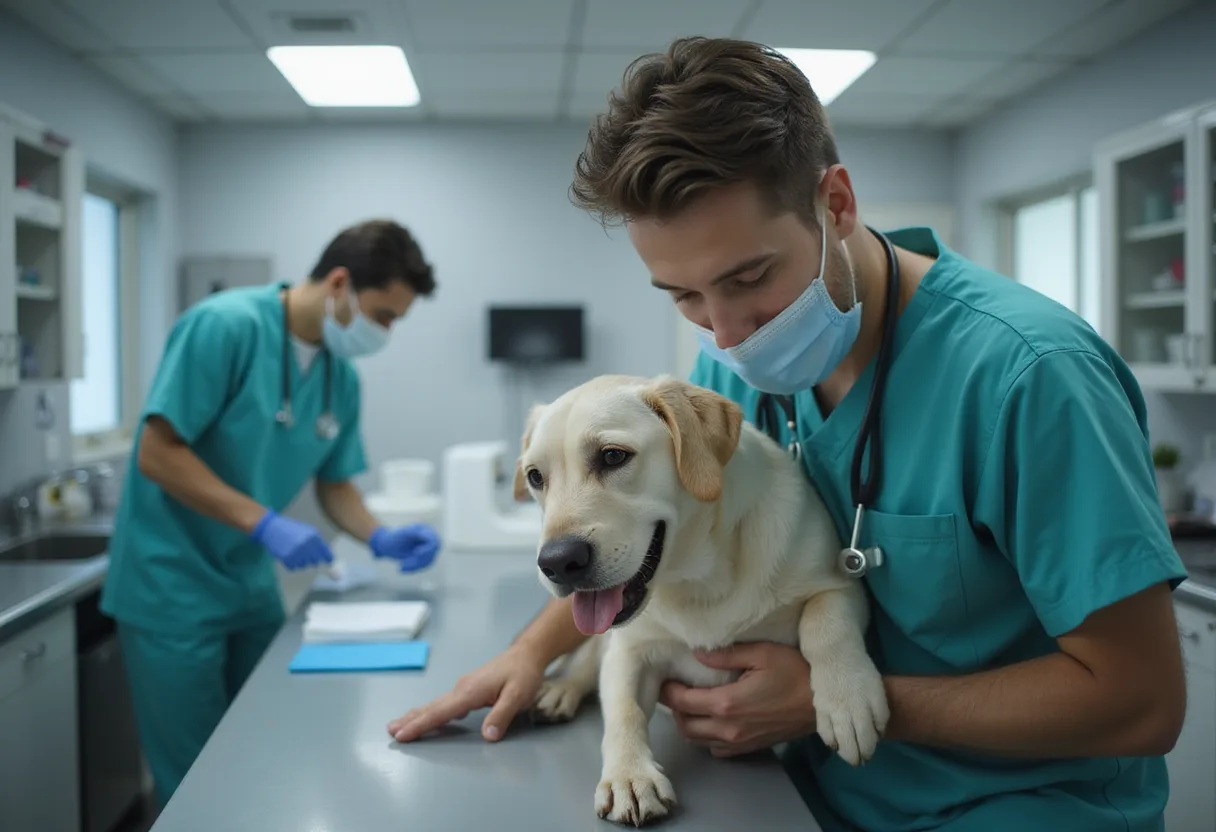
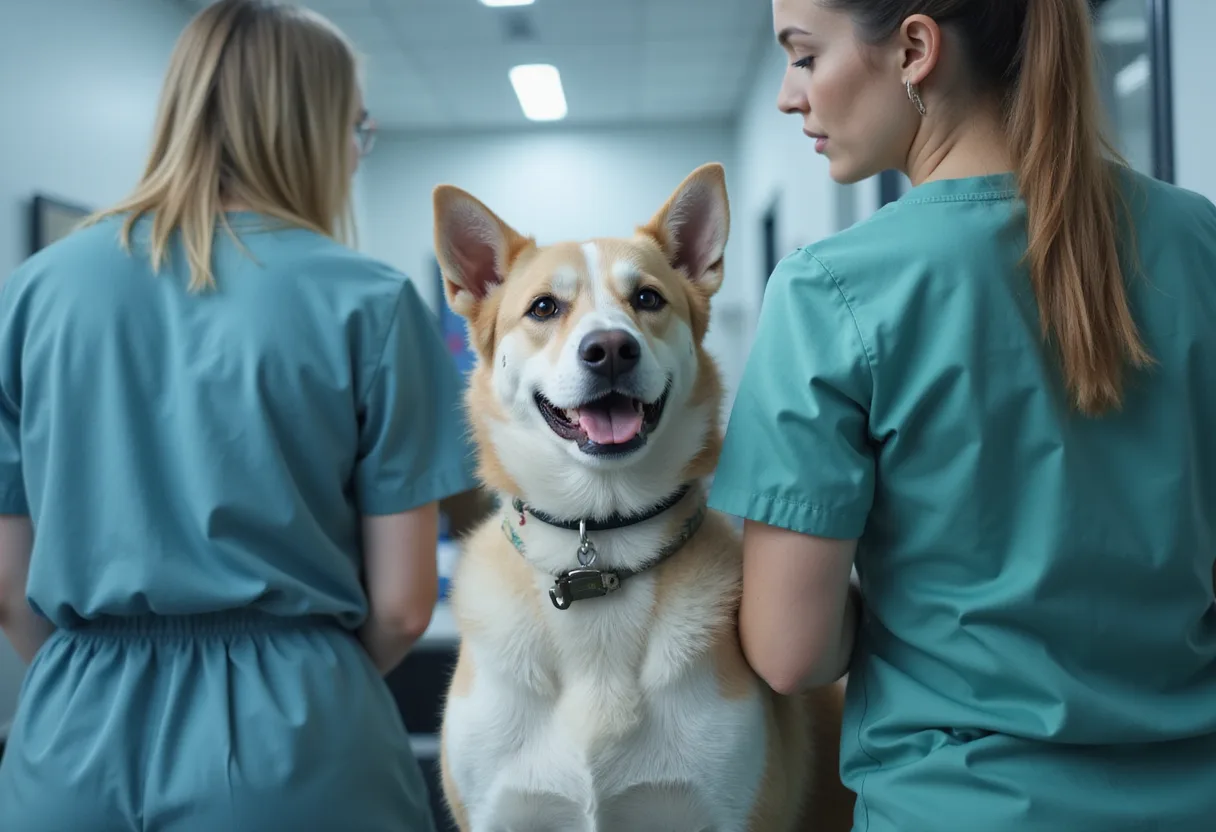
Photo: AI-generated
The future of veterinary medicine will be decided less by new drugs or devices than by the people who deliver care, argues a new essay in Today's Veterinary Business titled "Why the Future of Veterinary Medicine Depends on Its People."
The piece's central claim is direct: the profession's constraints and opportunities are human ones. Staffing, retention, wellbeing, and leadership capacity — not technology alone — will determine whether practices can keep meeting demand for companion-animal and food-animal services alike.
Why does the argument center on people?
The essay frames the workforce as the rate-limiting factor for everything else in veterinary medicine. Innovation in diagnostics, therapeutics, and practice models only translates into patient outcomes when there are trained professionals available to apply it.
For companion-animal practice, that means the exam table depends on who is standing next to it: veterinarians, technicians, and support staff who are present, trained, and retained. For food-animal and regulatory work, the same logic extends into the barn and the slaughterhouse line, where workforce shortfalls carry public-health consequences.
What does this mean for practice owners?
The essay's framing pushes practice leaders to treat investment in people — recruitment, development, and workplace culture — as strategic infrastructure rather than overhead. In an industry that has spent recent years absorbing consolidation, telehealth expansion, and pricing pressure, the human capital argument reframes competitive advantage.
Practices that cannot retain staff will struggle to convert any other investment into results, the logic runs. Practices that can will compound every other advantage they hold.
How does this connect to industry trends?
The argument lands amid sustained industry attention to workforce strain. Hospital groups, veterinary schools, and associations have all made staffing and wellbeing a recurring agenda item, and business coverage of the sector increasingly treats labor as the sector's binding constraint.
By placing people at the center of the profession's future, the essay aligns with a broader shift in how veterinary business leaders talk about growth: from expansion of capacity on paper to the harder question of who will staff that capacity.
What comes next?
Readers can expect the people-first argument to shape how practice valuation, hiring strategy, and succession planning are discussed across veterinary business media in the coming cycle. The full essay is available at Today's Veterinary Business.
Source: Google News: Veterinary drugs
Nathan Brooks
Show full bio
Senior reporter covering companies, deals and strategy in Small- and large-animal clinical practice at The Vet Scope.
Related articles
AVMA Panel Calls for Overhaul of Animal Health for 21st Century
Equine Veterinarians Are Leaving the Profession in Growing Numbers
AAHA Spotlights Veterinarian Devoted to Working Dog Teams
Too Few Vets, Too Many Animals: The Farm Veterinarian Shortage
Pet owners keep spending on care as affordability fears mount