USU cuts ribbon on Willis veterinary medical education building
Utah State University cut the ribbon on the Thomas and Patricia Willis Veterinary Medical Education Building this week. The release did not include square footage, construction cost, or a target student-capacity figure for the new Logan campus facility.
Updated
Photo: AI-generated
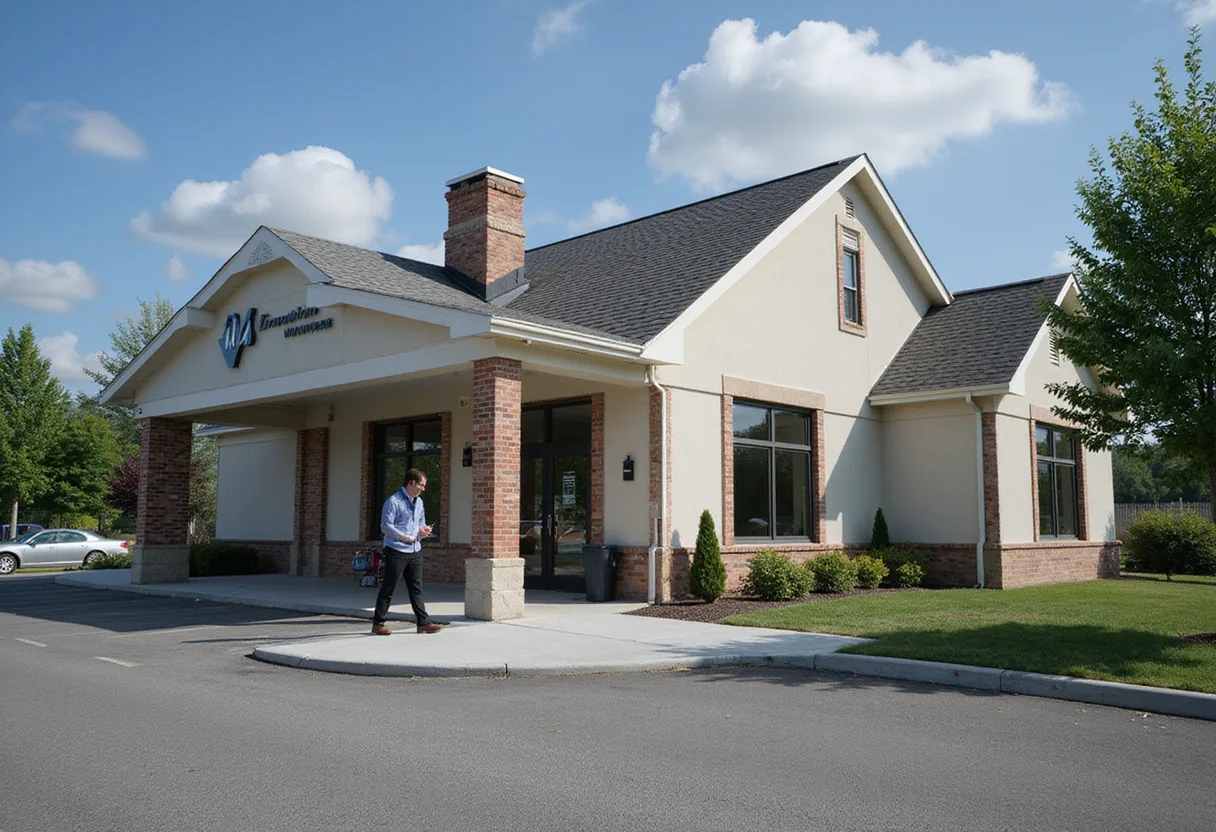
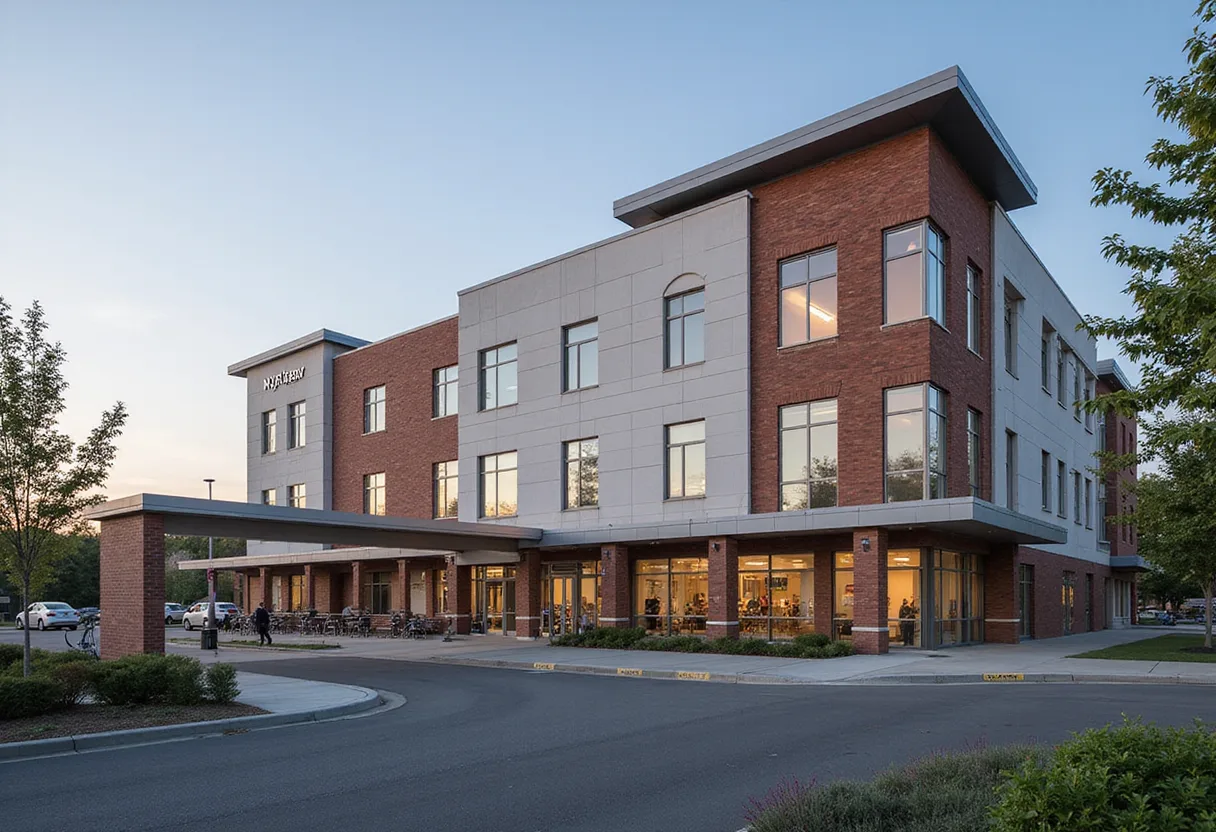
USU cut the ribbon on the Thomas and Patricia Willis Veterinary Medical Education Building this week, formally opening a new teaching facility on the Logan campus dedicated to veterinary medical training. The dedication ceremony marks the building's commissioning and gives the structure a working name inside USU's veterinary medicine program.
The announcement did not include square footage, construction cost, or a target student-capacity figure tied to the new building. Utah State University distributed the news through a brief item naming the structure and the ceremony; numerical detail on cost, dimensions, and class size did not appear in the materials as circulated.
What does the announcement actually state?
The building carries the names of Thomas and Patricia Willis, the honorees tied to the dedication. USU's veterinary medicine program is the institutional host. The program has operated as a cooperative venture in which pre-clinical coursework happens at Logan and clinical-year training completes at partner veterinary colleges in other states. The Willis building enters service as dedicated physical infrastructure for the Logan portion of that arrangement.
How does this change what happens at the practice level?
For Utah practitioners, the direct effect on the exam table or in the barn is indirect and slow. New teaching space does not, on its own, expand the graduate pipeline. It adds in-state capacity for the didactic portion of veterinary training, so a larger share of USU DVM-track students can complete their pre-clinical years close to home before relocating for clinical year. Mid-career veterinarians do not see a clinical change on day one.
What has to happen next for additional graduates to follow?
That capacity will only translate into graduates through accreditation routes. The AVMA Council on Education reviews any change to a program's class size or curriculum delivery. The Willis building's footprint, once disclosed, will shape how much pre-clinical capacity the cooperative program can absorb without triggering an accreditation review or a curriculum-substitution process. The bottleneck, in other words, sits downstream of the building itself.
Where does this sit in the national workforce conversation?
Veterinary workforce demand has been a recurring subject of AVMA workforce studies and JAVMA coverage in recent years. Projected shortfalls in rural mixed-animal practice and food-animal veterinary medicine have shaped state-level responses in multiple states. USU's cooperative model has long existed inside that conversation as a non-freestanding DVM program on its home campus. The Willis building narrows the distance between Utah's veterinary education footprint and the footprint of a fully freestanding four-year DVM program. Whether that distance closes further will depend on subsequent facility investments, faculty hiring, and the council's review of any proposed class-size changes.
What comes next?
The dedication ceremony establishes the date of formal opening. The next measurable outputs will be facility specifications once USU publishes them, any cohort-size adjustment the new space makes possible, the AVMA Council on Education's posture on those adjustments, and the first group of pre-clinical students who pass through the Willis building on the way to clinical year. Until those numbers appear, the building is a physical commitment, not a workforce event.
Source: Google News: Veterinary medicine
Amara Osei
Show full bio
Correspondent covering companies, deals and strategy in Small- and large-animal clinical practice at The Vet Scope.
Related articles
New USU building completes Utah's first full veterinary medicine program
CSU cuts the ribbon on new Veterinary Hospital and Education Complex
Colorado State University Opens New Facility Dedicated to Veterinary Medicine and Education
CSU Opens Expanded Primary Care Suite for Veterinary Training
Virginia Tech Commits $63 Million to Veterinary Teaching Hospital Expansion