Colorado State University Opens New Facility Dedicated to Veterinary Medicine and Education
Colorado State University has opened a new facility focused on veterinary medicine and education, expanding training capacity at one of the Mountain West's key veterinary institutions.
Updated
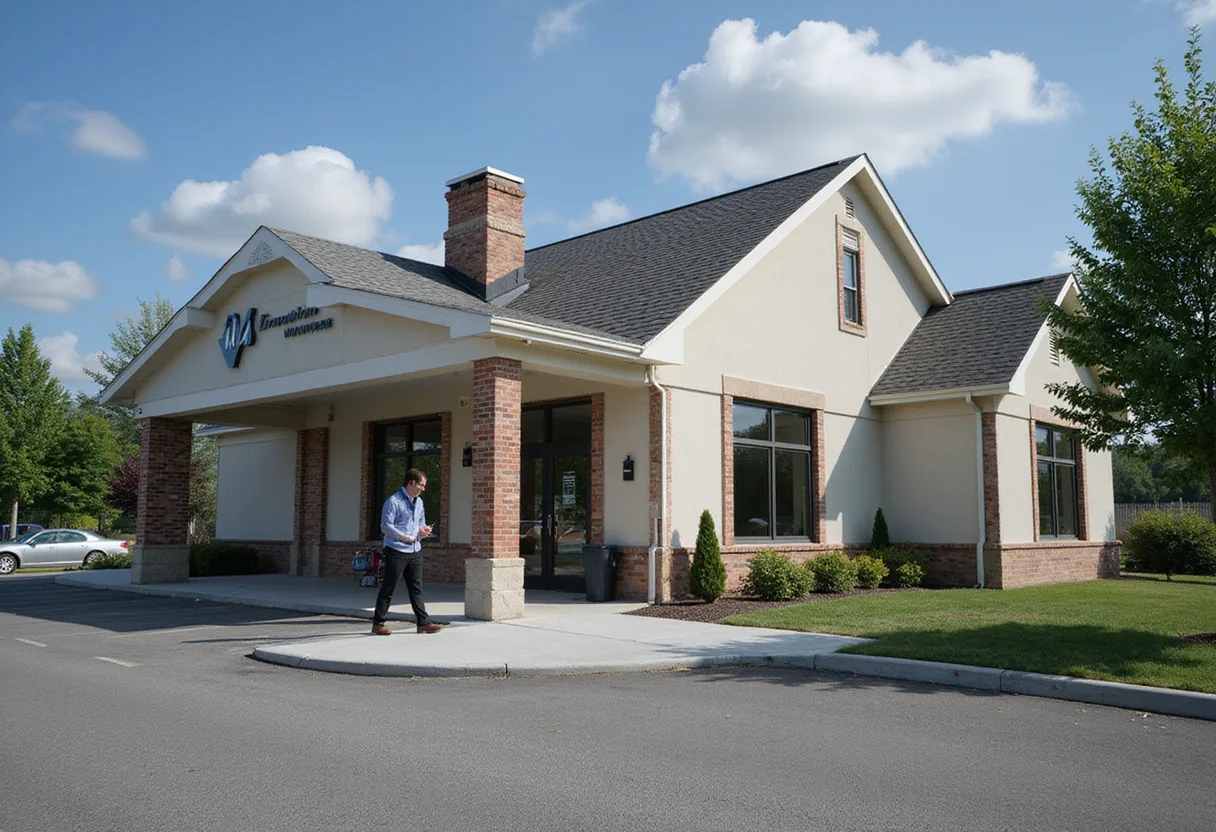
Colorado State University has opened a new facility on its campus built specifically around veterinary medicine and education, according to 9News in Denver.
The building joins one of the most closely watched veterinary campuses in the United States. CSU's veterinary program sits within a university long known for its animal-health research and its veterinary teaching hospital, and the new space extends that infrastructure with a dedicated focus on educating the next generation of veterinarians.
What the facility means for the profession
For practitioners, the significance of a new veterinary education building is straightforward: more and better-trained graduates entering a workforce that remains under strain. Veterinary colleges across the country have struggled to expand class sizes fast enough to meet demand from companion-animal practices, food-animal operations, and public-health agencies. Any physical expansion of training capacity at a major land-grant institution signals additional bench strength for the profession in the years ahead.
CSU has historically served as a regional anchor for veterinary training in the Mountain West, drawing students who go on to practice across Colorado, Wyoming, and neighboring states. New educational infrastructure at institutions of this scale tends to ripple outward — through expanded clinical rotations, more seats in professional programs, and stronger pipelines into specialty and referral practice.
Why education infrastructure matters now
The timing matters. Veterinary medicine faces well-documented staffing pressure, and schools are the chokepoint. Classroom space, simulation labs, and teaching hospitals determine how many students a college can admit and how much hands-on experience each one receives before graduation. A facility dedicated to veterinary education directly addresses that bottleneck.
For referring veterinarians in the Front Range and beyond, an enlarged educational footprint can also mean a larger clinical caseload capability at the associated teaching hospital, more residents entering specialty training, and more continuing-education programming flowing back to practicing clinicians.
The broader picture
Investment in veterinary education buildings has accelerated nationally as universities respond to sustained demand for veterinary services and persistent workforce shortages. CSU's new facility fits that pattern: physical expansion aimed squarely at training capacity rather than research alone.
Details on the facility's exact square footage, cost, specific programs, and opening timeline were not included in the initial report. Practitioners and prospective students watching the Colorado veterinary landscape should expect additional specifics from the university as the building comes into full use.
As the facility ramps up, its real measure will be the number of veterinarians it adds to the pipeline — and how quickly they reach clinics, farms, and public-health roles that need them.
Source: Google News: Veterinary medicine
Elena Vasquez
Show full bio
Market editor covering money, funding and market shifts around Small- and large-animal clinical practice at The Vet Scope.
Related articles
CSU cuts the ribbon on new Veterinary Hospital and Education Complex
CSU Opens Expanded Primary Care Suite for Veterinary Training
Arkansas State Opens Veterinary College, Seats First Class
Arkansas Opens First College of Veterinary Medicine at A-State
Lyon College Names New Dean for Its School of Veterinary Medicine