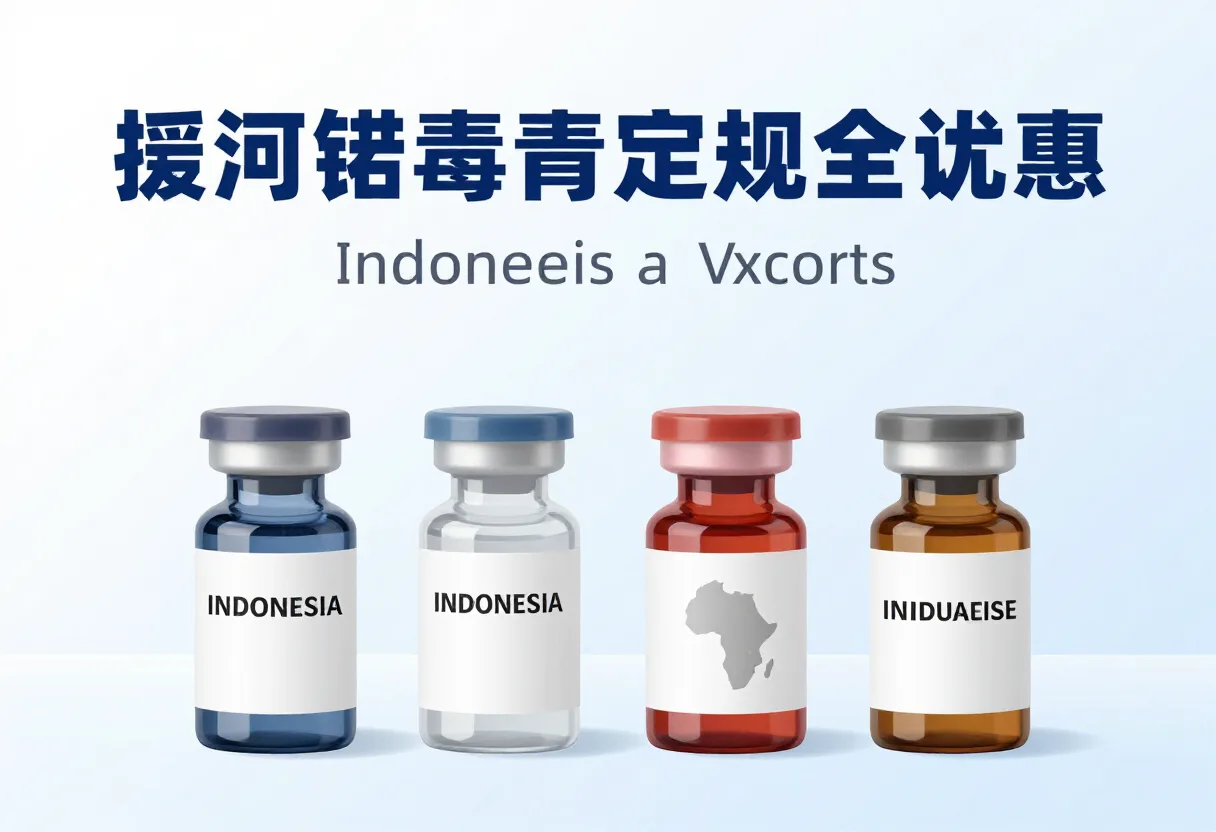
Vaksindo Expands Indonesian Animal Health Products Into African Markets
Indonesian vaccine maker Vaksindo is expanding into African animal health markets, a move set to sharpen competition in poultry vaccine supply across the continent's fastest-growing protein sector.
Updated
Vaksindo, the Indonesian animal health manufacturer, is taking its product portfolio to Africa, according to a report by avinews.com — a move that signals growing competition in a vaccine market where African poultry and livestock producers have long relied on European and Indian suppliers.
The announcement itself is the story. The avinews.com report, which consists of the headline confirmation of the expansion, does not yet detail which products Vaksindo will register first, which African countries it has prioritized, or the timeline for regulatory submissions. Those specifics will determine the practical impact for veterinarians and producers on the continent.
What the headline does establish is the direction of travel: an established Indonesian vaccine manufacturer sees commercial opportunity in African animal health. Vaksindo's home market position rests on poultry vaccines — Newcastle disease, infectious bursal disease and other viral targets that dominate vaccination programs in intensive poultry production. Africa's poultry sector, one of the fastest-growing protein markets in the world, requires exactly this class of products at price points that emerging-market manufacturers are positioned to meet.
For African practitioners, the entry of an additional Asian supplier matters for three reasons that will play out as registration details emerge.
First, procurement. Poultry integrators and hatcheries across Nigeria, Egypt, Kenya and wider Sub-Saharan markets currently source vaccines from a mix of multinational and regional producers. A new entrant with Indonesian manufacturing costs could sharpen price competition in tender processes and distributor negotiations.
Second, regulatory review. Every vaccine Vaksindo files in Africa will pass through national veterinary authorities, and in regional economic communities, through harmonized registration procedures. African regulators apply quality standards aligned with World Organisation for Animal Health guidance, and any Vaksindo dossier will be judged on the same documentation — seed strain, safety data, potency trials — as competing products. Veterinarians should watch which national agencies grant first approvals, as those decisions typically anchor subsequent regional registrations.
Third, cold chain and distribution. Vaccine efficacy at the point of use depends on distribution infrastructure. How Vaksindo partners with African distributors, and whether it establishes regional cold-chain hubs, will shape whether its products reach smallholder producers rather than only large integrators.
The broader context favors the company's timing. African demand for animal protein continues to climb, poultry expansion leads that growth in most markets, and governments across the continent have identified livestock vaccination as a priority for disease control and food security. Newcastle disease vaccination in village poultry systems remains one of the highest-impact interventions available in African food-animal medicine.
For Indonesian animal health, the expansion also marks an export milestone. Vaksindo joins a short list of Indonesian manufacturers seeking markets beyond Southeast Asia, reflecting both domestic manufacturing maturity and the search for growth outside a mature home market.
Companion-animal implications appear limited for now: nothing in the announcement addresses small-animal products, and Vaksindo's established portfolio is poultry- and livestock-oriented. Food-animal and public-health implications, by contrast, are direct — broader vaccine availability supports poultry flock health, reduces production losses, and strengthens vaccination coverage against zoonotic and transboundary diseases such as highly pathogenic avian influenza.
The Vet Scope will track the specifics as they surface: which products Vaksindo registers first, in which African jurisdictions, at what price points, and with which distribution partners. Those details will convert a headline about market entry into a practical answer to the question African veterinarians actually ask: what new tools arrive at the clinic, and what do they cost.
Until registration dossiers appear before African regulators, the expansion stands as a market signal rather than a product launch — a signal that the competitive map of animal health supply in Africa is widening eastward, and that veterinarians and producers stand to gain from the resulting competition on price and availability.
Source: Google News: Animal health industry
Daniel Okafor
Show full bio
News editor covering technology and product news in Small- and large-animal clinical practice at The Vet Scope.
Related articles
Indonesia Ships US$21.3M in Animal Vaccines to Four African Markets
Local Vaccine Output Expands Across Africa to Meet Livestock Demand
Livestock Health Demand Pushes Vaccine Production Toward Africa
Merck Animal Health to Acquire TARGAN, Extending Reach into Poultry Technology
Private manufacturers licensed to produce South Africa's homegrown FMD vaccine