New USU building completes Utah's first full veterinary medicine program
Utah State University has completed a new building that anchors the state's first full veterinary medicine program, ending reliance on out-of-state partnerships for the DVM degree.
Updated
Photo: Smithsonian Institution / Smithsonian · CC0
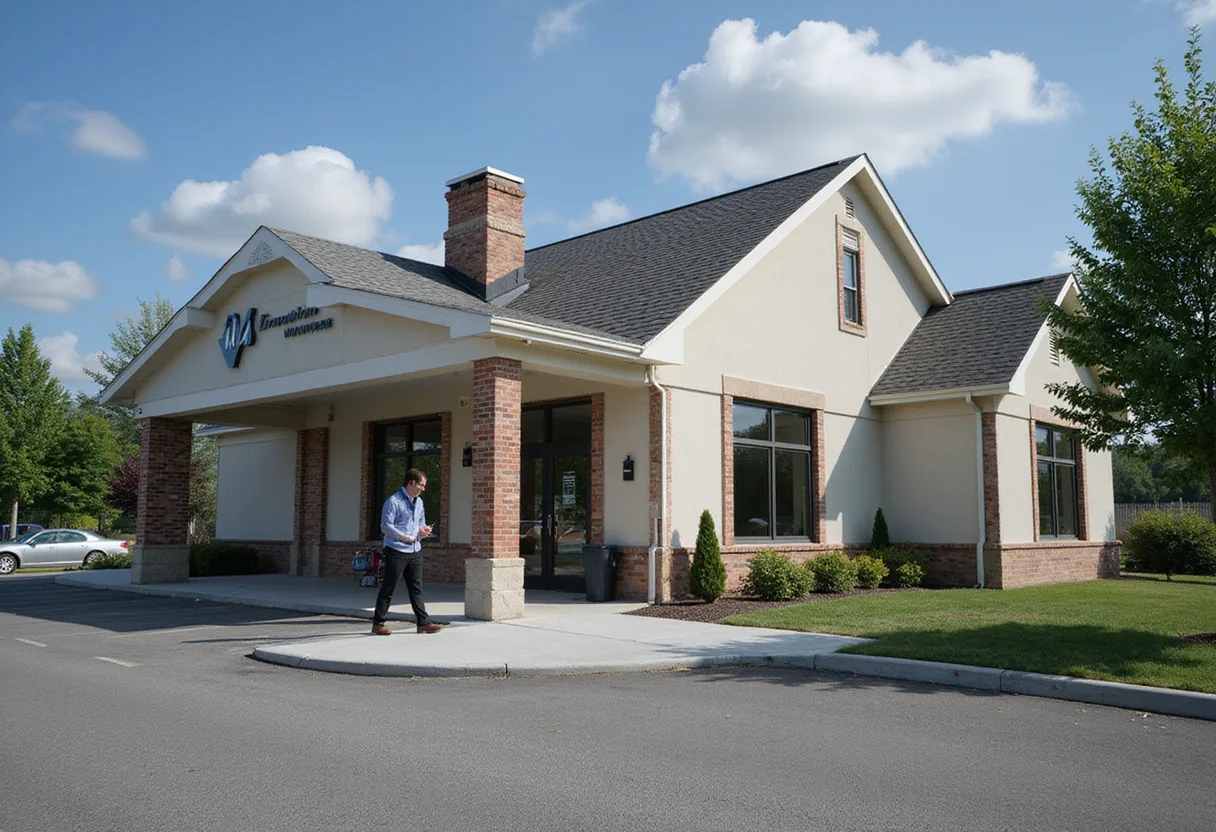
Utah State University has finished work on a new building that completes the state's first full veterinary medicine program, according to a KSL.com report on the development. The structure is the final piece of a curriculum USU has assembled to train veterinarians entirely in-state for the first time.
What does "full" mean for a Utah program?
Until now, Utah students seeking a Doctor of Veterinary Medicine degree have typically completed their training through partnerships with out-of-state schools. The new USU building lets the university offer the complete four-year professional sequence on a single campus, ending the patchwork arrangement that defined veterinary education in the state.
For prospective students, the change is structural rather than cosmetic. A full program means admissions, classroom instruction, clinical rotations and faculty research now sit under one institutional roof.
What changes for the state?
Utah has tracked a chronic shortage of rural and large-animal veterinarians, a pattern documented across the Mountain West. A self-contained USU program is positioned to retain more graduates in-state and to align clinical training with the species mix of regional practice, from beef and dairy operations to companion-animal hospitals along the Wasatch Front.
The building itself, described in the KSL.com report as the linchpin of the program, will house the laboratories, teaching spaces and clinical infrastructure the curriculum requires.
How does this fit the broader USU trajectory?
The veterinary program sits alongside USU's existing animal, dairy and range-science strengths, giving the university a vertical pipeline from undergraduate animal science to professional DVM training. The completion consolidates those assets into a single professional degree pathway.
The new building also signals an institutional commitment to research output in areas such as livestock health, public veterinary practice and One Health, subjects where USU faculty have long maintained active programs.
What the source does and does not yet detail
The KSL.com report identifies the building and the milestone it represents. Specific construction costs, square footage, opening dates, class size, faculty counts, and any tuition or accreditation timelines are not included in the headline-level reporting available at the time of this rewrite. Those figures will need confirmation from USU communications or the university regents as they are released.
Readers should also watch for the AVMA Council on Education accreditation status, which governs whether USU graduates can sit for licensure examinations in the United States. Full programmatic accreditation is a separate process from physical completion of a teaching facility.
Practice-level implications
For Utah practices, a self-contained USU pipeline matters in three concrete ways. First, recruitment pressure on small and mixed-animal clinics in rural counties may ease as in-state graduates enter the workforce. Second, continuing-education and referral relationships with a single in-state school are simpler to maintain than the cross-state arrangements Utah has relied on. Third, livestock producers along the I-15 corridor gain a more direct line to veterinary specialists trained on regional disease pressures.
A self-contained program also opens space for Utah-specific research priorities, including grazingland health, dairy antimicrobial stewardship and wildlife-livestock interface disease, topics with direct bearing on the state's agricultural economy.
What to watch next
The next reporting milestones are the formal opening date, the size of the inaugural DVM class, and the accreditation timeline USU files with the AVMA Council on Education. Those three figures will determine when the first class of Utah-trained veterinarians actually enters practice, and how soon the state's veterinary workforce begins to reflect the new pipeline.
Source: Google News: Veterinary medicine
Daniel Okafor
Show full bio
News editor covering technology and product news in Small- and large-animal clinical practice at The Vet Scope.
Related articles
USU cuts ribbon on Willis veterinary medical education building
Colorado State University Opens New Facility Dedicated to Veterinary Medicine and Education
CSU cuts the ribbon on new Veterinary Hospital and Education Complex
U of A College of Veterinary Medicine granted full accreditation
Lyon College Names New Dean for Its School of Veterinary Medicine