Six Routine Veterinary Tasks That Strain the Body
Six routine veterinary tasks drive most occupational strain in practice, per dvm360, which pairs each activity with concrete adjustments to cut injury risk.
Updated
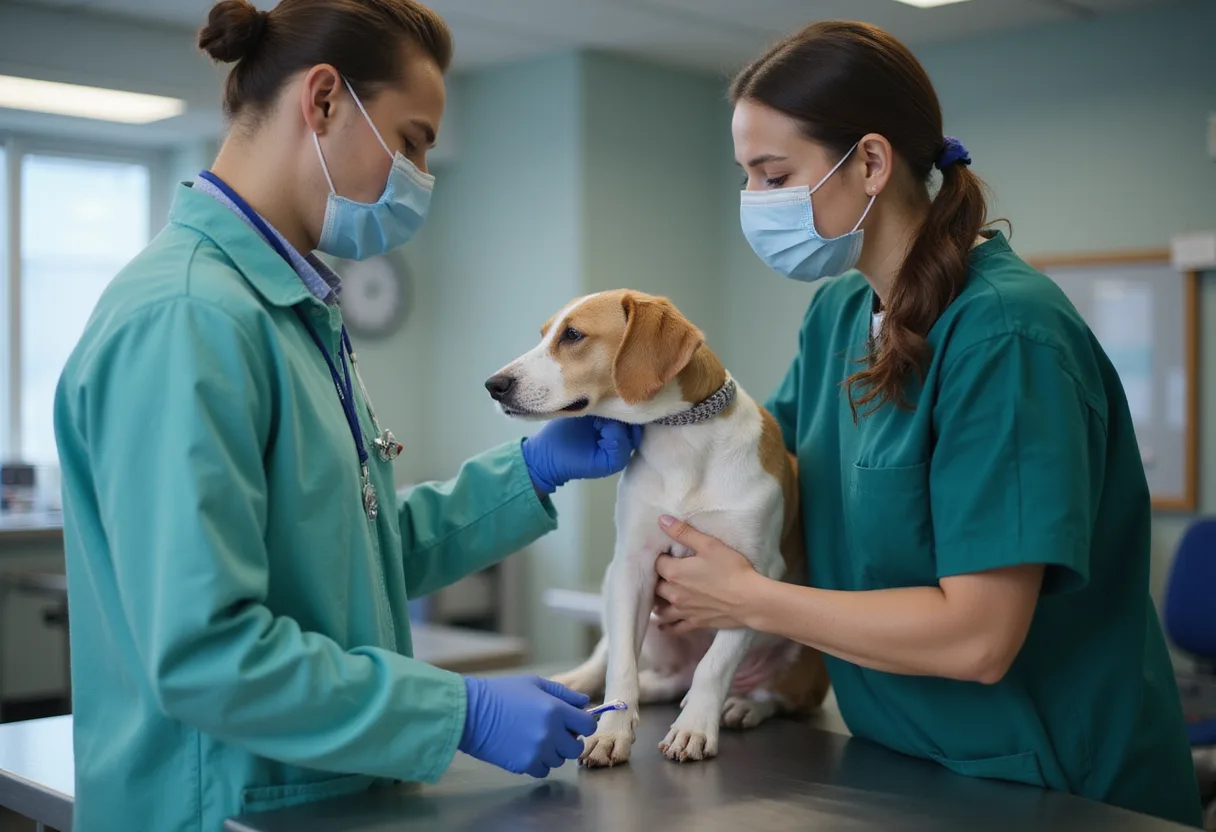
Photo: nattanan23 / pixabay
Six everyday veterinary tasks carry the bulk of occupational strain in clinical practice, according to an analysis published by dvm360, which pairs each high-risk activity with concrete steps to reduce injury.
The piece addresses a workforce problem practitioners already feel. Veterinary work is physical work. Restraint, lifting, table height and repetitive motion accumulate into musculoskeletal damage over a career, and the article frames prevention as a series of small, repeatable adjustments rather than equipment overhauls.
Which tasks carry the most risk?
The six routine activities dvm360 identifies share one feature: each repeats many times per week, so a poor technique compounds quickly. The categories include the standard physical demands of practice:
- Animal restraint during exams and procedures
- Lifting and moving patients onto and off tables
- Repetitive fine-motor work such as dental scaling and imaging positioning
- Sustained awkward postures during surgery
- Handling of heavy equipment and inventory
- Prolonged standing and workstation setups that force flexion
Each task gets a matched countermeasure in the source material. The common thread is mechanics. Adjust the environment to the body, not the body to the environment.
What changes at the exam table?
For practitioners, the practical value of the dvm360 breakdown lies in its specificity. Injury prevention here is not an abstract wellness message. It maps to named, daily actions.
Restraint technique matters most because it repeats most often. Lifting follows close behind, and the article's guidance points to team-based lifting and surface-height adjustment as the levers clinics actually control. Surgical and dental work demand attention to table height, monitor placement and magnification, because sustained neck and back flexion during long procedures is where cumulative strain quietly builds.
The takeaway for practice owners: budget line items for adjustable tables, lifting aids and anti-fatigue flooring cost less than a single lost-time injury claim.
Why this matters for retention
Occupational strain connects directly to the profession's staffing problem. A team member sidelined by a back injury removes clinical capacity at exactly the moment practices cannot spare it. Prevention protocols, written into onboarding and reinforced at huddle level, function as retention infrastructure.
Solo practitioners and relief veterinarians face a sharper version of the same equation. Without colleagues to share lifting and restraint loads, technique and equipment do all the protective work.
The dvm360 analysis treats ergonomics as a clinical skill, equal in standing to any technical procedure, and its six-task structure gives practices a checklist they can audit against this week.
Source: Google News: Veterinary medicine
Elena Vasquez
Show full bio
Market editor covering money, funding and market shifts around Small- and large-animal clinical practice at The Vet Scope.
Related articles
DVM 360 Revisits the Physical Toll of Veterinary Practice
DVM 360 asks whether pain is 'just part of the job' for veterinarians
Three Pressures, One Poll: dvm360 Survey Names Burnout, Pay, Corporate Ownership
Wearable Technology Is Reshaping Veterinary Care for the Racehorse
NASPHV Updates Zoonotic Disease Prevention Compendium for Veterinary Personnel