NASPHV Updates Zoonotic Disease Prevention Compendium for Veterinary Personnel
NASPHV has updated its zoonotic disease infection prevention compendium for veterinary personnel, revising guidance around layered interventions and a hierarchy-of-controls approach.
Updated
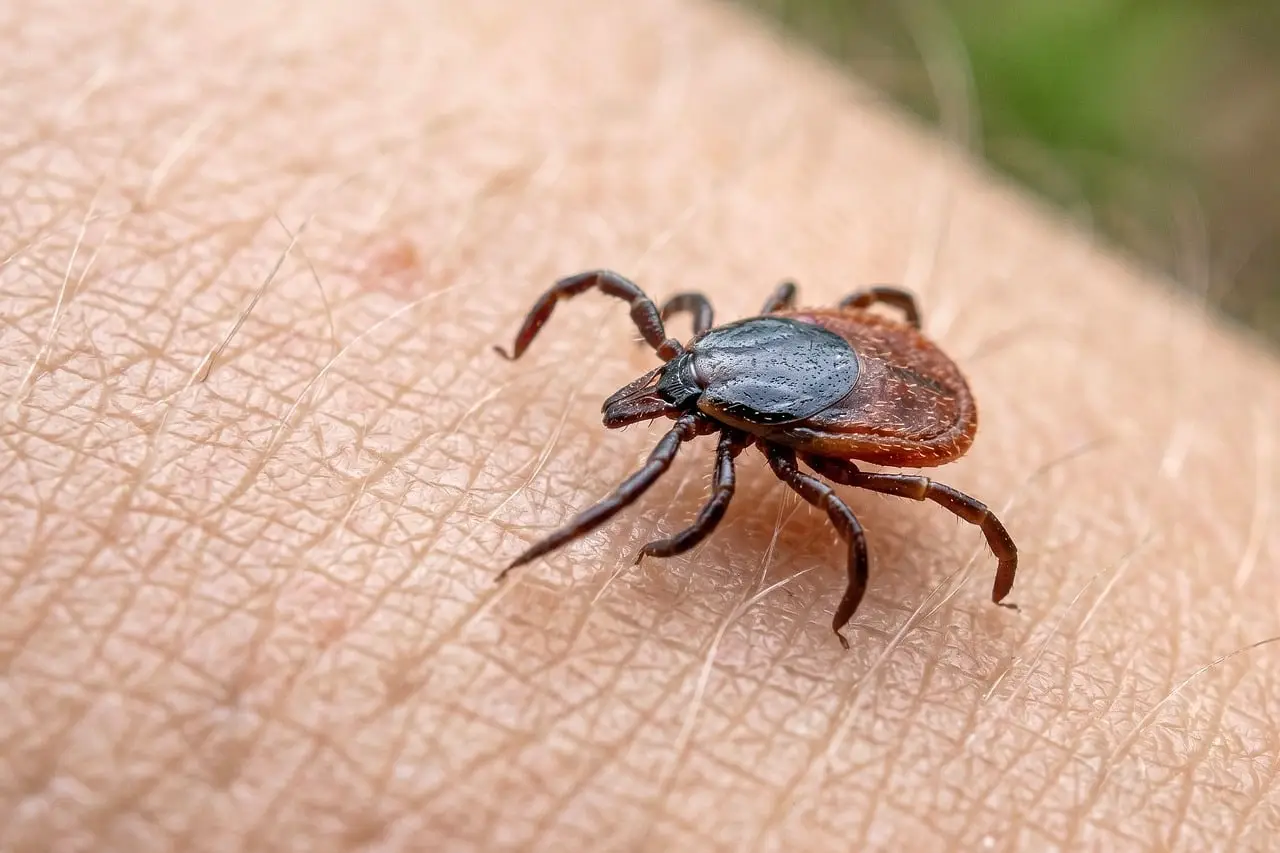
Photo: Caniceus / pixabay
The National Association of State Public Health Veterinarians (NASPHV) has updated its "Compendium of Zoonotic Disease Infection Prevention and Control in Veterinary Personnel," revising the document to reflect advances in preventing and controlling zoonotic infections in veterinary practices.
The revision arrives from an organization whose guidance functions as the reference standard for occupational infection control in animal health settings across the United States. State public health veterinarians wrote the compendium for the people who handle animals every day: veterinarians, technicians, assistants, and support staff whose work exposes them to pathogens that move between animals and humans.
What changed in the guidance?
The updated compendium organizes its recommendations around two organizing principles: layered interventions and a hierarchy-of-controls approach.
Layered interventions stack multiple protective measures on top of one another, so that no single practice, product, or behavior carries the entire burden of preventing transmission. If one layer fails or performs poorly on a given day, the remaining layers continue to work.
The hierarchy-of-controls approach ranks protective measures by their reliability. In this framework, measures that eliminate or engineer away a hazard sit at the top and carry the greatest weight, while measures that depend on individual behavior — training, signage, personal protective equipment used correctly and consistently — occupy lower tiers. Public health and occupational safety programs have long used this ranking because engineered and administrative controls fail less often than human vigilance does.
Applied to a veterinary practice, the approach asks a foundational question: can the exposure be removed or reduced at its source before anyone must remember to wash a hand, don a glove, or read a label?
Who does the compendium address?
The document targets veterinary personnel specifically. NASPHV, an association of state public health veterinarians, frames zoonotic infection prevention as an occupational duty that belongs to the practice itself — embedded in facility design, workflow, and policy — rather than a task assigned only to individual workers.
The compendium covers prevention and control of zoonotic infections in veterinary settings, and the update reflects advances in both areas since the prior edition. NASPHV states that the revision captures progress in how practices can prevent these infections and how they can control them once the risk is present.
Why does this matter at the exam table?
For practicing veterinarians and hospital managers, an updated NASPHV compendium functions as a benchmark. Practices that review their infection control programs against the new document can check whether their protocols reflect the current layered, hierarchy-of-controls thinking — and can identify gaps where a single, behavior-dependent safeguard stands alone without backup.
Because state public health veterinarians produce the guidance, it also carries weight with regulators, accreditors, and insurers who evaluate occupational safety in veterinary medicine. A practice aligned with the compendium can point to a recognized national reference when justifying its protocols.
The update also serves a public health function. Veterinary personnel occupy a sentinel position in zoonotic disease surveillance: they often encounter animal infections before human cases appear. Protecting that workforce protects the wider community, and the compendium's emphasis on engineered, layered protection reflects that broader stake.
What comes next?
Practices, veterinary schools, and professional organizations now face the task of translating the revised compendium into written protocols, facility decisions, and training programs. How quickly the hierarchy-of-controls approach reshapes day-to-day infection control in clinics will become clear as the updated document circulates through the profession.
Source: AVMA News
Nathan Brooks
Show full bio
Senior reporter covering companies, deals and strategy in Small- and large-animal clinical practice at The Vet Scope.
Related articles
WHO Commends Indonesia's One Health Leadership on Zoonoses
CIRAD Signs ASEACA Project to Counter Zoonotic Emergence Risks
Wildlife trade linked to 40 years of animal-to-human pathogen spread
India's Central Government Prepares National Action Plan on Zoonotic Diseases
New BVA President Declares Disease Resilience a 'Major Focus'