Euthanasia Protocols for Exotic Pets: What the Evidence Shows
Intracardiac lidocaine failed in geckos and cloacal pentobarbital leaked in 75 percent of sliders — a new review parses which exotic euthanasia routes hold up.
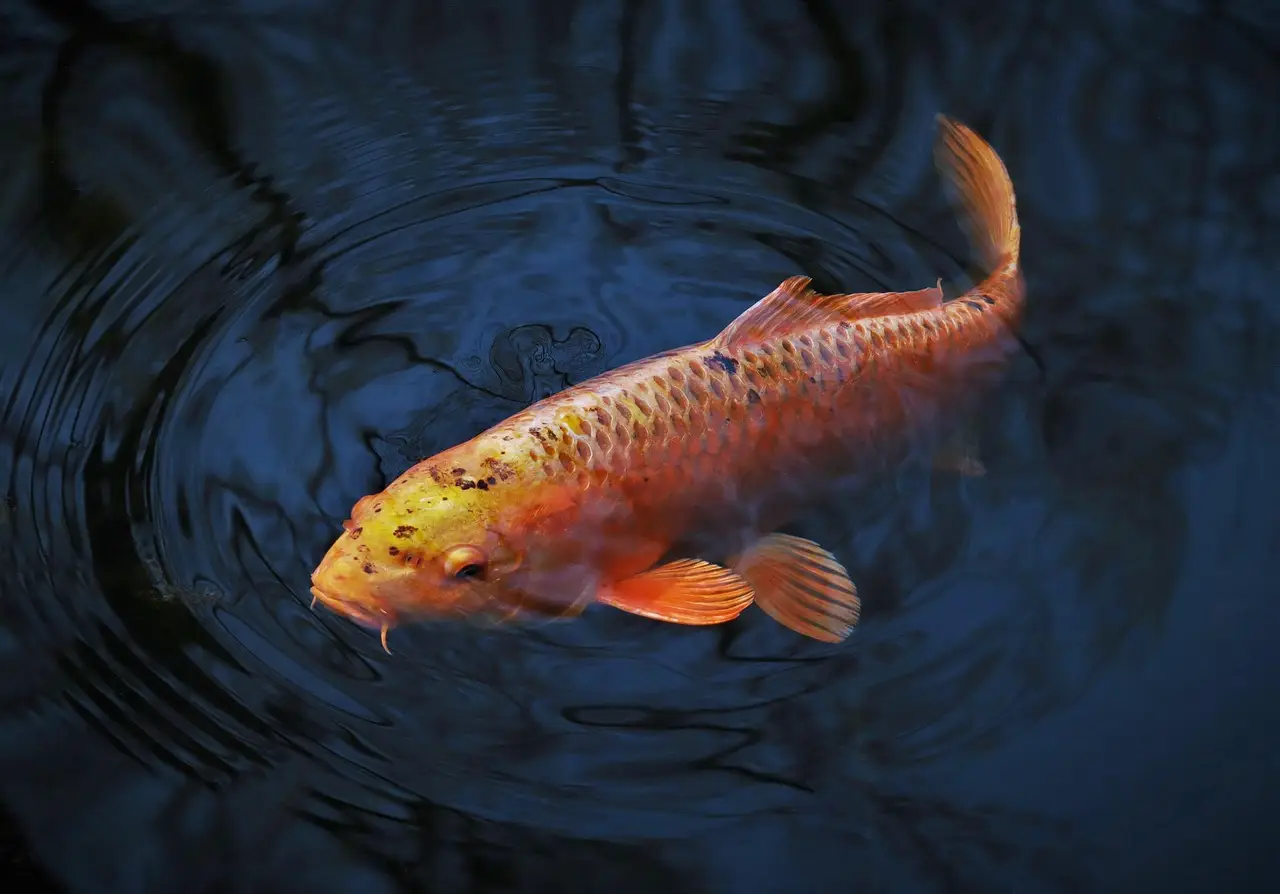
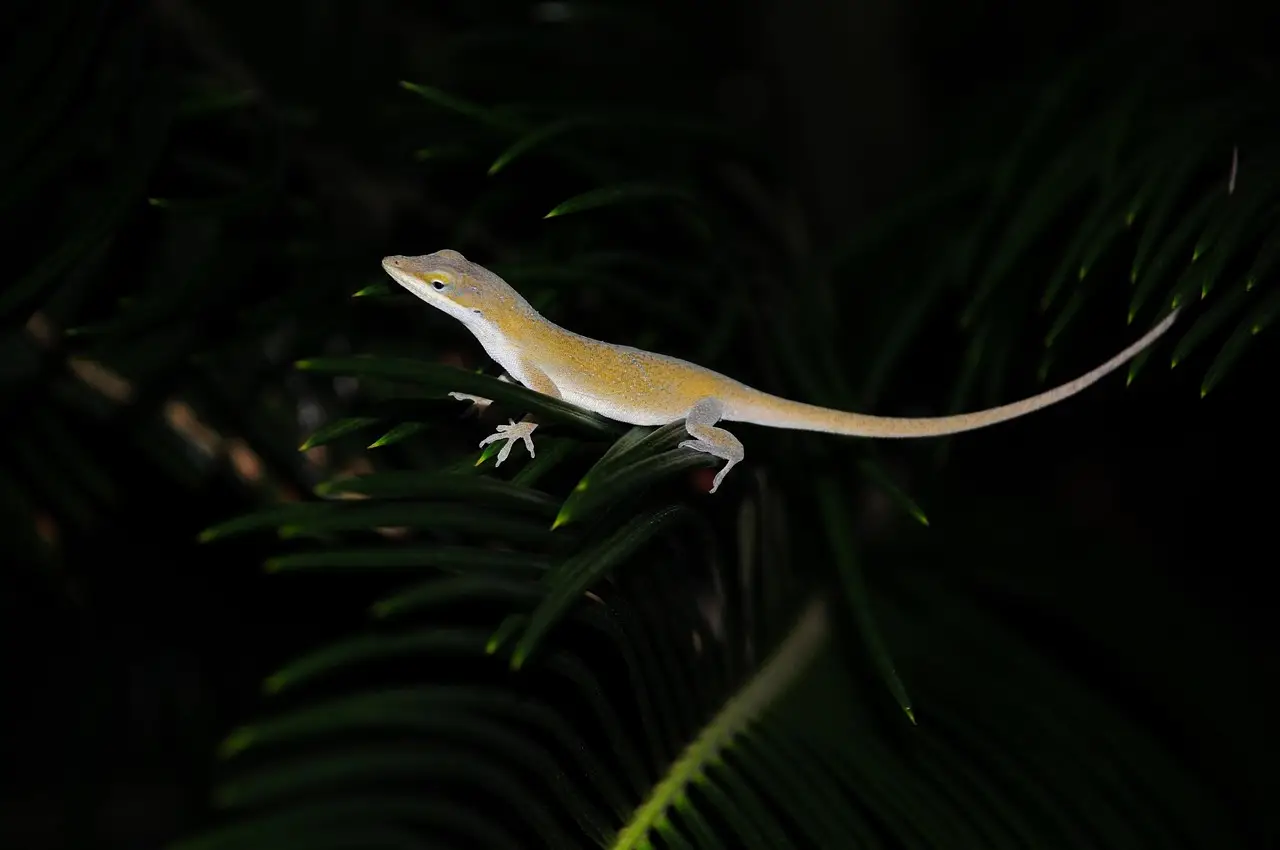
Photo: anselmo7511 / pixabay
A goldfish heart can keep beating for up to four hours after decapitation, which is why the AVMA's 2020 Guidelines for the Euthanasia of Animals treat heartbeat as an unreliable sign of life in exotic species — and why clinicians working with fish, reptiles, birds and small mammals need taxon-specific euthanasia protocols, according to a clinical review by Olivia A. Petritz, DVM, DACZM, associate professor of Avian and Exotic Animal Medicine at North Carolina State University.
Good euthanasia, the review states, minimizes pain, anxiety and distress through rapid loss of consciousness, then cardiac and respiratory arrest, then loss of brain function. Assessing that last step is hardest in zoological companion animals. How do you confirm respiratory arrest in an aquatic turtle that breath-holds by design? How do you gauge pain in a fish or a snake? The AVMA guidelines, free online and last updated in 2020, rank methods as acceptable, acceptable with conditions, or unacceptable for each taxon.
What does the evidence say about fish?
Hypothermia and anoxia — including desiccation out of water — are unacceptable for fish under AVMA guidelines. Recent pharmacology data sharpen the picture:
- Balko et al. (JAVMA, 2018) found prolonged immersion in buffered MS-222 (tricaine methanesulfonate) at 1,000 mg/L — five to ten times the anesthetic dose — killed only seven percent of adult goldfish, a hypoxia-tolerant species.
- A 2022 JAVMA study found the same 1,000 mg/L dose did euthanize juvenile goldfish.
- In juvenile red head Tapajos eartheaters (Geophagus pyrocephalus), continuous topical delivery of MS-222 or clove oil over the gills produced a statistically slower mean time to cardiac arrest than immersion bath (Journal of Zoo and Wildlife Medicine, 2025).
The recommended approach for companion fish is two-step: general anesthesia by immersion in buffered MS-222 at 300–500+ mg/L for at least 30 minutes after opercular cessation, followed by pithing, decapitation, or intracardiac injection of KCl (10 mEq/kg) or pentobarbital. The heart sits immediately caudoventral to the gills.
Why is reptile euthanasia so slow?
Reptiles resist hypoxia, metabolize slowly, and offer difficult vascular access, so euthanasia can take hours. A heart can beat even after removal into formalin. EEGs lack published normal values for any reptile species, so clinicians should confirm arrest by Doppler or ultrasound — listening for one to two minutes, because heavily sedated reptiles have slow rates. Hypothermia alone is unacceptable.
A leopard gecko study (Knutson et al., 2022) sedated animals with alfaxalone at 20 mg/kg IM, then compared routes. Intracardiac pentobarbital (800 mg/kg), KCl (10 mEq/kg) and lidocaine (100 mg/kg) all produced instantaneous cardiac arrest; intracoelomic pentobarbital took 30–35 minutes. But complications changed the calculus. Six of nine geckos given intracardiac KCl had severe muscle spasms severe enough to right themselves after arrest. Six of nine given intracardiac lidocaine showed spontaneous return of respiration and heartbeat five to six hours post-arrest. Neither drug is recommended at these doses in this species. Petritz adds that IV or intracardiac KCl after pentobarbital, once the reptile is unconscious, hastens arrest in her clinical experience.
Transmucosal routes show pitfalls too. In red-eared sliders given pentobarbital at 100 mg/kg (Ready and Keller, AJVR, 2023), 75 percent of the cloacal group leaked solution and needed rescue IV injection; respiratory arrest took roughly 15 minutes, but cardiac arrest averaged 18 hours (range six to 26). The oral route worked but stayed prolonged. In bearded dragons, pentobarbital-phenytoin at 100 mg/kg PO followed by 400 mg/kg 20 minutes later averaged six hours to arrest, with leakage and four lizards showing possible pain behaviors. Feral green iguanas needed rescue IV doses at both 100 and 200 mg/kg.
What changes for birds and small mammals?
For non-poultry birds, IV barbiturate is acceptable, and the AVMA specifies the injection must not cause fear or distress in a conscious bird — so heavy sedation or anesthesia is strongly advised. Preferred vessels are the right jugular, medial metatarsal and ulnar; in small birds, only the jugular may suffice, and injections go directly into the vessel rather than a catheter. Intracardiac, intracoelomic or intraosseous routes are acceptable only in unconscious birds and must avoid air sacs and pneumatized bones such as femur and humerus. Thoracic compression in a conscious bird is unacceptable.
Small-mammal protocols mirror those for dogs and cats, with one exception worth noting: an intrarenal pentobarbital route (3 mL/rabbit) in New Zealand White rabbits, though AVMA-acceptable in unconscious animals, was significantly slower than IV, and 30 percent of rabbits needed a rescue IV dose (LeGrand et al., 2025).
What about carcass disposal?
Pentobarbital residues can kill wildlife scavengers, including bald eagles, through secondary intoxication. Burial laws vary regionally, so the review advises educating clients on disposal risks — ideally through a signed euthanasia consent form.
As transmucosal and alternative-route studies accumulate across taxa, expect protocol recommendations to keep shifting toward combinations that pair reliable sedation with a confirmatory second step.
Source: Veterinary Practice News
Grace Kim
Show full bio
Staff writer covering regulation, policy and their impact on Small- and large-animal clinical practice at The Vet Scope.
Related articles
Fredna Vet Diagnostics CT-Scans an Indian Spectacled Cobra
FDA Clears Eugenol Sedative for Freshwater Finfish in Latest Animal Drug Approvals
Seven Dogs, No Ventilators: sPLA2 Inhibitor Shows Promise in Coral Snake Bites
Low-Stress Handling of Cardiac Cats: What Technicians Should Change Now
CatsOnly First U.S. Practice to Open With CAETA Certification