Low-Stress Handling of Cardiac Cats: What Technicians Should Change Now
A cat with HCM can decompensate from a single struggle. New technician guidance details low-stress handling, oxygen-first protocols, and a case where less contact changed the outcome.
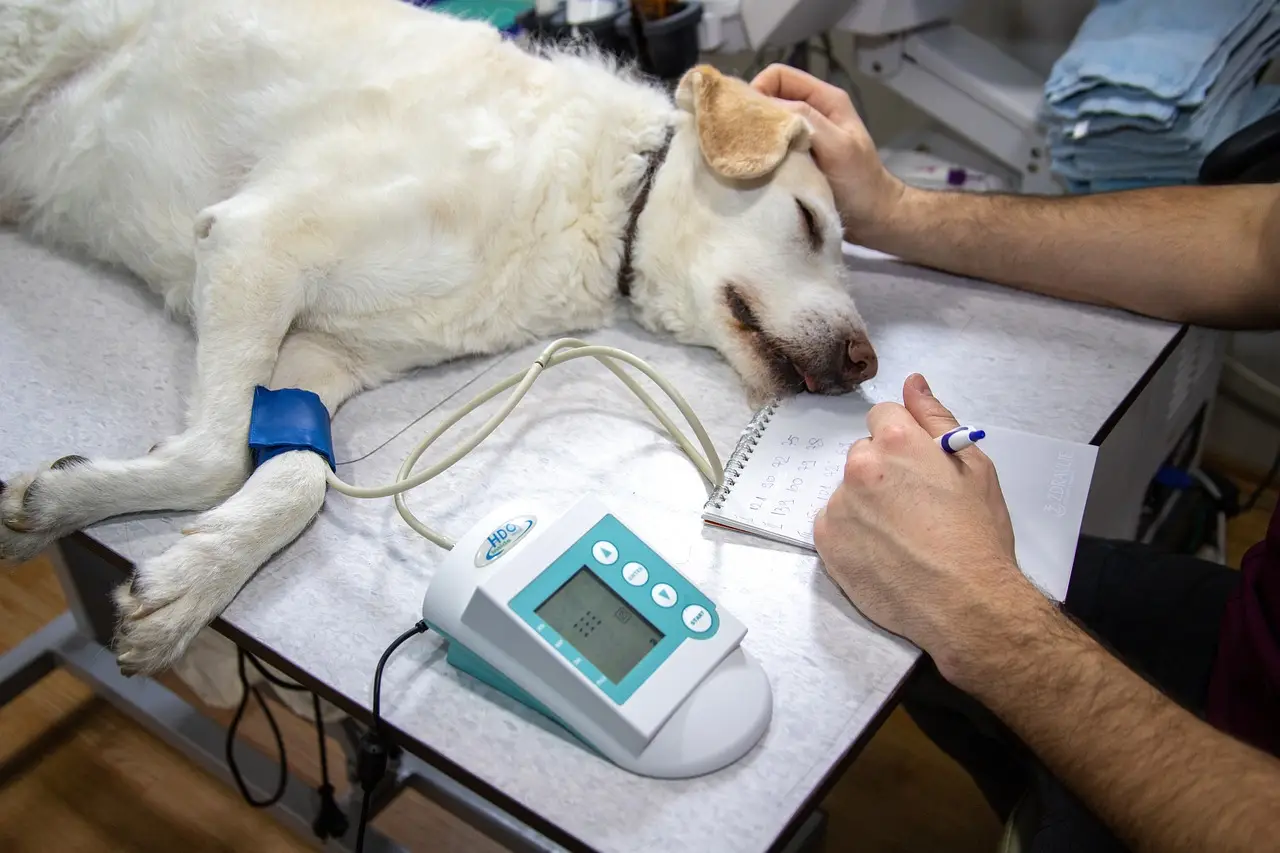
Photo: mirkosajkov / pixabay
A nine-year-old male domestic shorthair presented with open-mouth breathing at roughly 80 breaths per minute, and the intervention that stabilized him was not a drug — it was a decision to stop handling him. The case, described by Beth Armstrong, CVT, CVBL, CFE, CCFP, CFT, CTP, FT, in Veterinary Practice News, shows why feline cardiac patients sit in a category of their own: routine restraint can push a compensated heart into respiratory distress or decompensated failure.
Why stress is physiological, not just behavioral
Stress releases catecholamines such as epinephrine and norepinephrine. A healthy cat manages that response. A cardiac cat does not. The result can be tachycardia, increased myocardial oxygen demand, elevated blood pressure, arrhythmias, and worsening pulmonary edema.
Cats with hypertrophic cardiomyopathy (HCM) — the most common feline cardiac disease — already have reduced ventricular compliance. Their hearts cannot adapt to increased demand, so decompensation arrives fast. The takeaway for the exam table: in these patients, stress is a clinical risk, and handling is a clinical intervention.
What changes at intake?
Low-stress handling starts before touch. Armstrong recommends:
- Noise reduction, dim lighting, and limited room traffic
- Rapid movement from the waiting area to a quiet space
- Leaving the cat in the carrier for initial visual assessment
- Focusing first on respiratory rate, effort, and posture
A quiet observation often yields more useful data than a rushed physical exam. Many cats feel safest inside the carrier.
Technicians should also read early stress signals: dilated pupils, tail movement, ear rotation, rising respiratory rate, and body tension. Advanced signs — open-mouth breathing, cyanosis, vocalization with labored breathing, collapse — demand immediate reassessment, because continued restraint can worsen the patient's condition.
How should restraint change?
Traditional restraint is often inappropriate. The goal is minimal restraint with controlled support. Armstrong's specifics:
- Support the chest and hindquarters; keep movements slow and deliberate
- Avoid scruffing, which increases physical and psychological stress
- Keep cats sternal whenever feasible; forced lateral positioning worsens respiratory effort
- Use towels for gentle containment and reduced visual stimuli — even partial draping calms some cats
- Cluster procedures to limit the frequency of handling
Sedation deserves reconsideration too. Appropriate sedation is frequently safer than struggling, because it reduces catecholamine release and lowers heart rate. It suits fractious or highly stressed patients and those needing diagnostics that cannot be delayed. Technicians play a role in recognizing the need and advocating for it.
Oxygen before diagnostics
In any cardiac cat showing respiratory compromise, oxygen comes first. Oxygen cages minimize handling. Flow-by oxygen works as an initial step while a stable setup is prepared. Nasal oxygen suits select cases — only if tolerated. Radiographs and blood draws attempted before stabilization can worsen distress and increase risk.
When diagnostics do proceed, adapt them: take blood pressure in a quiet environment with minimal restraint (Doppler methods are often faster and more reliable in cats); perform radiographs only after stabilization, with pre-oxygenation considered and positioning aids used to cut handling time; assign blood draws to experienced staff at the least stressful site, limiting attempts.
What does the case show?
The shorthair, Oliver, presented with acute tachypnea of 24 hours' duration and no known cardiac history. The initial plan called for rapid removal, radiographs, and IV catheter placement. A technician intervened and advocated for immediate stabilization instead. Oliver stayed in the bottom half of his carrier on flow-by oxygen, with visual assessment only, dim lighting, and minimal personnel.
After roughly 10 minutes, his breathing improved to closed-mouth respiration. A single technician performed a brief exam in sternal positioning; sedation followed under a veterinarian's direction. Radiographs confirmed pulmonary edema consistent with congestive heart failure secondary to suspected HCM. Oxygen and diuretics stabilized him, and he went home 48 hours later with a long-term plan.
Immediate restraint and diagnostics, Armstrong notes, would likely have worsened his condition.
Hospitalization and the home front
Hospitalized cardiac cats need consistency: easy access to food, water, and litter; soft bedding; no high-sided litter boxes; clustered treatments; and monitoring built on resting respiratory rate, breathing effort, posture, and appetite — indicators that read reliably only when the patient is calm.
Owners should learn to monitor resting respiratory rate at home, recognize early distress, keep the home environment calm, and administer medication within consistent routines. Treats help in stable patients but not those with respiratory compromise.
Team alignment anchors all of it. Shared expectations for handling, clear communication on patient status, and post-case discussion drive better outcomes — and technicians, Armstrong writes, often lead that cultural shift. The guidance aligns with the AAFP Feline-Friendly Handling Guidelines (J Feline Medicine and Surgery, 2011) and ISFM consensus guidelines on feline stress management (2022), and as cardiac cats keep filling both general and emergency caseloads, practices that treat handling itself as a clinical intervention will be the ones that stabilize more of them.
Source: Veterinary Practice News
Grace Kim
Show full bio
Staff writer covering regulation, policy and their impact on Small- and large-animal clinical practice at The Vet Scope.
Related articles
Washington State University Team Develops Test to Flag Cat-Toxic Drugs
FelineVMA Opens Free Resource Center on Feline Visit Stress
Elanco unveils weight-gain therapy for chronically ill cats
Two Brother Cats Become First Documented Feline Marfan Syndrome Cases
Feline infectious peritonitis column points to new hope for cats