Texas Cattle Producer Tracks New World Screwworm Threat
A Texas cattle producer is monitoring for New World Screwworm as the parasite's threat moves northward, putting wound checks and reporting protocols back on the agenda.
Updated
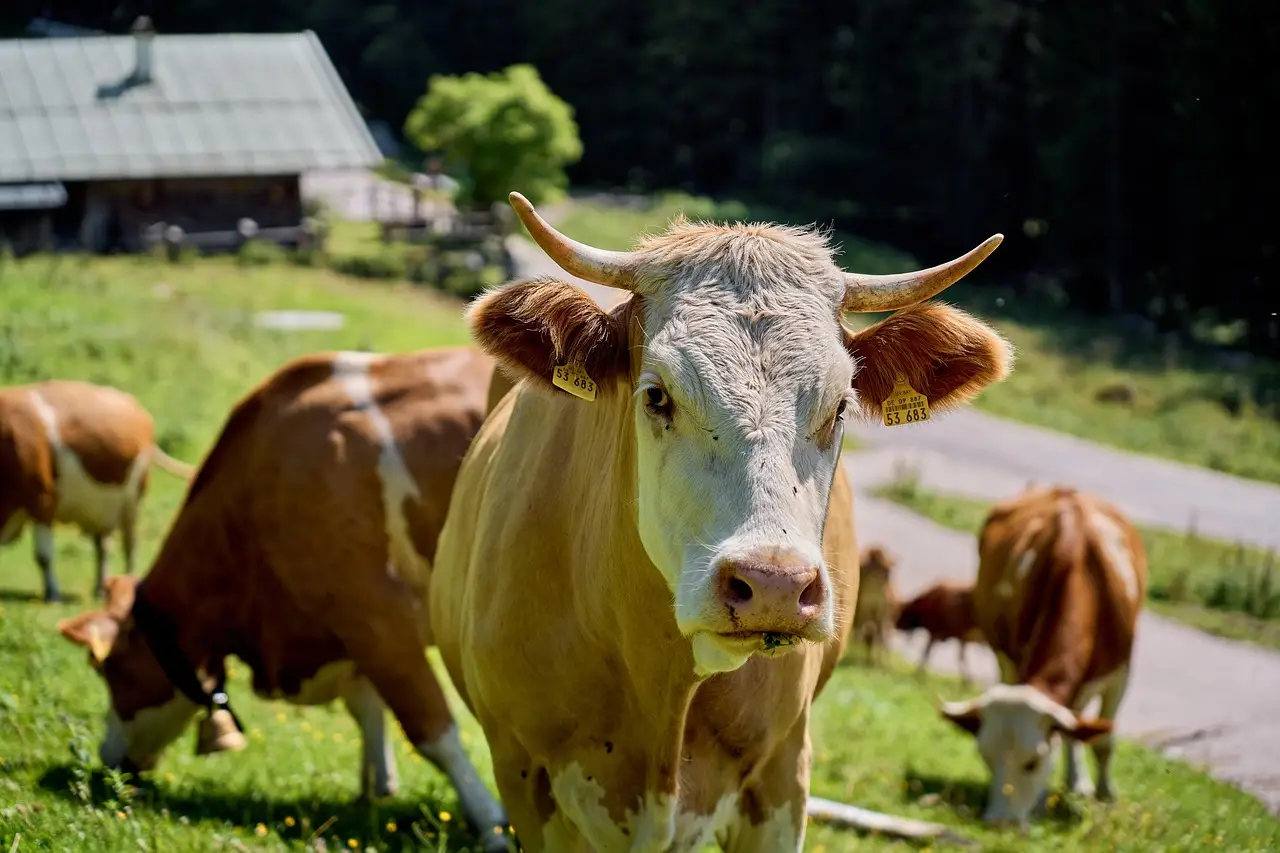
Photo: 12019 / pixabay
A Texas cattle producer is actively monitoring for New World Screwworm, according to a report from Brownfield Ag News, a signal of how closely food-animal operations along the southern border now track a parasite whose return would carry direct consequences for herd health and marketing.
The report centers on one operation, but the practice it describes — routine surveillance for screwworm myiasis — reflects the current posture of cattle producers across Texas as the pest's range has moved northward through the Americas.
Why does a single producer's monitoring matter?
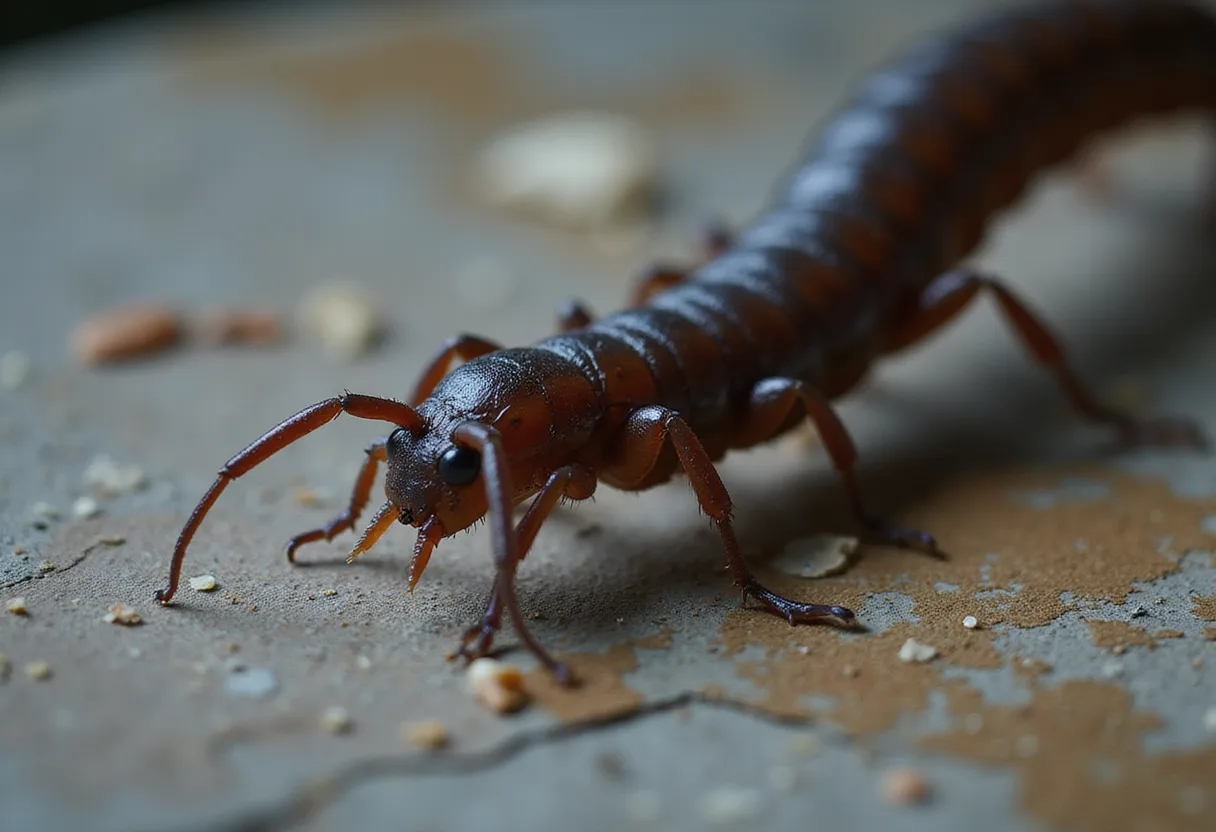
New World Screwworm, the larva of the fly Cochliomyia hominivorax, feeds on the living tissue of warm-blooded animals. Females lay eggs in open wounds — a branding cut, a calving tear, a tick bite — and the larvae enlarge the lesion as they feed. Untreated infestations kill.
The United States eradicated the parasite decades ago and has kept it out through the sterile insect technique, in which irradiated male flies released over wide areas mate without producing offspring. That program pushed the fly barrier south over generations of sustained effort, and the current frontline sits in Central America.
Monitoring at the ranch level therefore serves as the earliest detection layer. A producer who checks wounds regularly, reports suspicious larvae, and coordinates with veterinarians shortens the gap between arrival and response.
What does this change at the chute?
For practitioners and producers, the Brownfield report underscores the practical items:
- Examine every wound on every animal; screwworm larvae differ from common maggots by feeding on living rather than dead tissue.
- Report suspected cases immediately to state or federal animal health authorities; New World Screwworm is a reportable disease in the United States.
- Treat and dress wounds promptly, since open lesions are the primary entry point for egg-laying flies.
USDA Animal and Plant Health Inspection Service (APHIS) maintains the regulatory framework for screwworm surveillance and response, and any confirmed detection would trigger federal involvement rather than remain a farm-level problem.
What is at stake for the industry?
The historical record gives the stakes their weight. Before eradication, screwworm infestations killed livestock across the American South and Southwest in numbers that made the pest one of the costliest animal-health problems of its era. The eradication program itself became the template for sterile-insect campaigns worldwide.
Reintroduction would touch three distinct spheres:
- Food-animal health: cattle, sheep, goats and swine would face wound infestations during branding, calving and shearing seasons.
- Trade and regulation: a confirmed U.S. case would trigger movement restrictions and quarantine measures under APHIS authority.
- Public health: the fly infests any warm-blooded host, including humans, so an animal outbreak carries zoonotic implications.
What comes next?
The Texas producer's monitoring, as reported by Brownfield Ag News, will continue alongside federal surveillance; whether the parasite reaches U.S. herds depends on the barrier maintained in Central America and on how quickly producers and veterinarians detect and report any first case.
Source: Google News: Livestock health
Nathan Brooks
Show full bio
Senior reporter covering companies, deals and strategy in Small- and large-animal clinical practice at The Vet Scope.
Related articles
New World Screwworm Advances North in Mexico, Texas On Alert
New World Screwworm Advance in Mexico Puts Texas Producers on Alert
New Screwworm Cases Reach New Mexico as U.S. Detections Rise
New World Screwworm Case in Texas Triggers Movement Restrictions
USDA APHIS Calls for Reports of Suspected Screwworm Cases