Pet-Directed Speech Linked to Repeat Visits in 400-Owner Survey
A 400-owner survey in Vet Record found 86% would return to a veterinarian who spoke directly to their pet, and 65% rated the practice very or extremely important to client choice.
Updated
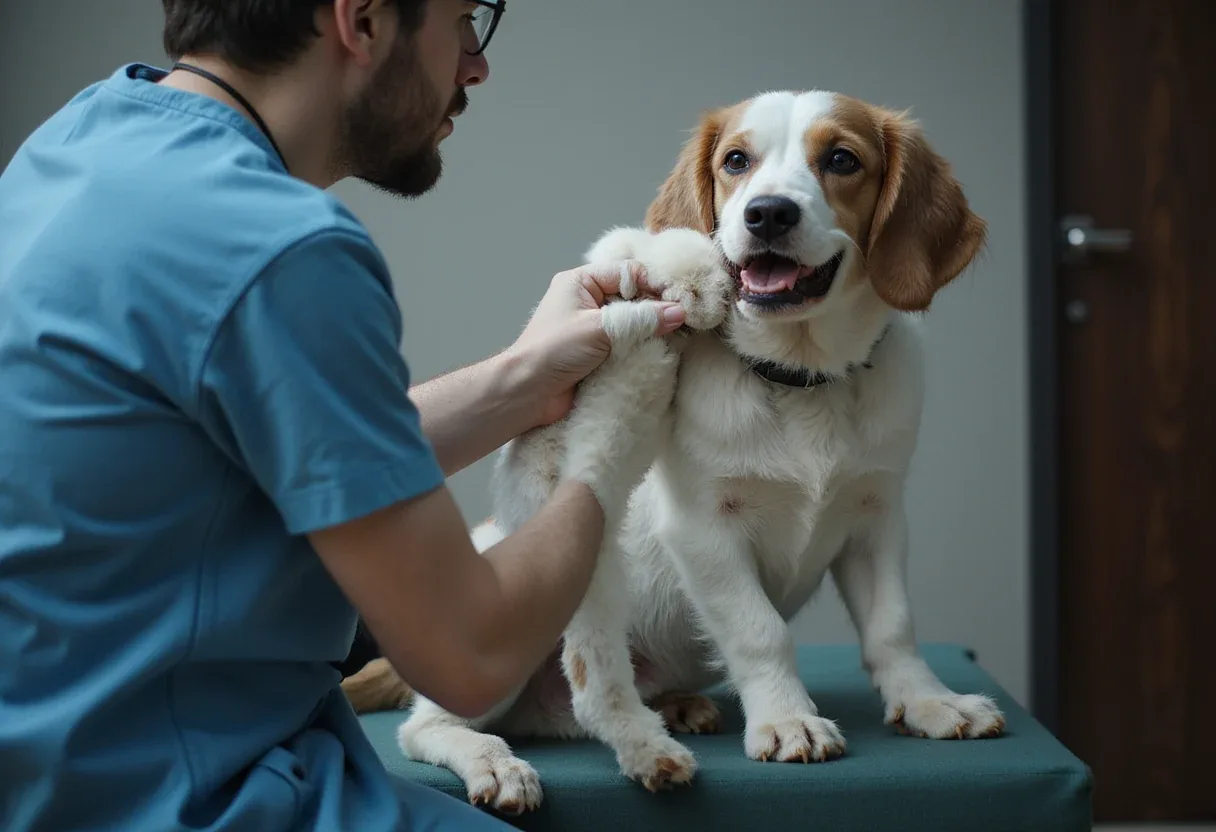
Photo: AI-generated
Veterinarians who speak directly to a pet during a consultation retain 86% of surveyed owners as repeat clients, according to a 400-respondent online survey published in Vet Record. The study examined pet-directed speech and its influence on client perceptions of veterinary care, marking what the authors describe as the first published examination of owner experiences with the communication style.
How was the study conducted?
Investigators used an online questionnaire distributed through snowball sampling. Of the 400 respondents, 87% were non-veterinary professionals and 76% owned at least one dog. The team asked participants about veterinarians who addressed their animals during consultations, and how that practice shaped their views of clinical skill and overall professionalism.
Four themes surfaced in the free-text responses. Clients valued having their "pet at the center" of the visit. They recognized that pet-directed speech meant "not just words" but body language, tone and volume. They wanted practitioners to "include the owner" in clinical discussion. And they drew lasting "impressions of the veterinarian" from how staff spoke to the animal.
What did the owners report?
Sixty-five percent of respondents rated it "very important or extremely important" that a veterinarian speak directly to their pet. The 86% retention figure emerged in the same survey, suggesting a measurable link between addressing the patient and client behavior at the front desk.
"This shows just how important it is for supporting the veterinarian-client relationship," said Dr. Louise Corah, PhD, MRCVS, assistant professor of veterinary education at the University of Nottingham School of Veterinary Medicine and Science and a co-author of the study.
Co-author Dr. Mickey McDermott, PhD, senior vice president of strategy at Circa Healthcare, urged caution in drawing clinical protocols from the data. "Further studies are needed before concrete recommendations can be made about if and how pet-directed speech could be most effectively employed in clinical practice and communication training," McDermott said.
How should the technique be used at the exam table?
The researchers framed the approach as one element of broader client communication. Corah stressed that addressing the owner directly remains essential for shared decision-making about diagnosis and treatment. Pet-directed speech should sit alongside owner-focused discussion rather than replace it.
Pet-directed speech in the study covered more than pitch. It included tone, volume and body language directed at the animal, while explicitly avoiding baby talk. McDermott noted the findings align with the Calgary-Cambridge Guide for veterinary consultations, which already calls on practitioners to "involve the animal(s)" during the visit. The Nottingham data extend that guidance by quantifying owner response.
What does future research need to address?
The study carries limits worth noting. Its 400-respondent sample, drawn through snowball sampling, may not represent the broader pet-owning population. The work did not query veterinarians about their own attitudes toward the technique. The authors describe the study as preliminary and call for larger follow-up trials.
McDermott pointed to functional MRI research on how dogs process human speech as one possible next step. Researchers could apply the same methodology to assess how animals respond to the speech style most often used in consultations. They could also identify which tones and content deliver the greatest benefit to the patient.
No regulatory or guideline body has yet incorporated pet-directed speech into formal standards, and the authors stop short of recommending a specific protocol. Larger owner trials and parallel surveys of veterinarians will likely determine whether the technique moves from exam-room instinct into a documented clinical competency.
Original: go.navc.com
Daniel Okafor
Show full bio
News editor covering technology and product news in Small- and large-animal clinical practice at The Vet Scope.