AVMA President Points to AI's Growing Role in Pet Veterinary Visits
The AVMA president says artificial intelligence is now part of routine pet veterinary visits, from recordkeeping to exam-room workflows, with practical effects for practices and owners.
Updated
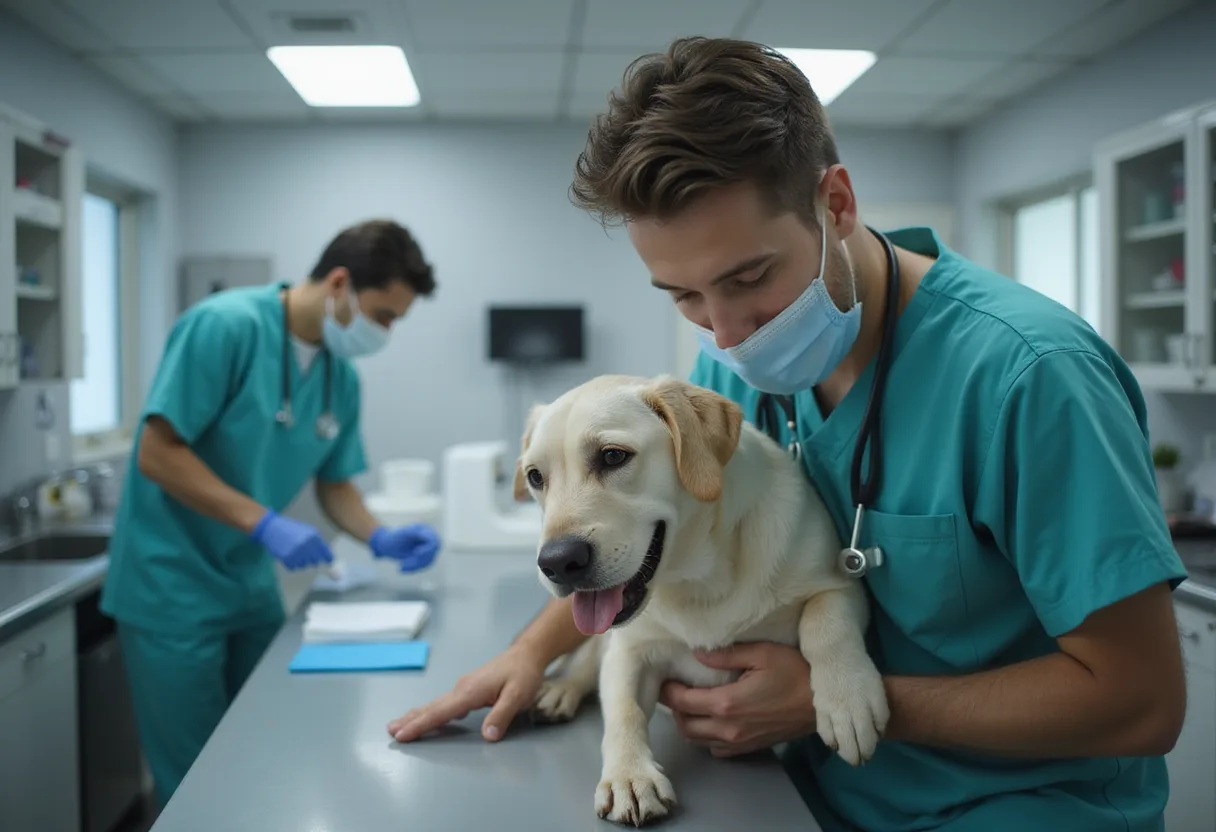
Photo: AI-generated
Artificial intelligence has arrived at the veterinary exam table, and the president of the American Veterinary Medical Association (AVMA) is describing exactly how the technology is shaping the average pet appointment.
In remarks highlighted by Yahoo Creators, the AVMA president detailed the ways AI tools now touch routine companion-animal care — from the front desk to diagnostics — signaling that practitioners and pet owners alike should expect the technology to be part of the standard visit rather than an exception.
For companion-animal practitioners, the message is direct: AI is already woven into workflows that owners may not notice but that affect the speed and quality of care their animals receive. The AVMA leader framed the shift as practical rather than speculative, grounded in tools veterinarians can use during a single appointment rather than distant research promises.
The AVMA, the primary professional body for veterinarians in the United States, has taken an active position on the integration of AI into practice. Its leadership has previously emphasized that the technology should support — not replace — the veterinarian's clinical judgment, a theme the president reiterated in describing how the tools function alongside standard examination and client communication.
Pet owners, according to the AVMA president, may encounter AI at several points in a visit. The technology can assist with recordkeeping and administrative tasks that previously consumed appointment time, freeing the veterinarian to focus on the animal in front of them. That reallocation of attention, the association's leadership suggests, is one of the most tangible changes the technology delivers at the practice level.
For the profession, the implications extend beyond convenience. As AI-supported tools become standard, practices face decisions about which systems to adopt, how to train staff, and how to communicate the technology's role to clients who may have questions about automated input in their pet's care.
The AVMA president's public framing also carries a consumer-education function. By speaking directly to pet owners through mainstream outlets, the association is working to normalize AI's presence in veterinary medicine before the technology becomes a point of confusion or concern in the exam room.
No specific products, regulatory actions, or clinical outcome data were cited in the report. The AVMA leader's comments instead sketch the trajectory: artificial intelligence is moving from novelty to infrastructure in companion-animal practice, and both veterinarians and the clients they serve will interact with it at the next appointment — and at every one after.
Source: Google News: Veterinary medicine
Nathan Brooks
Show full bio
Senior reporter covering companies, deals and strategy in Small- and large-animal clinical practice at The Vet Scope.
Related articles
AVMA Delegates Open Formal AI Policy Review as Adoption Climbs
AI Use Among Veterinary Professionals More Than Doubles in 2 Years
Veterinary AI Partnership Could Carry Clinic Tools Into Human Medicine
AVMA Frames 'The Future of Veterinary Medicine Is Human'
AAHA Spotlights Veterinarian Devoted to Working Dog Teams