UNR Launches Animal Science Bachelor's to Keep Nevada Students In-State
University of Nevada, Reno has launched a Bachelor of Science in Animal Science, ending students' need to leave the state for the degree in a market with 450,000 cattle statewide.
Updated
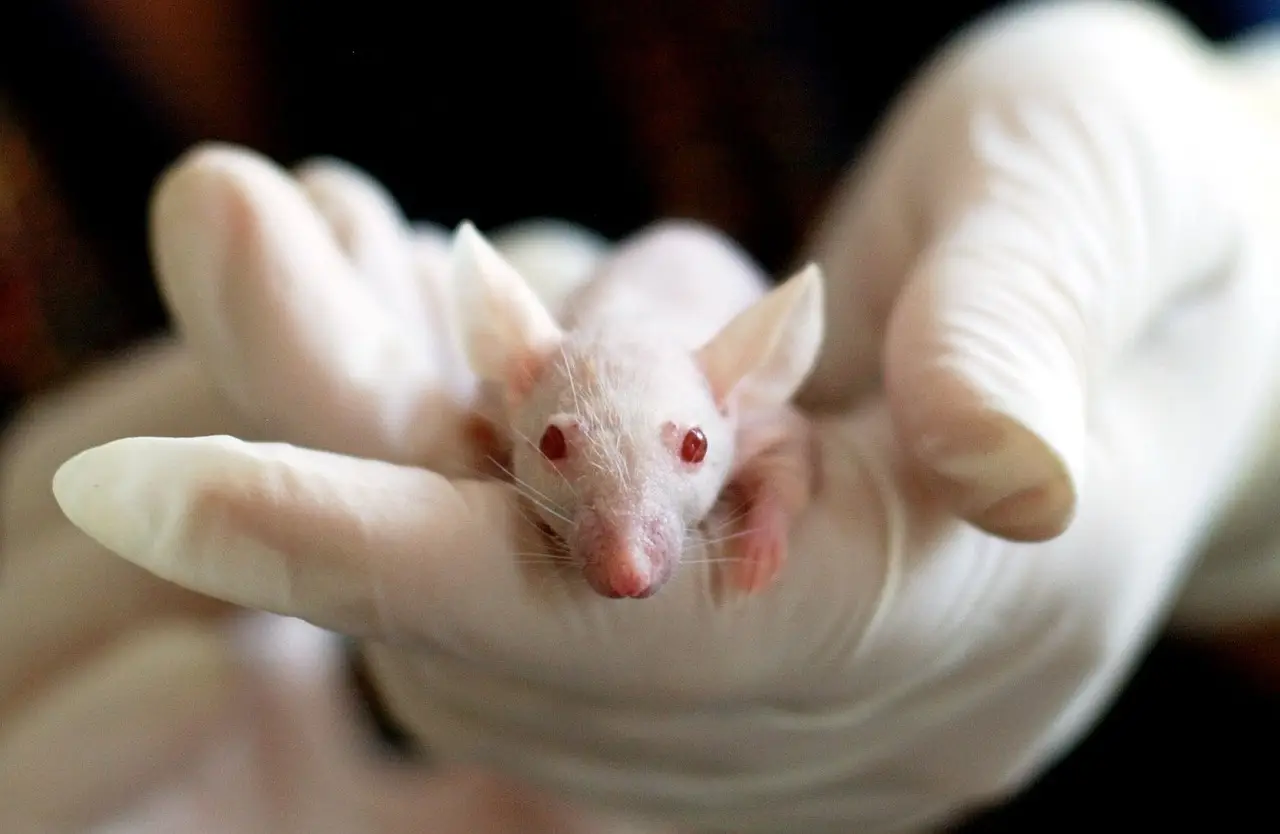
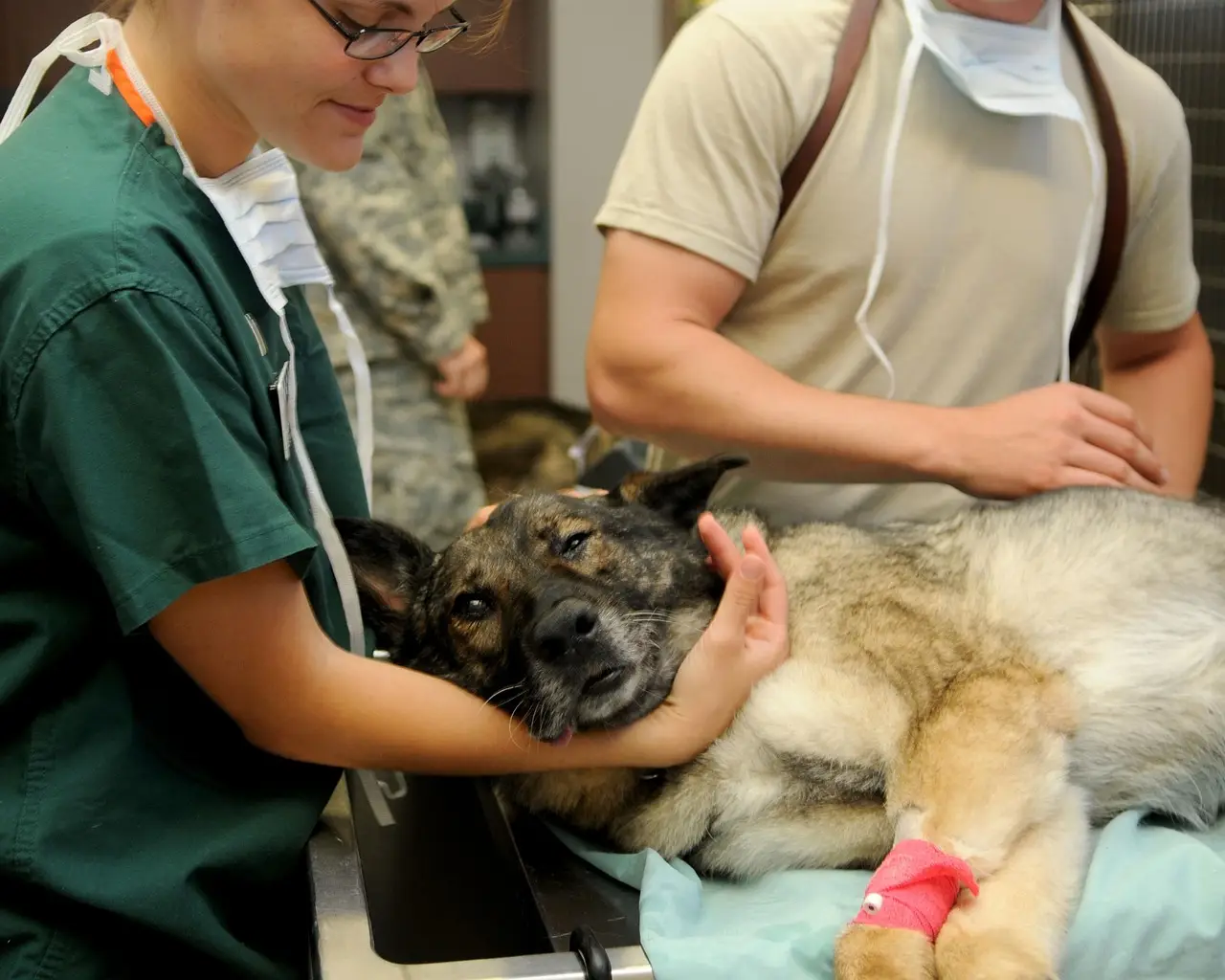
Photo: AI-generated
Nevada students pursuing a dedicated animal science bachelor's degree no longer need to leave the state. The University of Nevada, Reno has launched a Bachelor of Science in Animal Science, filling a gap that previously pushed students toward schools in California, Oregon or Utah.
The program arrives against the backdrop of Nevada's largest agricultural sector. Cattle and calves are the state's leading agricultural product, with roughly 450,000 cattle on ranches statewide, according to the university.
Amilton de Mello, an associate professor in UNR's College of Agriculture, Biotechnology & Natural Resources who leads the program, said the curriculum addresses current industry needs directly.
"We have the expertise to offer a top-notch program that addresses today's livestock and meat production challenges," de Mello said. "The basics will all be covered — breeding, genetics, physiology, nutrition, animal health and welfare and meat production."
The degree also covers sustainability and emerging livestock technologies. De Mello said coursework will examine how to increase production while reducing the environmental effects of animal agriculture.
Mike Teglas, chair of the college's Agriculture, Veterinary & Rangeland Sciences Department, positioned the degree as preparation for careers beyond ranching. He cited veterinary medicine and biotechnology as target outcomes.
"Our research shows a demand for this degree here in Nevada and in neighboring states," Teglas said. "We can meet that demand and provide students with a top-quality program where they'll receive one-on-one mentoring and have many opportunities for hands-on experiences."
UNR has offered animal science classes and a specialization for several years. The full bachelor's degree is new.
Infrastructure Investment Accompanies the Degree
The program coincides with significant facility spending. Students will have access to the Main Station Farm Science Center, which opened last fall and includes a smart classroom and a wet lab built for animal science education and research.
The college is also developing a new feedlot at its Main Station facility. That addition addresses a structural weakness in Nevada's cattle industry: the state's limited number of feedlots and meat processing facilities means many cattle raised in Nevada ship elsewhere for finishing and processing, de Mello said.
Wolf Pack Meats, located at the Main Station Field Lab, processes livestock including university-raised cattle and gives students hands-on training in commercial meat production. The facility also provides harvesting and processing services for local producers.
The university is deploying technology across its animal science operations. Current tools include drone mapping of rangelands, virtual fencing for livestock grazing, and artificial intelligence-enabled robots that can recognize individual sheep and help track their health.
Pathways and Regional Partnerships
The program connects with existing agricultural education efforts across the state. UNR Extension works with 4-H participants on animal care and agriculture. The college runs a cooperative program with Western Nevada College that lets high school students take meat industry-related classes for college credit.
Students in Truckee Meadows Community College's Associate of Science Agricultural Science Program will be able to transfer directly into the UNR bachelor's program.
The Economic Argument
De Mello framed the investment in education and infrastructure as part of a broader strategy to expand Nevada's livestock and meat industries. He pointed to the state's dependence on out-of-state meat supply.
"In this state, we produce only about 8% of the meat that we eat, and 40-50% comes from the Midwest," de Mello said. "We have the ability to foster the industry by making these kinds of investments, working hand-in-hand with those in the industry and our state's economic development leaders, and most of all, by conducting research and readying our next generation of ranchers and animal producers."
For practices and producers in the region, the program signals a growing pipeline of locally trained talent in animal health, production and meat science — and a university infrastructure increasingly equipped to support industry research needs.
Original: d136vqv78sbpmb.cloudfront.net
Daniel Okafor
Show full bio
News editor covering technology and product news in Small- and large-animal clinical practice at The Vet Scope.
Related articles
University of Nevada, Reno Launches In-State Animal Science Degree
Ohio State Taps Leah Dorman, DVM, for Rural Veterinary Outreach
Colorado State University Opens New Facility Dedicated to Veterinary Medicine and Education
Arkansas Opens First College of Veterinary Medicine at A-State
LSU program targets rural food animal veterinary shortage