New World Screwworm Confirmed in Texas, New Mexico; Risk Dashboard Launches
Confirmed detections in Texas and New Mexico have brought New World screwworm back to U.S. soil, prompting a UC San Diego risk dashboard and a renewed USDA sterile-insect push.
Updated
New World screwworm has returned to the United States, with confirmed detections in Texas and New Mexico raising stakes for cattle producers, equine practitioners, small-ruminant ranchers and wildlife veterinarians.
In the 1950s, the flesh-eating fly cost Southwest livestock producers $50 million to $100 million annually before sterile-insect releases pushed its range to Panama. Federal and county public health officials confirmed the new northward spread in September 2026. UC San Diego and the County of San Diego Health and Human Services Agency responded with a county-level risk dashboard, now in limited release.
What does the dashboard measure?
The tool merges confirmed detections, environmental conditions favorable to fly and larval survival, and active news media reports into a single county-by-county risk profile. Access is presently limited to public health officials and partner agencies. A public version is anticipated later.
Inclusion of news coverage is the distinguishing feature. "Traditional reporting mechanisms for public health are often delayed," said Seema Shah, MD, MPH, medical director of the Epidemiology and Immunization Services Branch for the County of San Diego. "Lab confirmation can take days or weeks. By incorporating media reports, we can identify potential threats sooner and stay one step ahead."
Why does it matter at the exam table and in the barn?
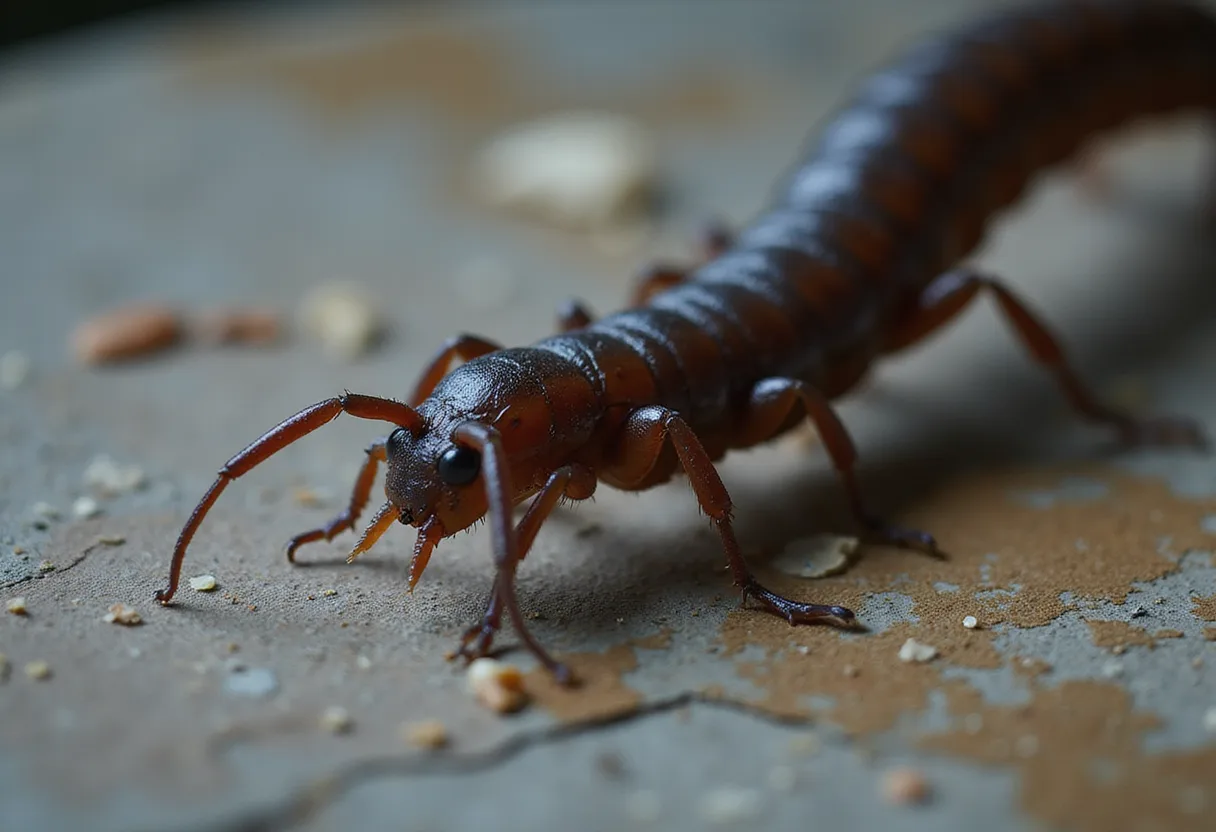
New World screwworm larvae diverge sharply from typical maggots. They consume living tissue, burrowing into wounds and natural body openings. Untreated infestations enlarge the lesion, invite secondary bacterial infection, and can prove fatal in livestock and wildlife. Human cases remain uncommon, do not transmit person to person, but require prompt physical removal of larvae from wounds or mucous membranes.
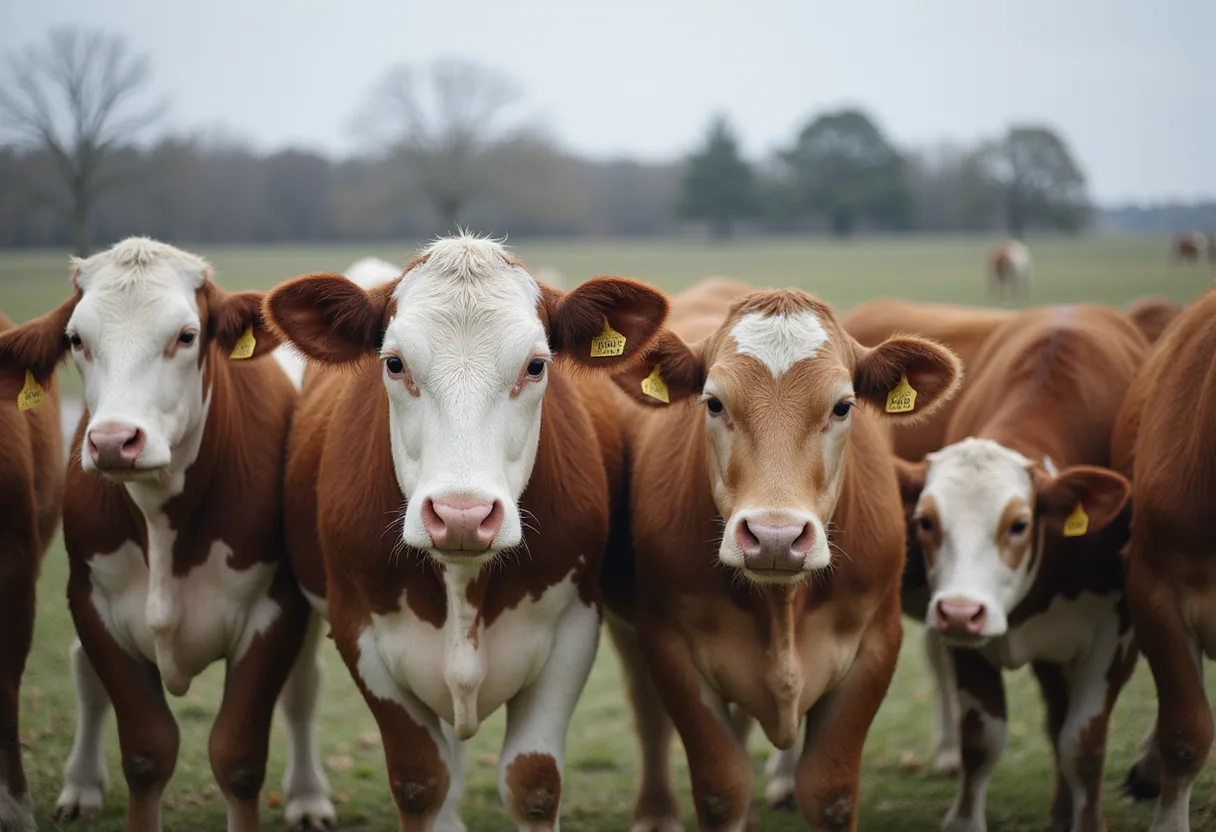
The host list runs wide. Warm-blooded species including cattle, sheep, goats, horses, dogs, cats and wildlife can carry the parasite into new territory, and adult flies travel miles in search of hosts.
How is the eradication campaign being rebuilt?
The U.S. Department of Agriculture is leading a campaign that mirrors the 1950s push: radiation-sterilized males released at scale, paired with pesticide treatments and movement quarantines. The agency is separately seeking U.S. Environmental Protection Agency approval for a genetically modified all-male strain now under field evaluation. UC San Diego researchers are developing next-generation genetic technologies intended to strengthen future control.
Mark Beatty, MD, MPH, assistant medical director for the County Epidemiology and Immunization Services Branch, described the speed. "We knew in 2023 that New World screwworm was going to move northward, but I wasn't expecting it to move as fast as it has," he said. "Once it entered Texas, we quickly saw an increase in detections. It's in a place where it used to live, so it's not surprising it's taking a hold again."
How does the tool fit into the broader response?
The dashboard emerged from Resilient Shield, a UC San Diego initiative and CDC-funded center housed inside Insight Net, a 13-facility national network that models outbreak threats. Its operating premise is simple: agencies flag urgent problems, and researchers build around them.
"It is a critical threat, but it is an issue our academic partners might never have prioritized without our direct ticket," Shah said. "This partnership solves our immediate problem while providing shareable, open reference designs."
Emily Trumbull, DVM, veterinarian and lead for the Epidemiology Unit's One Health Program, framed the field stakes. "The flies can affect any warm-blooded animal," she said, "so working together with veterinarians serving livestock, pets and wildlife is critical for identifying suspect cases and preventing cases in people."
What changes for practitioners this season?
- Food-animal veterinarians in Texas, New Mexico and adjacent states should tighten wound surveillance in cattle, sheep, goats and horses, and review movement and biosecurity protocols.
- Companion-animal practices should counsel clients in or traveling to affected counties about wound checks on dogs and cats returning from the field.
- Public health agencies and wildlife rehabilitators should monitor dashboard updates and report suspect infestations through established state channels.
The tool is a forecast, not a treatment. Its value sits in preparation, not prescription.
The next release cycle will determine whether the dashboard opens to general practitioners and whether the EPA clears the engineered strain for expanded deployment.
Original: sandiegocounty.gov
Elena Vasquez
Show full bio
Market editor covering money, funding and market shifts around Small- and large-animal clinical practice at The Vet Scope.
Related articles
New World Screwworm Reaches Northern Mexico, CDC Alert Says
New Screwworm Cases Reach New Mexico as U.S. Detections Rise
Mexico Reports Coordinated Screwworm Action in Chihuahua, Sonora
Delaware Monitors New World Screwworm Within U.S. Borders
US Reopens Another Port to Mexican Cattle as Screwworm Cases Persist Nearby