Delaware Monitors New World Screwworm Within U.S. Borders
Delaware's Poultry and Animal Health Section is now monitoring New World screwworm within U.S. borders, Morning Ag Clips reports. The agency treats a parasite absent from the continental United States since 1966 as an active surveillance item.
Updated
Photo: AI-generated
The Delaware Department of Agriculture's Poultry and Animal Health Section has begun monitoring the impact of New World screwworm within the United States, Morning Ag Clips reported.
That single sentence formalizes a state-level pivot from passive awareness to active monitoring of a parasite that has spent roughly 50 years absent from the continental United States and is now pushing northward from Central America.
What New World screwworm is
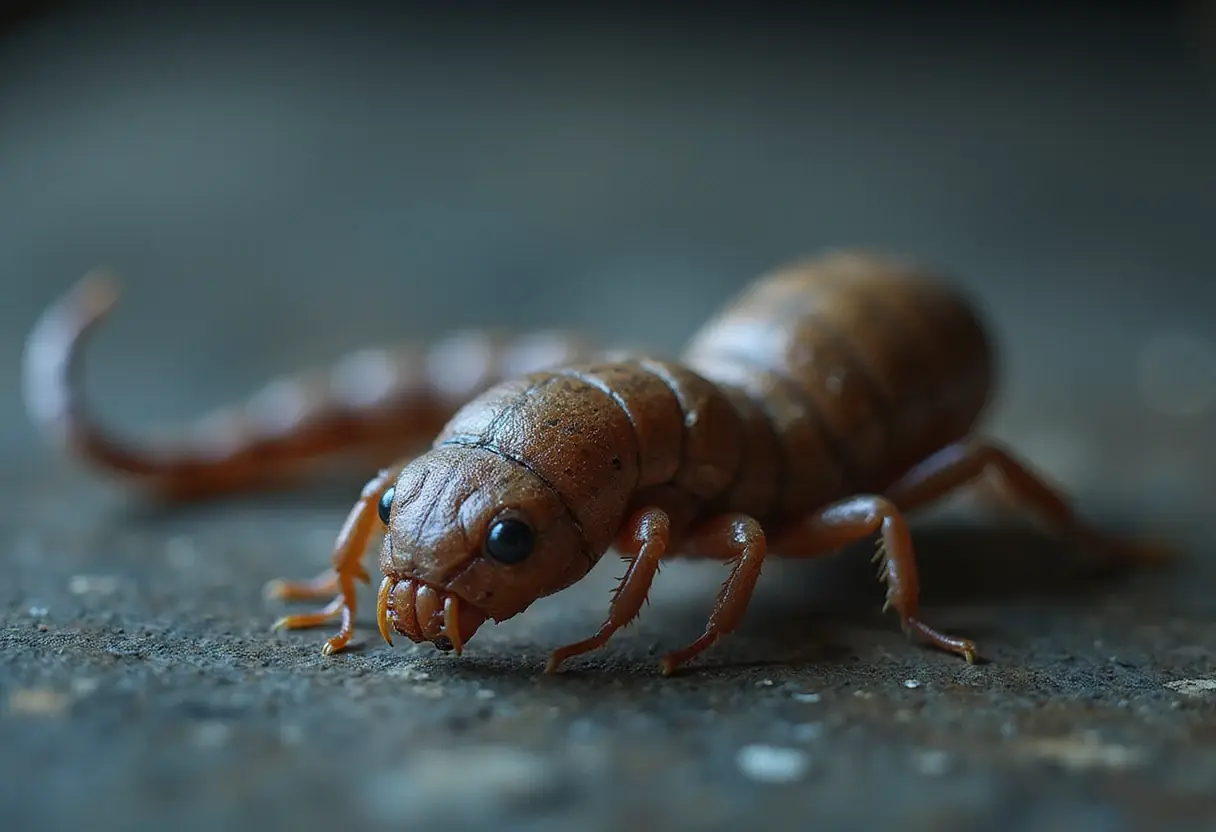
Cochliomyia hominivorax deposits eggs on open wounds of warm-blooded animals. Larvae burrow into living tissue; an untreated heavy infestation kills a steer, horse, or dog within a week. The United States eradicated the species in 1966 after a multi-decade sterile insect technique (SIT) program. USDA's Animal and Plant Health Inspection Service (APHIS) still funds SIT operations at a barrier anchored in Panama to hold the pest south of the Darién Gap.
Why a poultry section is watching
The Poultry and Animal Health Section (PAHS) leads Delaware's work on poultry health, livestock traceability, and companion-animal disease reporting. Adding screwworm to its active watch reflects the pest's expanding range and the regulatory weight an interstate detection would carry - even though Delaware's livestock geography centers on broilers, a species at lower direct risk than cattle, horses, sheep, or goats.
Exam-table and barn-level changes
For Delaware's commercial poultry producers, the risk is largely indirect: birds can act as mechanical vectors at sites with infested mammals, but chickens are not the primary host. The exam-table shift lands in mixed-animal, equine, small-ruminant, and shelter medicine, where intake history now needs to flag any animal returning from a southern U.S. or Central American location with a non-healing wound.
In the barn, the practical response if screwworm re-enters the U.S. is early detection plus approved treatment. The FDA Center for Veterinary Medicine (CVM) has approved organophosphate-based topical products and macrocyclic lactones for screwworm infestations; the specific approved product and current label depend on the species treated.
Three tracks: companion animal, food animal, public health
- Companion animal: rare direct risk; the primary signal is a non-healing wound with foreign travel history.
- Food animal: cattle, swine, sheep, goats, and horses moving interstate or imported from endemic zones carry the highest direct risk.
- Public health: the Centers for Disease Control and Prevention tracks screwworm as a notifiable human parasitic infection; U.S. cases have historically been rare and travel-associated.
What this announcement changes - and what it does not
The Morning Ag Clips report signals that Delaware PAHS treats screwworm as an active monitoring item, not a historical footnote. Without an in-state detection, the practical clinical change is modest: one travel-history question added to intake for at-risk species, plus a documented reporting path to the State Veterinarian. Producers gain formal access to PAHS staff training and passive surveillance support.
The announcement does not trigger quarantine authority, import restrictions, or treatment mandates. PAHS holds response authority under state statute for reportable and program diseases, but those powers activate only on confirmed detection.
The forward watch: the next signals that move this story from monitoring to response are APHIS sterile-fly barrier performance through 2026 and any confirmed positive case inside the continental United States. Either would convert Delaware PAHS's posture from watch to action.
Source: Google News: Livestock health
Amara Osei
Show full bio
Correspondent covering companies, deals and strategy in Small- and large-animal clinical practice at The Vet Scope.
Related articles
USDA Confirms New World Screwworm Detection in the United States
New World Screwworm Returns to Texas, First Detection Since 1966
New World Screwworm Reaches Northern Mexico, CDC Alert Says
Indiana BOAH Tightens Animal Movement Over Screwworm Risk
Texas State faculty Q&A breaks down South Texas screwworm detection