Nepal Veterinarians Inspect Thousands of Goats, Buffaloes for Dashain
Veterinarians across Nepal are inspecting thousands of goats and buffaloes ahead of Dashain, the country's largest annual festival, in a pre-festival clearance campaign covering livestock markets and holding points nationwide.
Updated
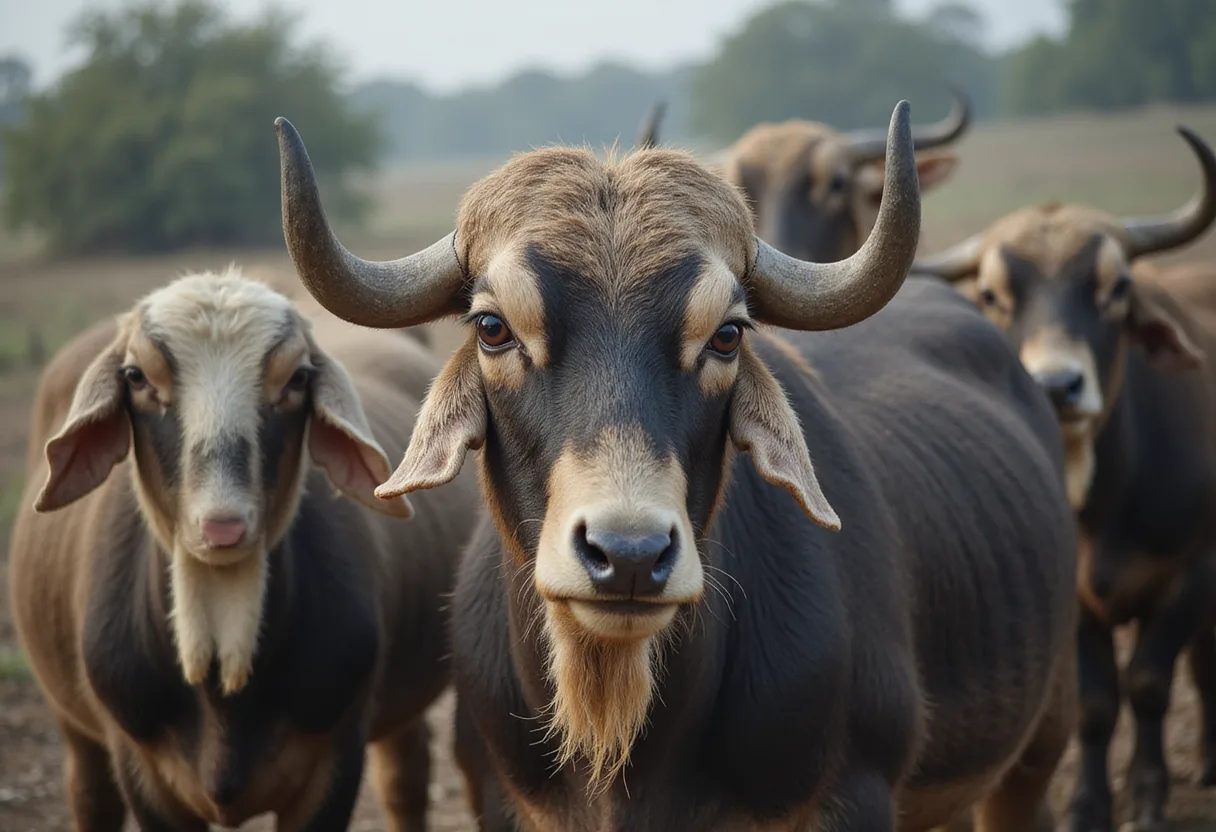
Photo: AI-generated
Thousands of goats and buffaloes are undergoing veterinary inspection across Nepal in the days before Dashain. The Kathmandu Post reported the inspection drive, describing veterinarians deployed at livestock markets and holding points to clear animals bound for the festival's traditional sacrifice and meat trade.
What is the scale of the campaign?
The Post's headline figure — "thousands" — places the campaign among the largest seasonal veterinary mobilizations tied to a religious festival in Nepal. Goats and water buffalo are the two species most commonly presented for Dashain, when household altars and butcher shops absorb a sharp seasonal spike in red meat demand across the country.
Why screen animals before Dashain?
The festival concentrates meat consumption into a short window. Households across Nepal slaughter, cook, and share goat and buffalo meat within a tight timeframe, often in settings with limited refrigeration. Pre-sale veterinary clearance reduces the probability that visibly diseased animals reach the consumer's table and lowers contagion risk within the wider national herd.
What does the inspection look for?
Pre-slaughter screening typically focuses on body temperature, gait, hydration, mucosal color, and external parasites. Examiners separate animals showing fever, nasal discharge, oral vesicles, diarrhea, or systemic illness. For water buffalo, examiners also note lactation status, since milking animals are routinely excluded from the festival trade.
What changes at the exam point?
For rural practitioners, the pre-Dashain week is the single busiest clinical window of the year. Practitioners convert routine clinical work into a high-throughput triage operation. Speed matters: examiners must clear or reject each animal in minutes, with a missed lesion rippling into a household of consumers.
What about companion animals?
The campaign is essentially a food-animal exercise. Dogs and cats do not enter the Dashain trade in meaningful numbers. Small-animal veterinary demand in Kathmandu and other cities continues on its normal seasonal pattern during the holiday, with no companion-animal surveillance tied to the campaign.
What is the public-health picture?
The campaign serves two public-health functions simultaneously. It limits zoonotic transmission to consumers, and it reduces disease spread across the wider national herd. Dashain concentrates both populations in close quarters, making the inspection window a high-leverage public-health intervention for the country.
What comes after Dashain?
Post-festival surveillance will flag any localized disease clusters that escaped pre-sale clearance, with reporting expected in the weeks after Dashain concludes. The Kathmandu Post's coverage offers a snapshot of the start of that cycle, and subsequent reporting will clarify the campaign's measurable outcome for the year.
Source: Google News: Livestock health
Daniel Okafor
Show full bio
News editor covering technology and product news in Small- and large-animal clinical practice at The Vet Scope.
Related articles
Kathmandu Valley Steps Up Livestock Health Checks Ahead of Dashain
New Veterinarians Urged to Tackle Animal-Human Diseases
WHO Turkmenistan Office Conducts Zoonotic Disease Joint Risk Assessment Workshop
IPB University Expert Flags Zoonotic Risks in Sacrificial Animals
India's Central Government Prepares National Action Plan on Zoonotic Diseases