Kathmandu Valley Steps Up Livestock Health Checks Ahead of Dashain
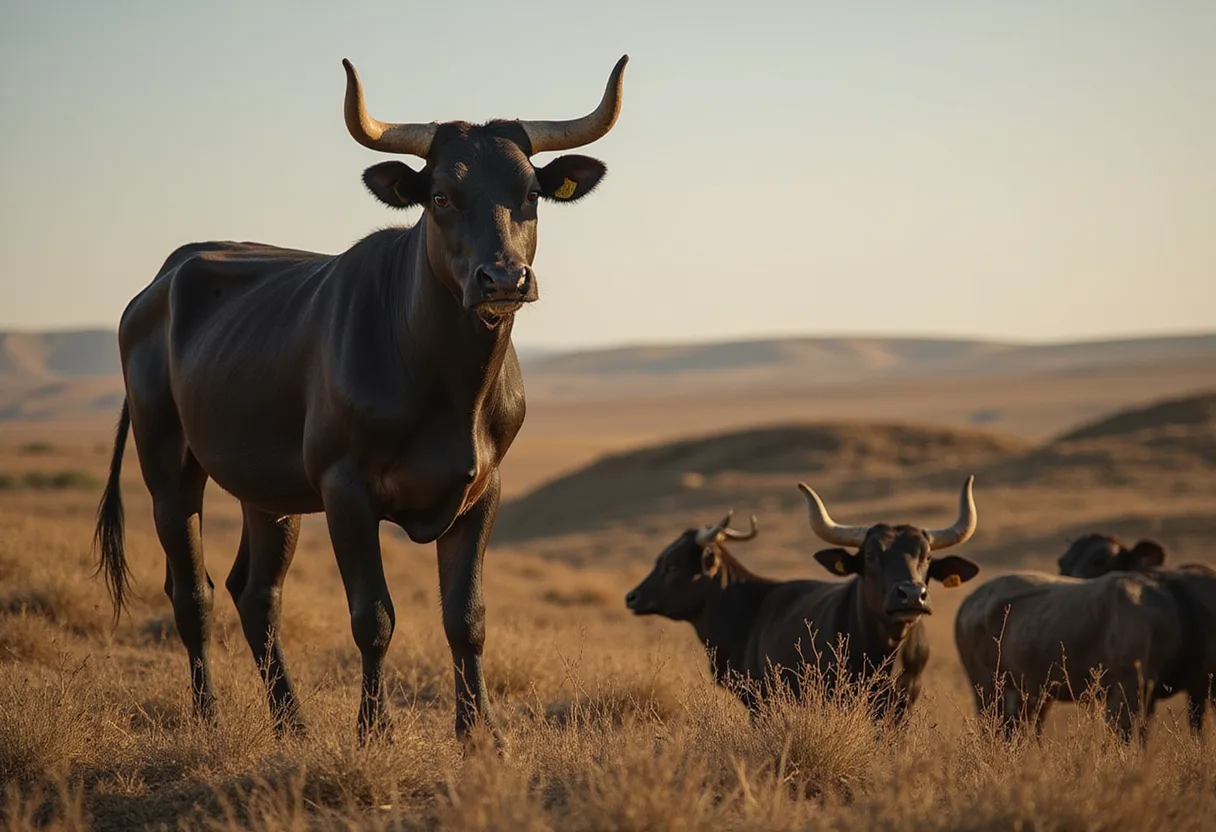
Livestock entering the Kathmandu Valley face tighter veterinary health checks ahead of Dashain, Nepal's largest festival, as authorities brace for the annual peak in animal movements.
Updated
Livestock entering the Kathmandu Valley will face tighter health checks in the run-up to Dashain, Nepal's largest festival, The Rising Nepal reports.
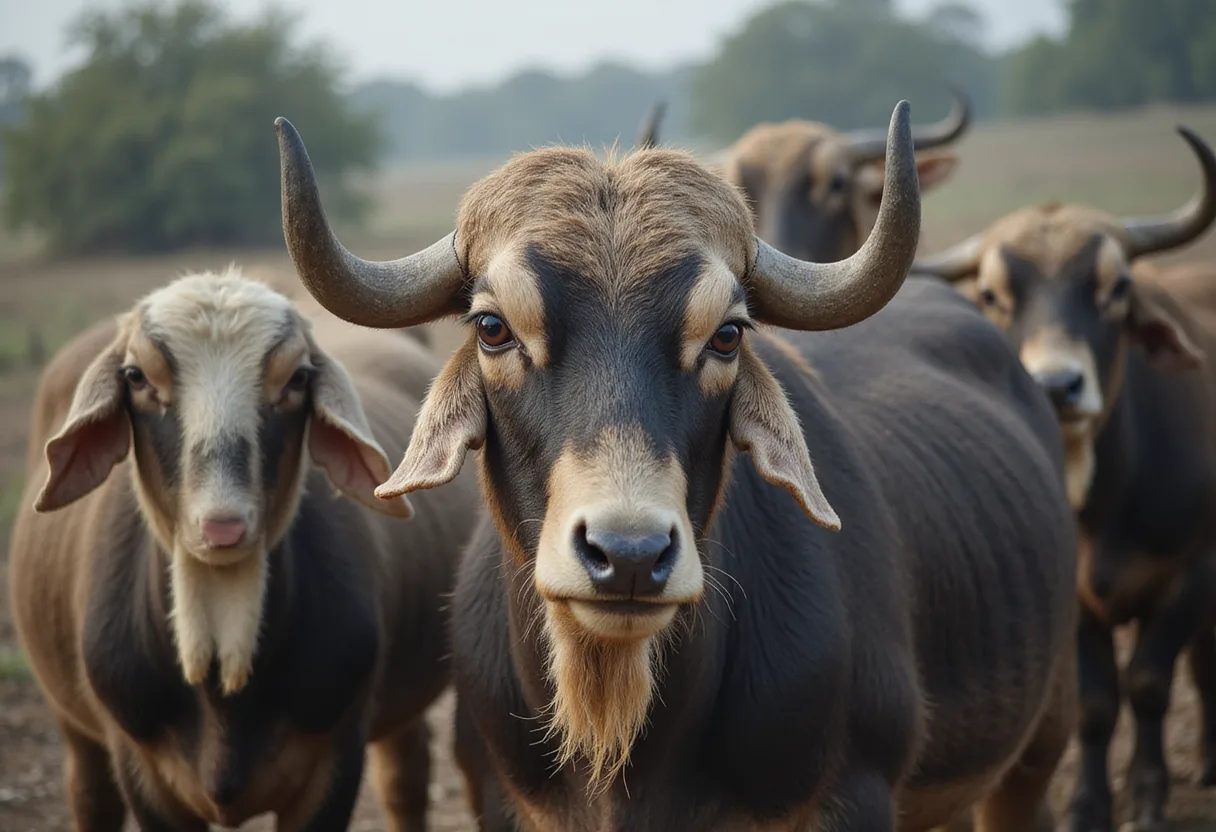
The intensified controls target animals moving toward the capital's markets during the country's biggest annual surge in livestock trade. Dashain, the fifteen-day Hindu festival falling in autumn, drives peak demand for goats, sheep, buffalo and other slaughter animals across Nepal, with the capital absorbing a large share of the national supply.
What changes on the ground?
The report describes a tightening of existing inspection arrangements rather than a new regulatory regime. Veterinary teams conduct the checks, screening animals at entry points and market yards before they reach consumers.
For veterinarians and livestock officers in the Valley, the practical effect concentrates in the weeks before the festival begins:
- Higher volumes of animals passing through checkpoints as traders move stock into Kathmandu ahead of peak purchasing days
- Closer scrutiny of animals for signs of disease before they enter the food chain
- Greater pressure on veterinary manpower at a time when animal movements across districts are at their annual maximum
Why Dashain drives the workload
Dashain is the single largest meat-consumption event on Nepal's calendar. Households across the country purchase sacrificial and slaughter animals in a compressed window, and the Kathmandu Valley — home to the country's densest concentration of consumers — becomes the destination for a substantial share of that trade.
That seasonal spike is the operational rationale for the tighter checks. When animal movement volumes multiply within weeks, the risk that sick animals slip into urban markets rises in step. Inspection at entry points functions as the last systematic filter before animals reach slaughter and sale.
The public-health dimension
For a food-animal and public-health audience, the Kathmandu measures fit a pattern familiar across South Asia: festival-driven intensification of meat inspection and movement controls. Comparable surges occur around Eid al-Adha in neighboring countries, where authorities similarly expand veterinary checkpoints and ante-mortem inspection capacity in the weeks before peak slaughter.
The checks serve two functions simultaneously:
- Trade facilitation — healthy animals move to market without avoidable delay during the commercially critical festival window
- Disease control — animals showing clinical signs can be identified and removed before entering slaughter channels, protecting consumers in a market system where much of the killing occurs outside centralized abattoir oversight
What to watch
The Rising Nepal's report signals that enforcement attention will remain elevated through the festival period. Whether the tightened checks translate into published surveillance data — condemned-animal counts, disease findings at checkpoints — will determine if this year's campaign leaves an evidentiary record, or remains an operational tempo change visible only at the inspection posts themselves.
By Amara Osei
Source: Google News: Livestock health
Amara Osei
Show full bio
Correspondent covering companies, deals and strategy in Small- and large-animal clinical practice at The Vet Scope.
Related articles
Nepal Veterinarians Inspect Thousands of Goats, Buffaloes for Dashain
Uganda Warns Against Housing Livestock in Markets Over Disease Risk
ICAR-RCER Health Camp Treats 134 Livestock, Reaches 110 Farmers in Gaya
Rift Valley Fever Outbreak Confirmed in Mauritania and Senegal
Pakistan Rolls Out Rs2.6 Billion Livestock Health Plan