IPB University Expert Flags Zoonotic Risks in Sacrificial Animals
An IPB University expert warns that livestock used in sacrificial slaughter pose zoonotic risks to handlers, butchers, and consumers, urging tighter biosecurity across Indonesia's ritual meat supply chain.
Updated
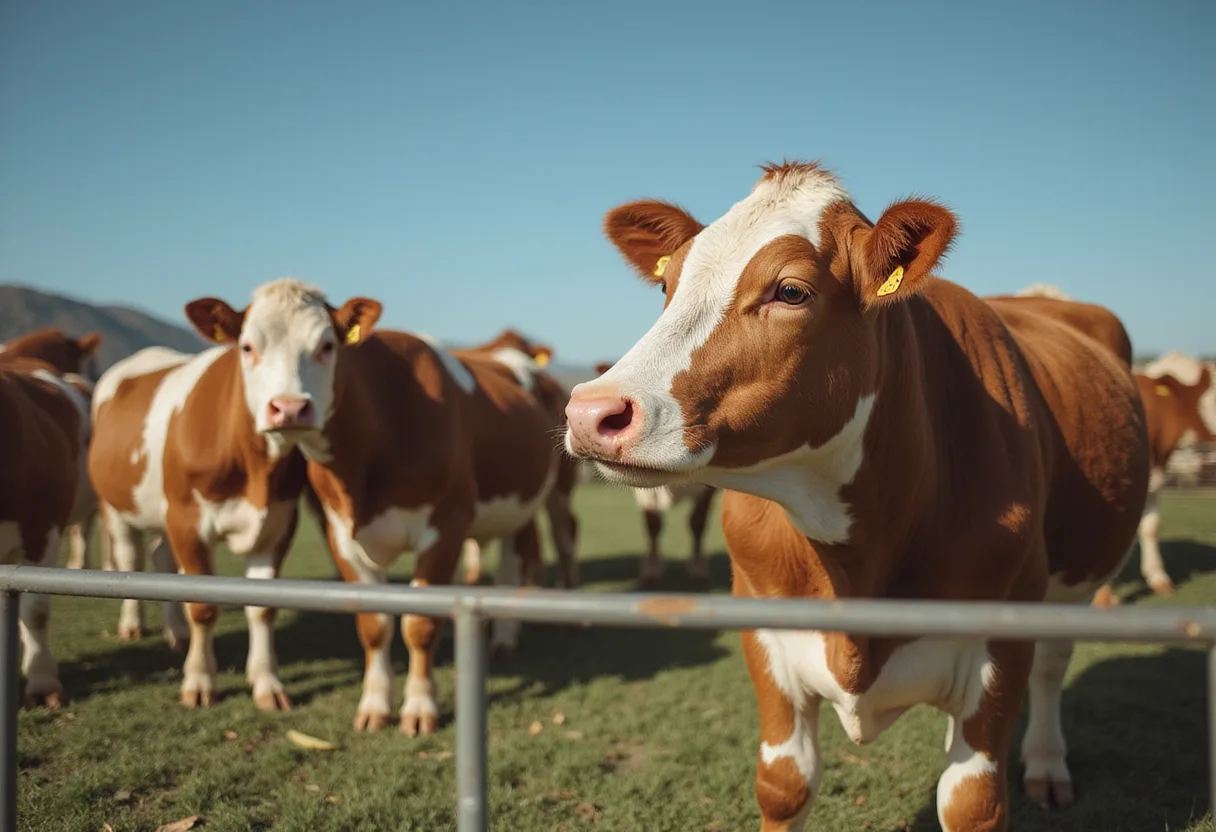
Photo: AI-generated
An expert at IPB University (Bogor Agricultural University) in Indonesia has issued a public warning that livestock used in sacrificial slaughter carry zoonotic disease risks for handlers, butchers, and consumers.
The advisory, distributed through the university's official news channel, frames sacrificial cattle, sheep, and goats as potential disease reservoirs when animal movement, slaughter, and meat distribution occur outside standard veterinary oversight.
What does the warning actually cover?
The IPB release names the points along the sacrificial supply chain where pathogens most readily cross from animal to human:
- Live-animal markets and pre-slaughter holding areas
- Stunning, bleeding, and carcass dressing at temporary sites
- Offal handling and household preparation of raw meat
These steps concentrate exposure for traders, slaughter workers, inspectors, and consumers in a short window of time.
Why does sacrificial slaughter carry elevated risk?
Mass religious slaughter — most prominently associated with Eid al-Adha across Indonesia and the wider Muslim-majority world — moves very large animal volumes through sites that often lack fixed abattoir infrastructure. Indonesia's own veterinary associations have flagged gaps in antemortem inspection at non-licensed sites, and previous regional outbreaks of brucellosis, anthrax, and Q fever have prompted repeated calls for stronger surveillance.
Three operating conditions amplify the baseline risk:
- Crowding — high animal density in temporary pens increases within-herd transmission and shedding.
- Speed — compressed timelines reduce the opportunity for clinical observation and rejection of sick animals.
- Informal sites — many slaughter points fall outside the jurisdiction of licensed veterinarians, leaving meat inspection to traders or household buyers.
Who needs to act?
The IPB faculty addresses three working groups with distinct responsibilities:
- Veterinarians and animal-health inspectors — conduct antemortem examination; refuse animals with signs of systemic disease; supervise slaughter hygiene.
- Traders, butchers, and abattoir staff — apply standard hygienic practices during bleeding, skinning, evisceration, and carcass handling; use personal protective equipment.
- Households and consumers — cook meat and offal thoroughly; keep raw product separated from ready-to-eat food; wash hands and surfaces after handling.
What changes for veterinary practice?
The advisory carries direct implications for small-animal clinicians and large-animal practitioners alike.
In food-animal practice, the warning reinforces the case for herd-level pre-slaughter screening on farms supplying sacrificial markets. Practitioners in endemic areas should counsel clients on quarantine, observation, and the value of documented health certificates before animals enter the trade chain.
In companion-animal practice, the warning is less direct but still relevant. Dogs and cats in households that have handled raw sacrificial offal can act as mechanical vectors, carrying pathogens on fur and paws. Clinics should ask about recent slaughter activity when clients present animals with acute gastroenteritis of unclear origin.
In public health, the release underscores the role of veterinarians in a One Health framework. Local veterinary services, the Directorate General of Livestock and Animal Health Services, and university clinics need shared data on rejected animals and confirmed zoonotic recoveries to close the surveillance loop.
What's next?
The full substantive text of the IPB release — including the named faculty expert, specific pathogen detail, and formal recommendations — was not accessible at the time of publication. Practitioners working in or sourcing livestock from Indonesia should follow the IPB University Faculty of Veterinary Medicine and the Indonesian Veterinary Medical Association for follow-up guidance on antemortem protocol, slaughter-site biosecurity, and consumer-facing messaging ahead of the next observance.
Source: Google News: Zoonotic disease
Grace Kim
Show full bio
Staff writer covering regulation, policy and their impact on Small- and large-animal clinical practice at The Vet Scope.
Related articles
WHO Commends Indonesia's One Health Leadership on Zoonoses
Local Vaccine Output Expands Across Africa to Meet Livestock Demand
BMJ Review Maps Disease Risks in Traditional Live-Animal Markets
Indonesia Confirms Anthrax in Yogyakarta Goats and Cattle; 99 Animals Treated
New Veterinarians Urged to Tackle Animal-Human Diseases