New Cattle Vaccine Targets Screwworm as USDA Expands Defenses
A new cattle vaccine targeting the screwworm has emerged as the USDA expands its defenses, shifting part of the fight from area-wide programs to the ranch level.
Updated
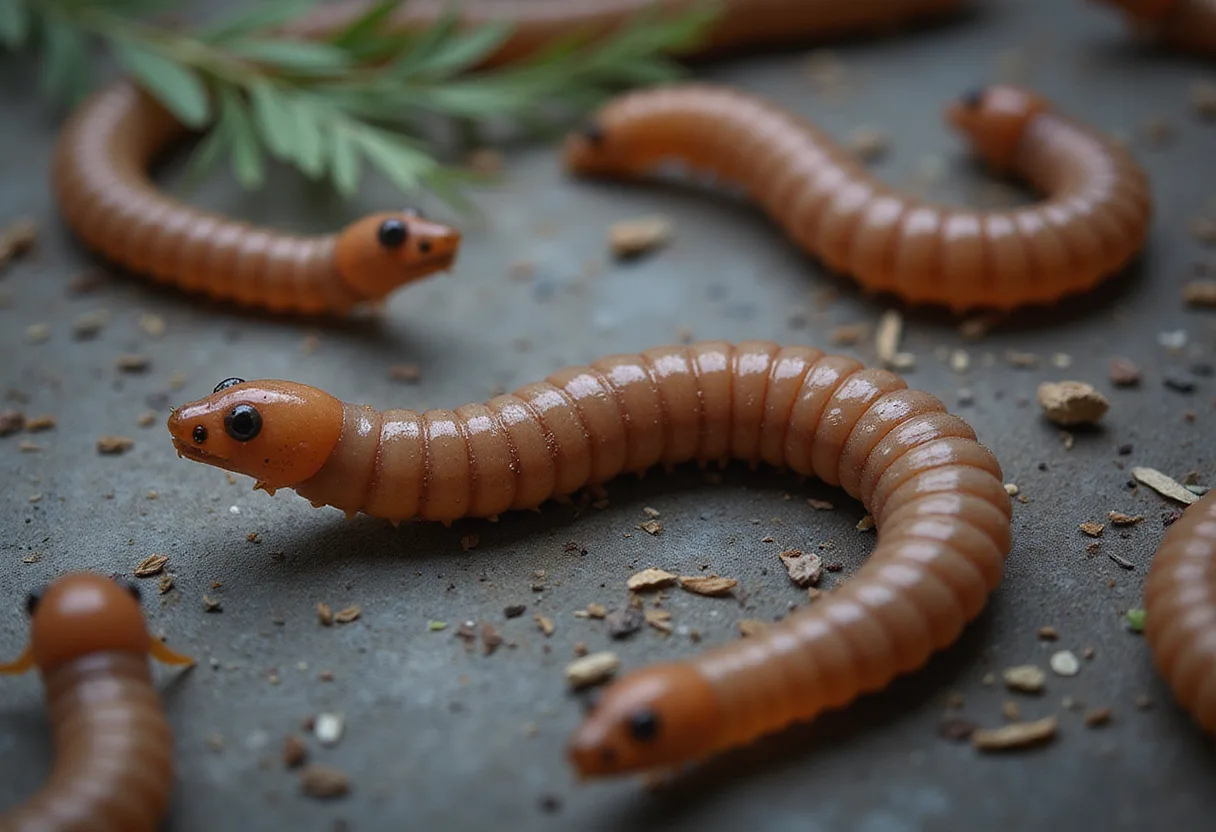
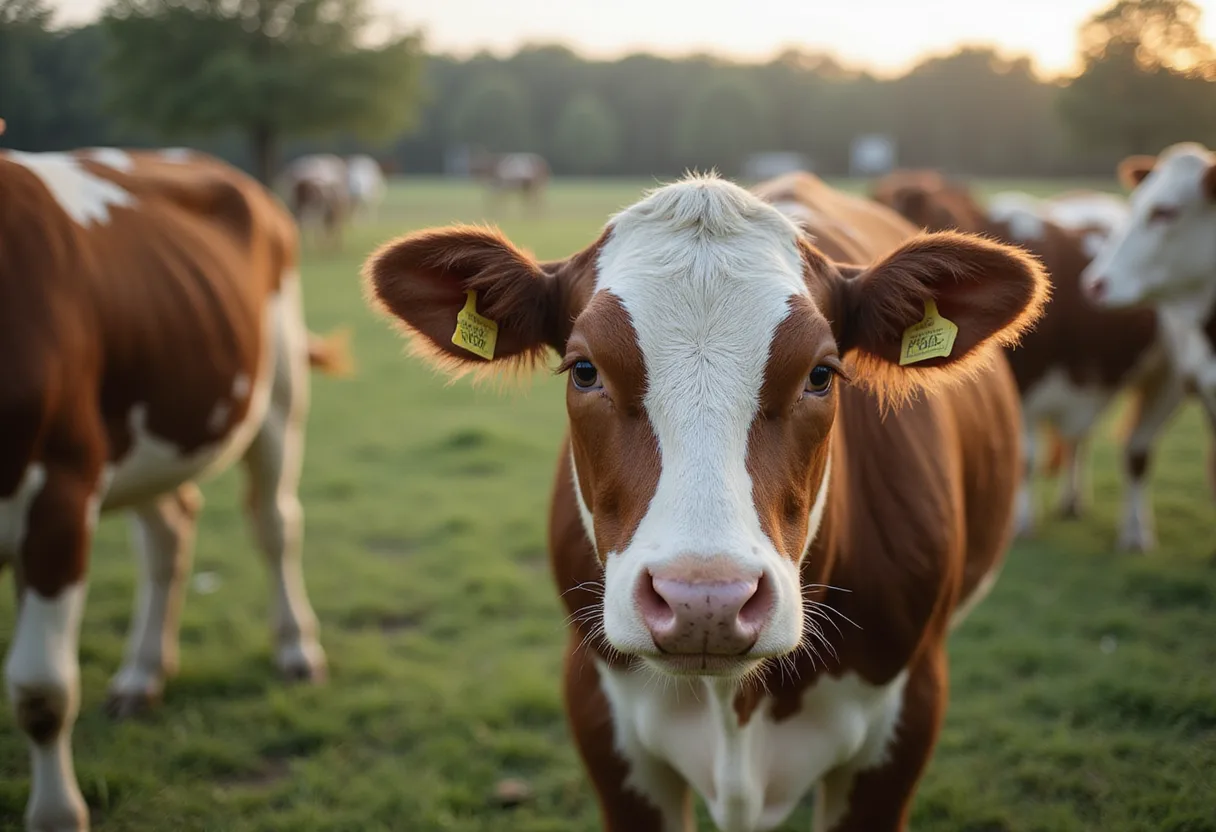
Photo: AI-generated
A new cattle vaccine aimed at the screwworm has entered the picture as the USDA widens its defensive posture against the parasite, according to a report from AgroLatam.
The development marks a shift in strategy. Until now, the fight against the New World screwworm has rested chiefly on surveillance at the southern border, fly-restricted zones, and the decades-old sterile insect technique. A vaccine would move part of that burden from the federal government and area-wide programs onto individual ranches, where producers could vaccinate their own animals.
For cattle veterinarians and food-animal practitioners, the practical questions start at the chute.
What changes at the exam table — and what does not?
Details that matter to any vaccination protocol remain unconfirmed in the available reporting: the vaccine's immunological target, its regulatory status with USDA's Center for Veterinary Biologics, dosing schedule, labeled species coverage, or expected availability date. Until the agency publishes those specifics, practitioners should treat the announcement as a pipeline development rather than a product they can order.
What the report does establish is direction. The USDA is expanding its defenses, and a cattle vaccine is now part of that expansion. That signals federal planners see the screwworm threat as persistent enough to justify a new tool.
Why screwworm matters now
The New World screwworm fly lays eggs in wounds, and its larvae feed on living tissue. Infestations in livestock can kill untreated animals, and outbreaks carry direct trade consequences: a confirmed case can close export markets and trigger costly eradication campaigns.
The parasite was eliminated from the United States decades ago through the sterile insect technique, in which irradiated male flies are released to collapse the wild population. That method, developed jointly with Mexico and Central American partners, pushed the fly south of Panama. Recent southern-hemisphere spread has renewed concern along the border, and the USDA's expanded posture follows that renewed pressure.
Separate implications, species by species
- Food animals: Cattle are the stated target of the new vaccine. If licensed, it would give producers a herd-level option that area-wide programs cannot deliver alone.
- Companion animals: Dogs and horses also develop screwworm myiasis. The report does not state whether the vaccine would carry a label for any species beyond cattle.
- Public health: Screwworm myiasis can affect humans, though rarely. Any reduction in the fly population carries a zoonotic dividend.
- Trade and regulation: An effective vaccine could shorten outbreak responses and reduce quarantine duration — figures that will depend on field performance once the product reaches trials or licensure.
What to watch next
The key milestones for practitioners are procedural: a USDA Center for Veterinary Biologics license, a published label with species and dosing, and any conditional-use pathway the agency might invoke under outbreak conditions. AgroLatam's report does not specify where the candidate now sits on that timeline.
For now, the announcement resets expectations: the USDA intends to fight the screwworm with more than sterile flies, and cattle producers may soon hold a share of that defense in their own hands.
Source: Google News: Livestock health
Nathan Brooks
Show full bio
Senior reporter covering companies, deals and strategy in Small- and large-animal clinical practice at The Vet Scope.