Nebraska Veterinary Diagnostic Center Earns Governor's Award
The Nebraska Veterinary Diagnostic Center has received a governor's award, IANR News announced, spotlighting the lab at the front of the state's animal disease surveillance.
Updated
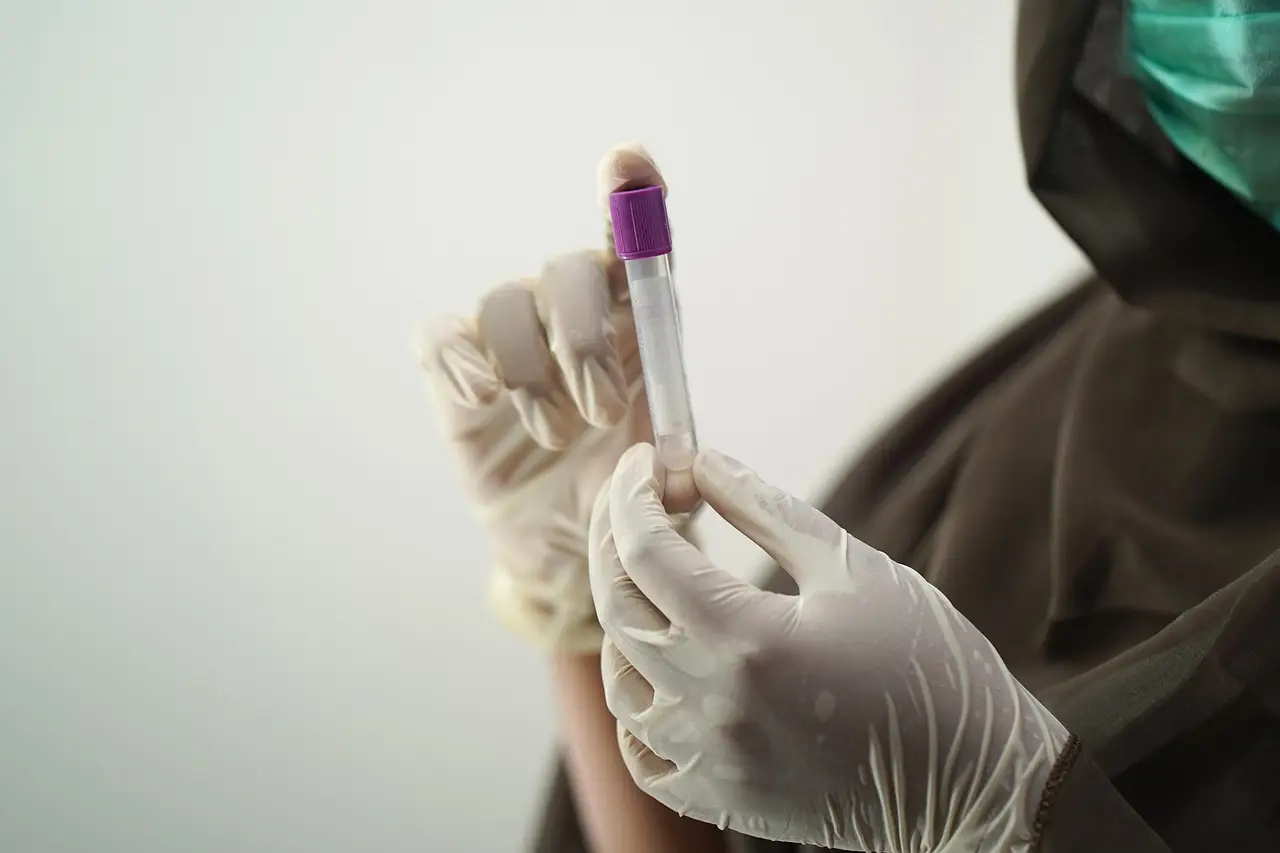
Photo: shameersrk / pixabay
The Nebraska Veterinary Diagnostic Center has received a governor's award, the Institute of Agriculture and Natural Resources at the University of Nebraska announced. The honor places one of the state's core animal-health institutions among those the governor's office singled out for service to Nebraska.
For practicing veterinarians across the state, the center is not an abstraction. It is the laboratory that receives their necropsy submissions, their PCR panels, their suspect high-consequence case material. When a feedlot veterinarian in the Sandhills suspects vesicular disease, or a small-animal clinic in Omaha faces an unusual respiratory presentation, the diagnostic pipeline runs through this facility. Recognition at the gubernatorial level speaks to how central that pipeline has become.
What does a governor's award mean for a diagnostic lab?
Awards of this kind do not change a laboratory's fee schedule or its turnaround times. What they signal is institutional standing. In practice, that standing matters in three ways:
- It strengthens the center's position when the state allocates funds for equipment, biosafety upgrades and staffing.
- It reinforces the laboratory's role in planning for foreign animal disease response, where speed of detection determines the size of an outbreak.
- It marks the institution as a stable partner for the university system, the state Department of Agriculture and the veterinary practices that submit to it.
The Institute of Agriculture and Natural Resources, which published the announcement, houses the center within the university's agricultural mission. That placement links the laboratory to both the companion-animal clinics that send routine submissions and the livestock industry that depends on surveillance for trade continuity.
Why recognition of diagnostic infrastructure matters now
The award arrives at a moment when state diagnostic laboratories carry a heavier load than their public profile suggests. Avian influenza outbreaks across the country have pushed testing volumes upward and drawn public attention to the network of laboratories that stands between a suspicious death and a confirmed diagnosis. Nebraska's cattle and poultry sectors rely on that network for early detection, and early detection is the variable that decides whether an event stays on one premises or moves across a region.
For food-animal veterinarians, the practical takeaway is straightforward: a laboratory that wins state-level recognition is a laboratory the state is inclined to keep funding. Submitters benefit when their diagnostic infrastructure holds its budget line.
For companion-animal practitioners, the same laboratory handles the cases that private reference labs may escalate — unusual pathogens, suspected reportable disease, and necropsy work that feeds back into surveillance data.
And for public health, the center sits inside the national apparatus that monitors zoonotic threats. Diagnostic laboratories were the institutions that first characterized recent H5N1 spillovers into dairy cattle; whatever the pathogen next presents, the front line of recognition will look much like this one.
The announcement from IANR News named the award without detailing the selection criteria, and the governor's office has not published a breakdown of the fields considered. What the record shows is the fact itself: the center received the honor, and the state's land-grant institution chose to publicize it.
Whether the recognition translates into expanded capacity — new instruments, added assays, faster reporting — will become clear in the budget cycles that follow.
Source: Google News: Veterinary diagnostics
Nathan Brooks
Show full bio
Senior reporter covering companies, deals and strategy in Small- and large-animal clinical practice at The Vet Scope.
Related articles
Nebraska Veterinary Diagnostic Center Earns Governor's Award
Penn State and Pennsylvania Agriculture Break Ground on Diagnostic Lab Expansion
Penn State Breaks Ground on $65 Million Animal Diagnostic Lab
New York State Awards $19.5M for Veterinary Diagnostic Lab Expansion
Penn State, PDA break ground on Animal Diagnostic Laboratory expansion