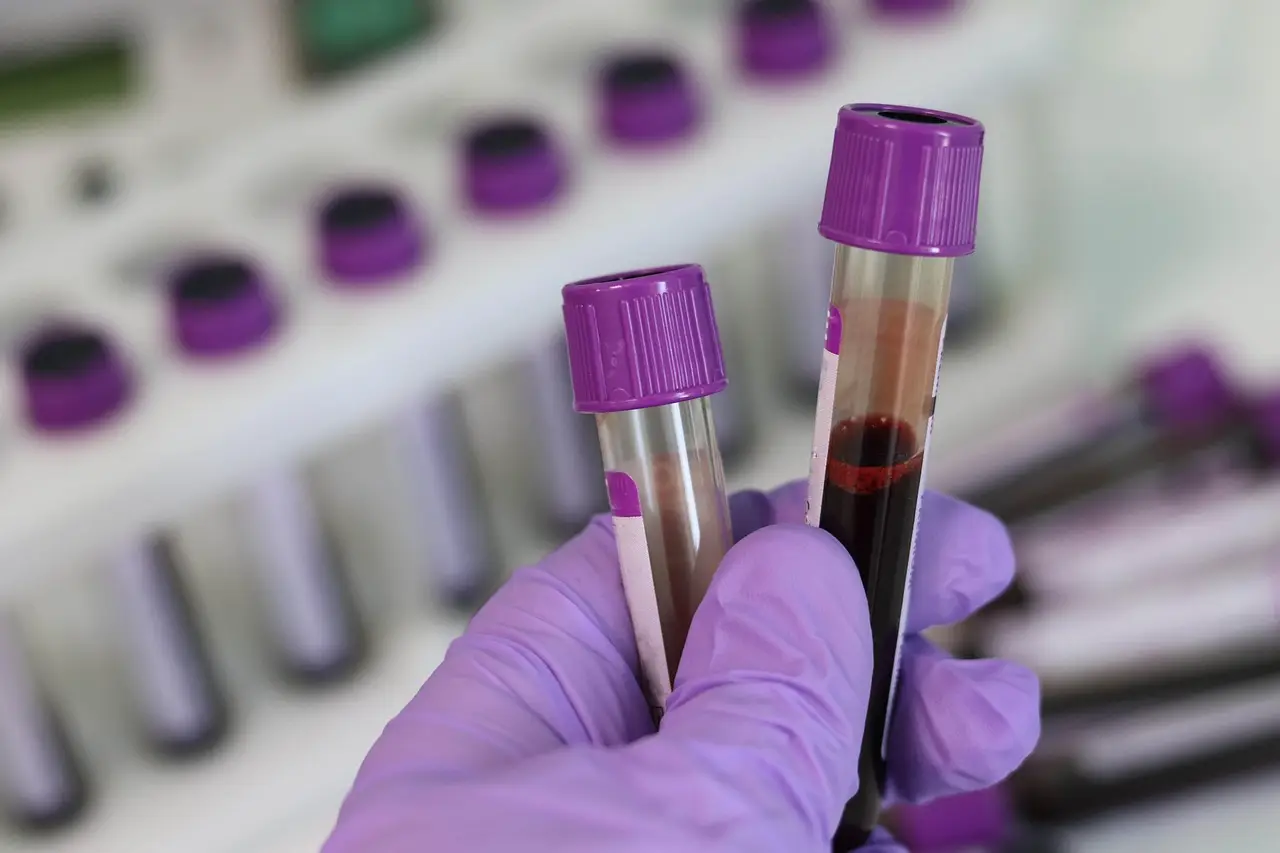
DVM360 frames feline panleukopenia from the diagnostic bench
DVM360's feature "Feline panleukopenia: A diagnostic laboratory's perspective" reframes the familiar feline parvovirus from the receiving end of PCR, CBC, and necropsy submissions rather than from clinical presentation.
Updated
Photo: Belova59 / pixabay
By Amara Osei
DVM360 has published a feature titled "Feline panleukopenia: A diagnostic laboratory's perspective," shifting the conversation about a long-recognized feline parvovirus from the exam table to the testing bench.
The headline signals the angle: rather than tracking feline panleukopenia virus (FPV) from clinical presentation, the piece follows it from the receiving end of submissions. Diagnostic laboratories process the polymerase chain reaction (PCR) assays, complete blood counts (CBC), and necropsy samples that confirm or rule out infection, and the way those results are interpreted and reported shapes clinical decisions upstream.
What the diagnostic-side angle adds
FPV targets rapidly dividing cells — including bone marrow, intestinal crypts, and lymphoid tissue — producing the leukopenia, anorexia, vomiting, and diarrhea that practitioners recognize on presentation. Mortality runs highest in unvaccinated kittens, particularly those under five months of age. Where vaccination programs hold, that clinical picture compresses substantially, but periodic outbreaks in shelters, rescue-transport cohorts, and under-vaccinated regions keep laboratory confirmation in routine demand.
A laboratory-side view also flags distinctions the clinic does not always see. A PCR-positive sample from a recently vaccinated cat, for example, raises the question of vaccine-derived detection rather than active infection. A PCR-negative result late in disease can reflect viral clearance rather than absence of FPV. The DVM360 feature walks practitioners through these distinctions.
How lab turnaround shapes clinical decisions
Sample quality and timing drive much of what a report can tell the clinician. Bone-marrow effects of FPV can shift a CBC's white-cell count before clinical signs appear, and a STAT PCR turnaround changes inpatient management on an unstable case, where every hour shapes isolation, fluid therapy, and disinfection protocols at the kennel or shelter level.
What changes for the exam table
Three operational points typically shift when practitioners read laboratory reports with the bench in mind. Vaccination timing flags a positive PCR: a sample drawn within roughly 14 days of modified-live FPV vaccination can reflect vaccine virus, and the laboratory notes that on the report. Sample selection matters: a fecal swab drawn before the leukopenia nadir may return false-negative, and re-submission can be required. Turnaround expectations calibrate clinical flow — a 24-hour STAT PCR changes inpatient management, while a 5-day standard turnaround on a recovered patient supports retrospective confirmation rather than active treatment decisions.
Why the laboratory angle matters during outbreaks
Shelters and rescue networks continue to document periodic FPV clusters, particularly when intake volumes rise and individual vaccination histories are incomplete. Each cluster renews the operational question of how quickly a laboratory can return a confirmatory result that changes a facility's response — a question the lab-side feature addresses directly.
Bottom line for clinicians
For practitioners who order the test but rarely see the bench, the publication offers a behind-the-scenes reference point. The laboratory's read on an outbreak, an inconclusive result, or a clean exclusion becomes a benchmark clinicians can apply to their own caseloads as they weigh the next diagnostic move on a suspected case.
Source: Google News: Veterinary diagnostics
Amara Osei
Show full bio
Correspondent covering companies, deals and strategy in Small- and large-animal clinical practice at The Vet Scope.
Related articles
CFIA Approval Opens Canadian Market for Antech's Rapid Tests
Feline infectious peritonitis column points to new hope for cats
New FIP Antemortem Test Reaches 78% Accuracy in 84-Cat Trial
New Feline FIP Guidelines Put Antivirals and Shorter Courses First
Chinese Study Profiles Contemporary Feline Calicivirus Strains