IGAD Pushes Stronger Animal Health Labs for Regional Surveillance
IGAD is urging member states to strengthen animal health laboratories, placing diagnostic capacity at the core of regional cross-border livestock disease surveillance efforts.
Updated
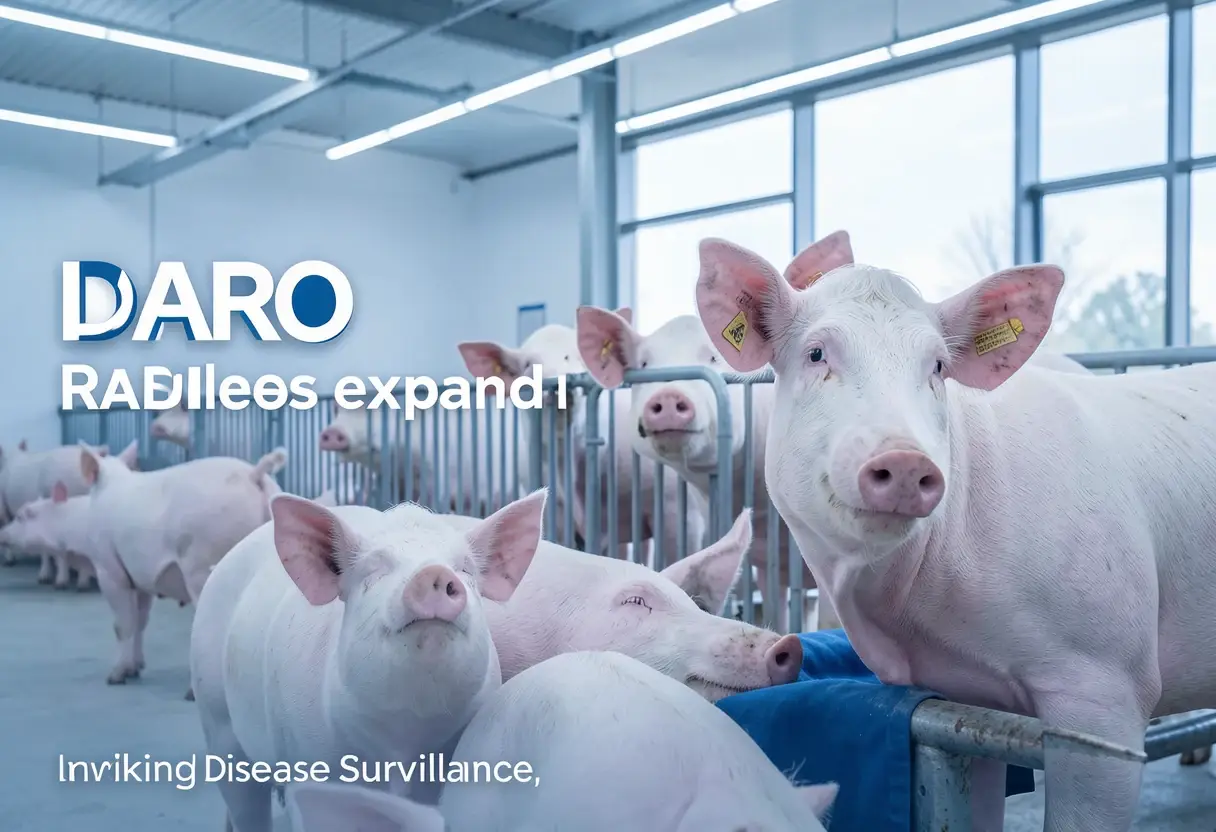
Photo: PublicDomainPictures / pixabay
The Intergovernmental Authority on Development (IGAD) is pressing member states to strengthen animal health laboratories, aiming to sharpen regional disease surveillance across East Africa and the Horn.
The push, reported by The Star in Kenya, places laboratory capacity at the center of the bloc's strategy for detecting and responding to livestock disease threats that cross borders. For practitioners and public health officials in the region, the question is what changes on the ground.
Why laboratories lead the agenda?
Surveillance systems depend on diagnosis. Without laboratory confirmation, reports of suspected outbreaks remain provisional, and response decisions stall at the level of clinical suspicion. IGAD's emphasis on stronger laboratories signals an effort to move regional surveillance from anecdotal reporting toward confirmed, traceable case data.
That distinction matters for trade as much as for health. Cross-border livestock movement in the IGAD region is constant, and trading partners rely on laboratory-verified disease status before accepting animals and animal products. Weak diagnostic capacity therefore carries an economic cost, not merely an epidemiological one.
What could change for the region's vets?
For field veterinarians and veterinary paraprofessionals, stronger laboratories would mean shorter distances to sample submission, faster turnaround on results, and clearer case definitions for reportable diseases. It would also strengthen the evidence base behind vaccination campaigns and movement controls, allowing control measures to target confirmed foci rather than broad precautionary zones.
The food-animal and public-health stakes are intertwined. Many priority livestock diseases in the region, including those transmissible to humans, are detected first in animals. Laboratory capacity in the animal health sector therefore functions as an early warning system for human health as well, a point consistent with established approaches to zoonotic disease surveillance.
What happens next?
IGAD's call now sits with member states, whose investments in equipment, staffing and quality assurance will determine whether regional surveillance capacity actually improves. Practitioners and producers alike stand to gain if confirmation times shorten and disease reporting gains credibility across borders.
Source: Google News: Livestock health
Elena Vasquez
Show full bio
Market editor covering money, funding and market shifts around Small- and large-animal clinical practice at The Vet Scope.