At-Home Test Kits Press Into Veterinary Diagnostics
DVM 360 asks whether click-and-swab home test kits are disrupting veterinary medicine, as consumer diagnostics move sample collection out of the exam room and into owners' hands.
Updated
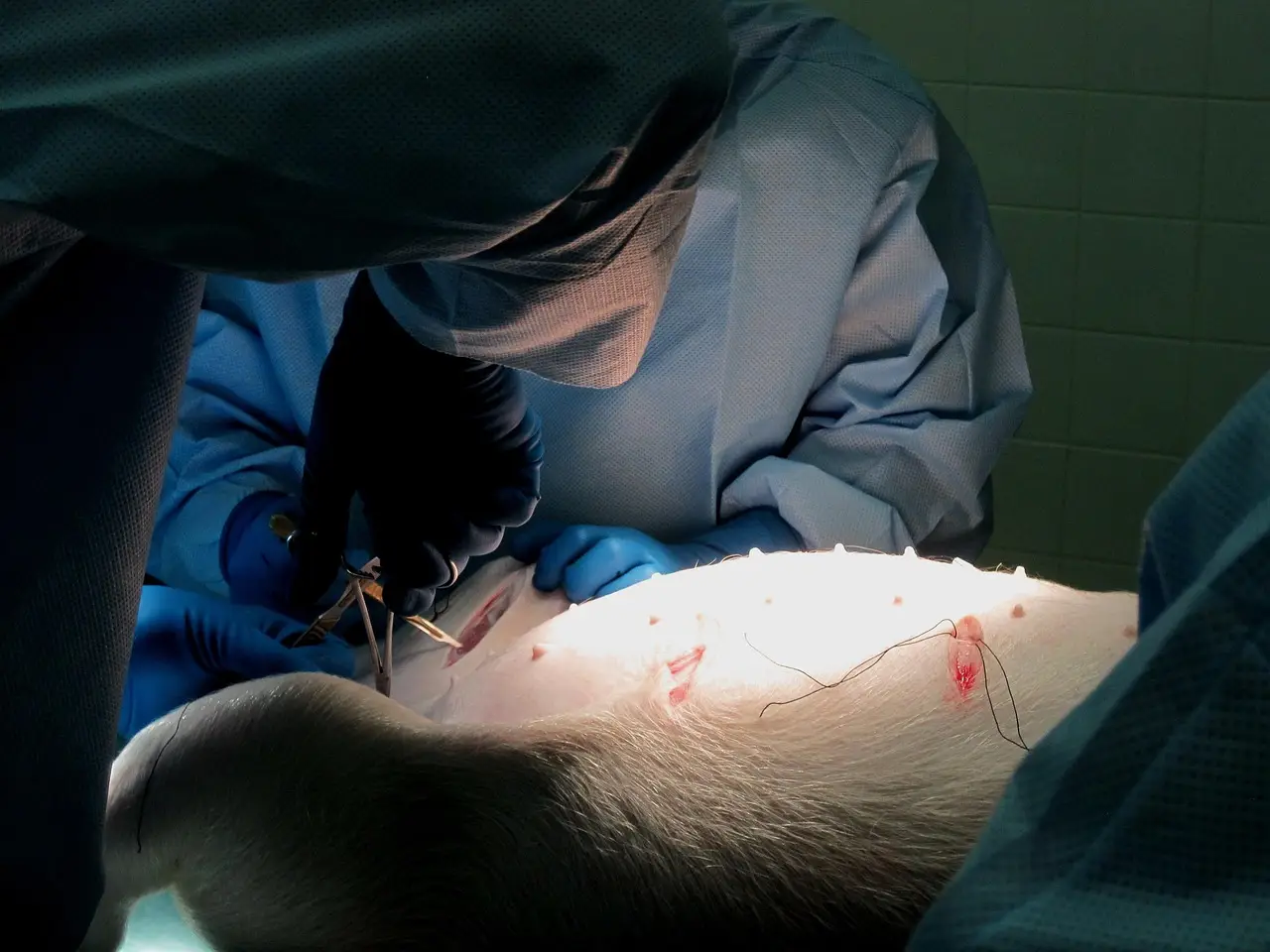
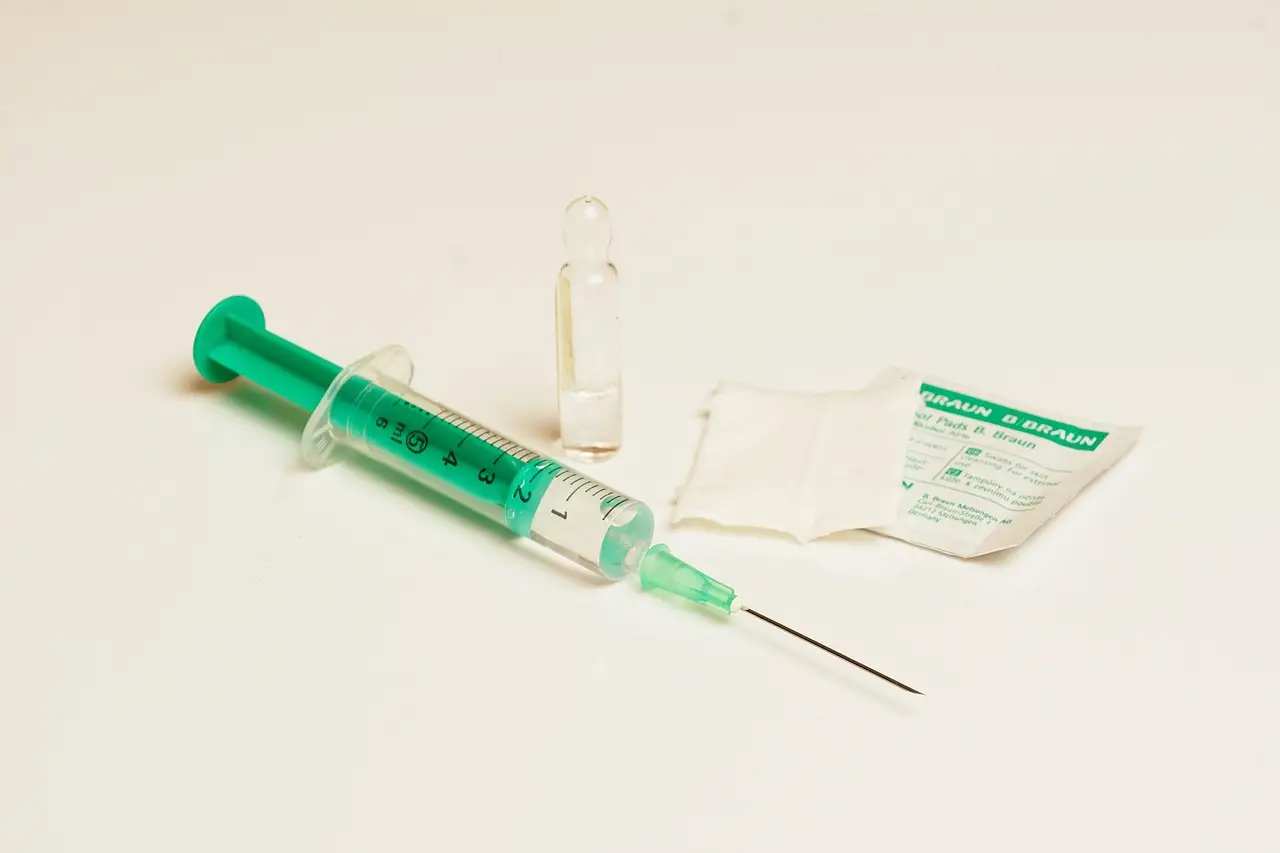
Photo: Bru-nO / pixabay
A single headline question — "Click. Swab. Diagnose: Are at-home kits disrupting veterinary medicine?" — frames the latest examination from DVM 360 of consumer diagnostic kits that let pet owners collect samples at home and mail them for analysis.
The report centers on a model that requires no clinic visit. The owner orders a kit online, collects a swab from the animal, and receives a result, which positions the product between retail convenience and medical diagnostics. DVM 360 asks directly whether this model is disrupting established veterinary practice.
What is actually being sold?
The kits under discussion follow a common pattern. The customer clicks to purchase, swabs the animal, and waits for a diagnosis delivered outside the traditional exam-room pathway. That three-step framing — click, swab, diagnose — is the core of the DVM 360 piece.
The question mark in the headline matters. DVM 360 presents disruption as an open issue rather than a settled conclusion, and the article invites practitioners to weigh the trend against their own caseloads.
Why the question lands now
Direct-to-consumer sampling shifts the point of first contact away from the veterinarian. When an owner collects the sample, the profession loses the physical examination, the history-taking, and the clinician's judgment that normally surround a diagnostic test.
For companion-animal practice, the stakes are twofold. Results generated outside a veterinary-patient relationship may arrive without interpretation, and clinics may see animals only after an at-home result raises alarm. Food-animal and public-health implications sit differently: herd-level sampling and reportable-disease testing remain tied to regulatory and accreditation structures that consumer kits do not replace.
The takeaway in plain words: the swab can move to the living room, but the diagnosis still depends on who reads the result.
What practitioners should watch
The DVM 360 piece frames the trend as a question of professional adaptation rather than rejection. Practices that understand what these kits can and cannot deliver are better placed to integrate or counter them.
No specific kit brands, regulatory determinations, or study data appear in the report itself, so practitioners should treat the piece as a prompt for due diligence rather than a product review. Veterinarians evaluating client questions about at-home results will want to confirm the analyte, the laboratory, and the validation behind any kit a client mentions.
The open question DVM 360 leaves with readers is whether the profession treats at-home sampling as competition, as a screening layer, or as a referral funnel back into the clinic. How practices answer that in the coming year will shape whether disruption becomes integration.
Source: Google News: Veterinary drugs
Daniel Okafor
Show full bio
News editor covering technology and product news in Small- and large-animal clinical practice at The Vet Scope.
Related articles
Pet Owners Rank Veterinary Care Among Last Expenses to Cut
RECOVER First-Aid Playbook Targets Client Coaching in Vet Clinics
Support Is Not Treatment: Vets Need a Shared Supplement Language
KVP International Acquires SafePath-IVD in Cross-Species Diagnostics Push
AVMA Frames 'The Future of Veterinary Medicine Is Human'