Merck Launches Nonadjuvanted Rabies Vaccines as Human Exposures Climb
Merck's Nobivac NXT 1- and 3-Rabies vaccines reach US clinics as CDC reports 17% more rabies exposure inquiries and sharply higher PEP product use nationwide.
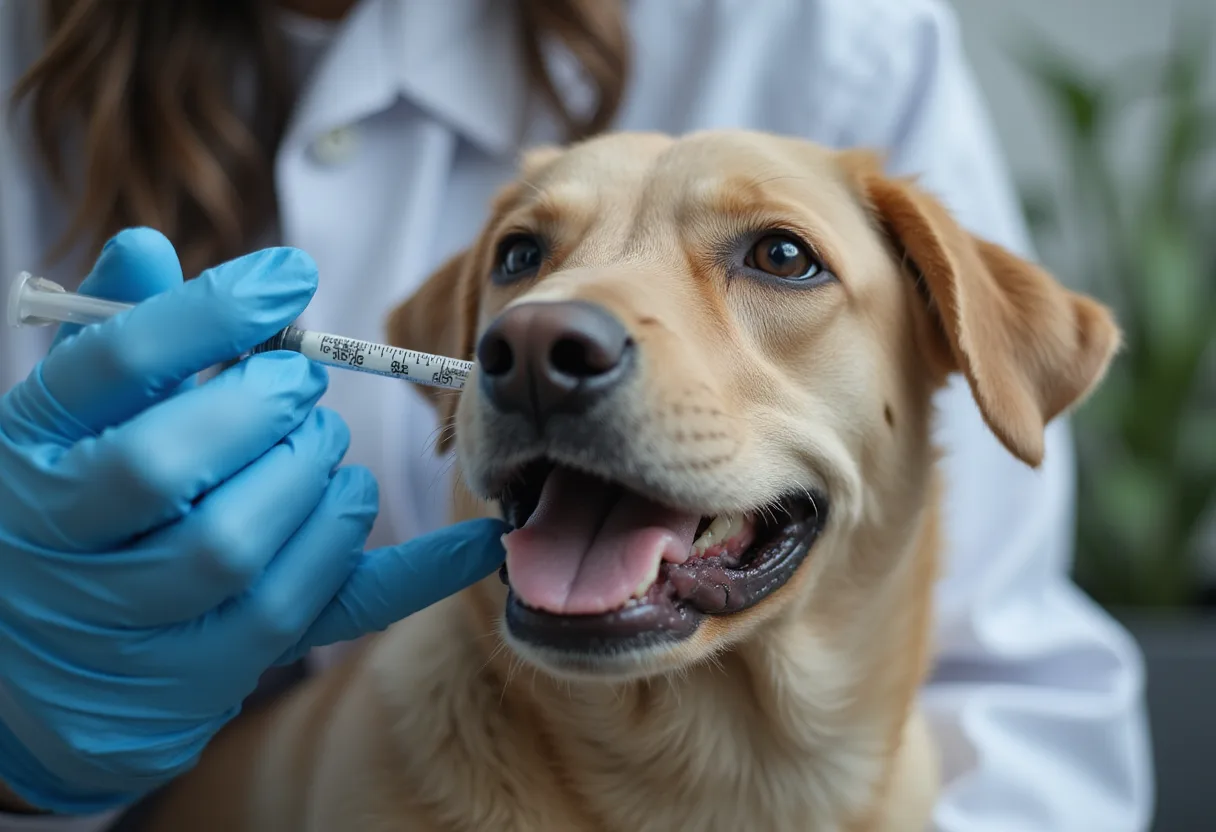
Photo: AI-generated
Merck Animal Health announced United States availability of Nobivac NXT 1-Rabies and Nobivac NXT 3-Rabies on November 2, 2026, releasing two nonadjuvanted rabies vaccines for healthy dogs and cats 12 weeks of age and older into a market where human rabies exposures are rising nationwide.
The timing is the story. Weeks before the launch, the CDC issued a Health Alert Network Health Advisory documenting a nationwide increase in reported human rabies exposures, and the new products arrive as clinics weigh how companion animal vaccination protects both pets and people. Nobivac NXT 3-Rabies provides a 3-year duration of immunity after a repeat dose, according to the company's release.
Both vaccines rest on the Nobivac NXT platform. They are nonadjuvanted, preservative-free, antibiotic-free, and thimerosal-free, and each comes in a low-volume 0.5-mL dose designed to support comfort and ease of administration for veterinary teams and patients.
"With Nobivac NXT Rabies, veterinarians now have an innovative option designed to provide trusted rabies protection while supporting a positive vaccination experience for pets, veterinary teams, and pet owners alike," said Meg Conlon, DVM, executive director of US companion animal veterinary services at Merck Animal Health.
"Vaccination remains a cornerstone of rabies prevention, but advances in vaccine technology also create opportunities to improve the vaccination experience," added Laura Greene, DVM, DACVIM (SAIM), internal veterinary medicine specialist at Merck Animal Health.
How bad is the exposure trend?
Rabies is a zoonotic viral disease that is nearly 100% fatal but preventable when postexposure prophylaxis (PEP) is given appropriately before symptoms begin. Infected animals transmit the virus through bites, scratches, or oral secretions.
Since July 2026, multiple US jurisdictions have reported local increases in human exposures involving both known rabies vectors and species in which rabies is less commonly reported, according to the CDC. From July through August, the agency received 17% more rabies-related inquiries than during the same period in 2025, including reports of mass exposure events. At least 8 state health departments reported increased PEP use, PEP administration errors, or both.
Each year, approximately 100,000 people in the United States receive PEP. As of September 2, 2026, use of licensed human rabies vaccines had increased an estimated 33% and use of human rabies immune globulin (HRIG) had increased 76% compared with the same period last year. No shortage exists, but a typical PEP course costs $11,000 to $14,000 per person.
What changes at the exam table?
Veterinarians often sit at the center of the decision about whether a bitten person needs PEP. The CDC notes that PEP is generally not recommended when the biting animal is available for a 10-day observation period, tests negative, or is judged by health officials to pose no rabies risk. Observing an available animal, in consultation with a veterinarian, may serve as a reasonable alternative to testing.
The advisory also presses a practice-level point: people bitten by someone else's pet should request proof of current rabies vaccination, which makes accurate, accessible vaccination records essential. Clinics that maintain clean records directly influence whether a bite victim receives an $11,000-to-$14,000 PEP course or a 10-day observation protocol.
For client communication, the CDC supplies ready-made talking points:
- Keep pets current on rabies vaccines and away from wildlife
- Treat normally nocturnal species, such as bats and raccoons, seen during the day as a warning sign
What about veterinary staff exposure?
The guidance reaches the veterinary team itself. People who have completed a pre- or postexposure series, or a partial series with a documented titer of at least 0.5 IU/mL, should receive 2 vaccine doses on days 0 and 3 and no HRIG after an exposure. Never-vaccinated people need HRIG plus 4 doses.
Misclassifying prior vaccination history ranks among the common PEP errors the CDC lists, so staff who keep records of their own rabies vaccination and titer results can help ensure they receive appropriate care after a workplace exposure.
As exposure reports climb and biologics demand grows, a 3-year nonadjuvanted option for dogs and cats gives practices a tool that aligns clinic protocols with a public-health problem the CDC now tracks month by month.
Source: dvm360.com
Nathan Brooks
Show full bio
Senior reporter covering companies, deals and strategy in Small- and large-animal clinical practice at The Vet Scope.
Related articles
Community-Led Dog Vaccination Could Cut Rabies Deaths, WSU Study Finds
Rwanda Targets Zero Rabies Deaths by 2030 Through One Health
Rabies Cases Climb Across US as CDC and Vets Urge Pet Vaccination
Ceva Animal Health Accelerates US Companion Animal Push
World Zoonoses Day returns July 6 with a One Health reminder