Rwanda Targets Zero Rabies Deaths by 2030 Through One Health
Rwanda has committed to eliminating zoonotic diseases, including dog-mediated rabies, by 2030 through an intensified national One Health strategy, IUCN reports.
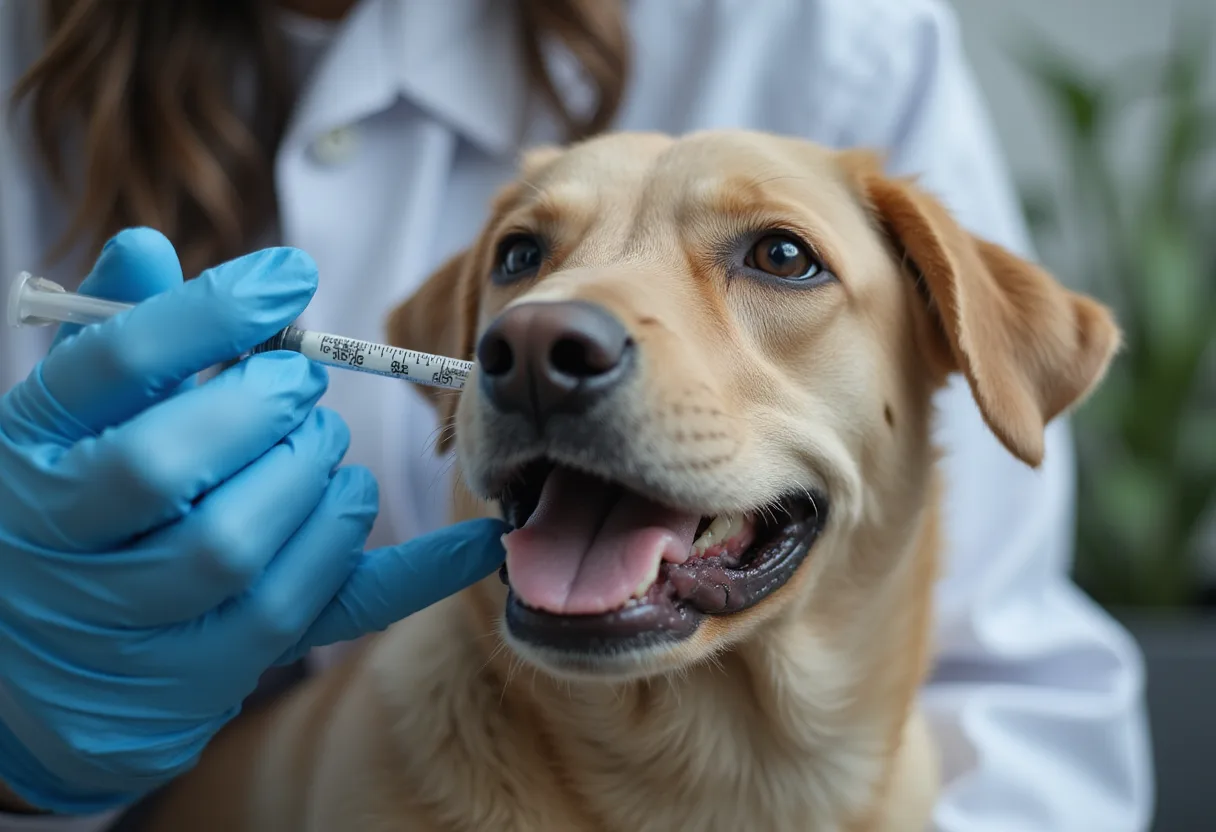
Photo: AI-generated
Rwanda has set a 2030 deadline to eliminate zoonotic diseases, including dog-mediated rabies, and is expanding its One Health strategy to reach that goal, the International Union for Conservation of Nature (IUCN) reports.
The announcement positions the country within the global "Zero by 30" framework — the joint World Health Organization, World Organisation for Animal Health (WOAH, founded as OIE), and Food and Agriculture Organization target to end human deaths from dog-mediated rabies by 2030. Rwanda's intensified campaign rests on the One Health premise that human health, animal health and environmental health cannot be managed separately when the diseases at issue move between species.
Why does this matter at the clinical level?
Rabies is the model zoonosis for One Health coordination. The overwhelming majority of human rabies deaths worldwide follow dog bites, and the tools that prevent those deaths sit largely on the veterinary side of the interface:
- Mass dog vaccination, which interrupts transmission at the animal source rather than treating human patients after exposure
- Surveillance of animal bites and suspected rabies cases to guide post-exposure prophylaxis decisions in people
- Coordination between veterinarians, livestock officers and public health clinicians so cases in animals trigger action in communities
For veterinarians in rabies-endemic regions, the Rwandan approach reinforces a practical point: canine vaccination coverage, not human treatment, is the lever that determines whether national elimination targets are achievable.
What is Rwanda actually intensifying?
According to the IUCN report, the country is stepping up One Health efforts across the board — bringing veterinary, human medical and environmental authorities into a single coordinated response to zoonotic disease rather than parallel, sector-by-sector programs. Rabies is the headline target, but the strategy covers zoonotic diseases broadly, the category that includes pathogens moving between wildlife, livestock, companion animals and people.
That breadth matters in a regional context where wildlife reservoirs, expanding livestock production and dense human-animal contact create sustained spillover risk. A One Health architecture gives animal-health officers a formal channel into human-health decision-making — the coordination gap that has historically delayed outbreak response in many countries.
What are the public-health and animal-health implications?
The plan separates cleanly into its two audiences:
- Public health: Eliminating dog-mediated rabies removes a fatal but fully preventable source of human mortality, with post-exposure prophylaxis remaining the individual safety net while animal-source control does the population-level work.
- Animal health: Sustained mass vaccination of dogs becomes the operational core of the program, alongside surveillance that links veterinary field reports to human case detection.
Can a 2030 target hold?
National elimination deadlines are demanding, and Rwanda has now publicly anchored itself to one. The IUCN report does not spell out interim vaccination-coverage milestones or budget figures, so the measure of progress will be whether dog vaccination campaigns and cross-sector surveillance scale fast enough to bend transmission curves before the deadline.
What is clear is the direction: Rwanda is formalizing One Health as national zoonotic-disease policy, with rabies — the disease where veterinary action most directly saves human lives — as its benchmark for success by 2030.
Editor's note: The IUCN report provides the program's goals and framework; The Vet Scope will track implementation details, including vaccination coverage data and surveillance outcomes, as Rwanda releases them.
Source: Google News: Zoonotic disease
Elena Vasquez
Show full bio
Market editor covering money, funding and market shifts around Small- and large-animal clinical practice at The Vet Scope.
Related articles
Egypt's Agriculture Ministry Ramps Up Rabies Field Operations
WHO Commends Indonesia's One Health Leadership on Zoonoses
Community-Led Dog Vaccination Could Cut Rabies Deaths, WSU Study Finds
Animal Health Gets as Little as 0.6% of Global Health Spending
WHO launches joint action to reduce zoonotic disease risks in Indonesia