Rabies Cases Climb Across US as CDC and Vets Urge Pet Vaccination
US rabies cases are rising, prompting a CDC health advisory and calls for pet vaccination; roughly 100,000 Americans receive post-exposure shots each year.
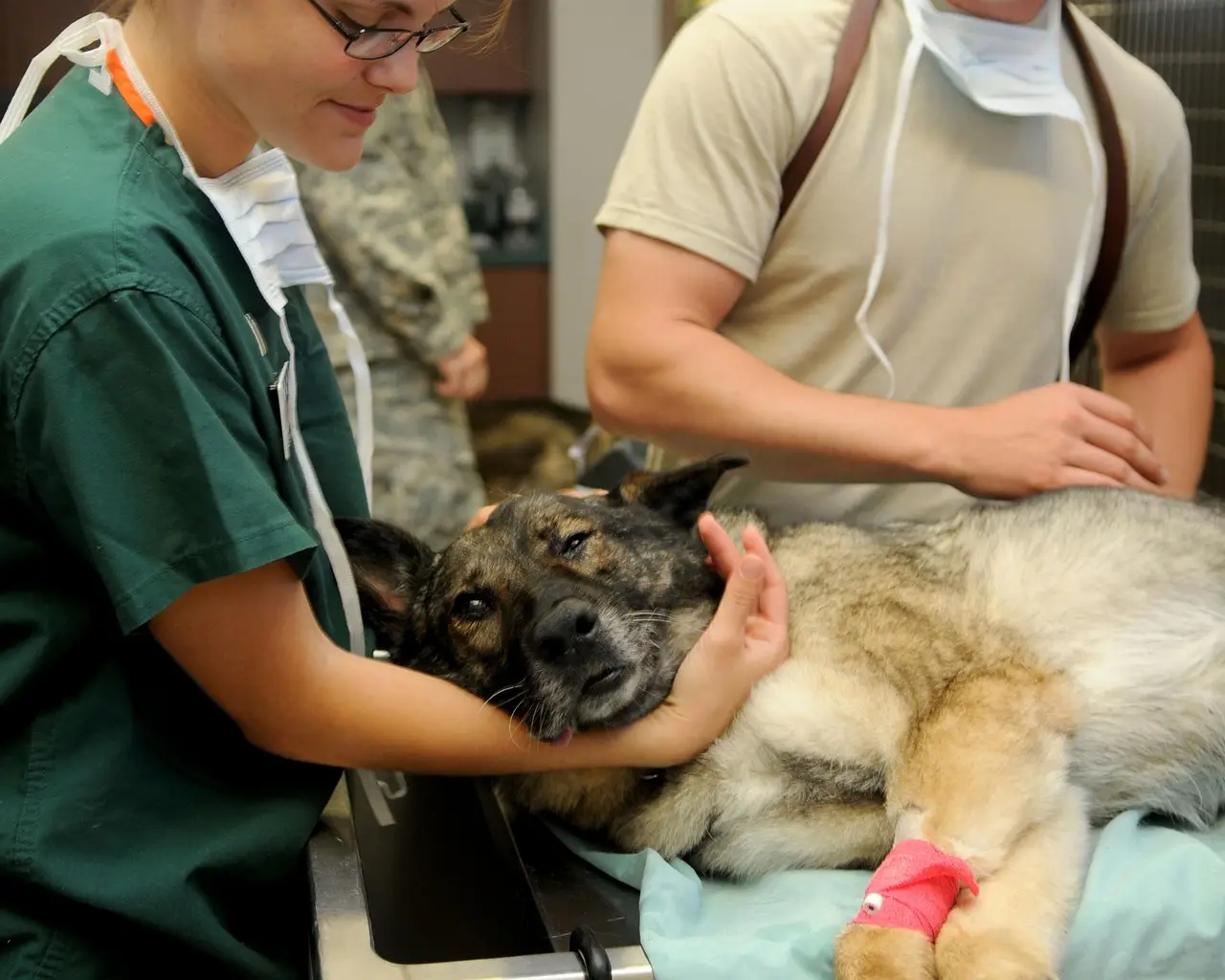
Photo: 12019 / pixabay
Rabies is nearly 100 percent fatal once clinical symptoms appear, yet roughly 100,000 Americans receive vaccination after possible exposure every year, according to the CDC. A surge in animal rabies cases across the United States has now prompted federal health officials and veterinary organizations to issue public health warnings.
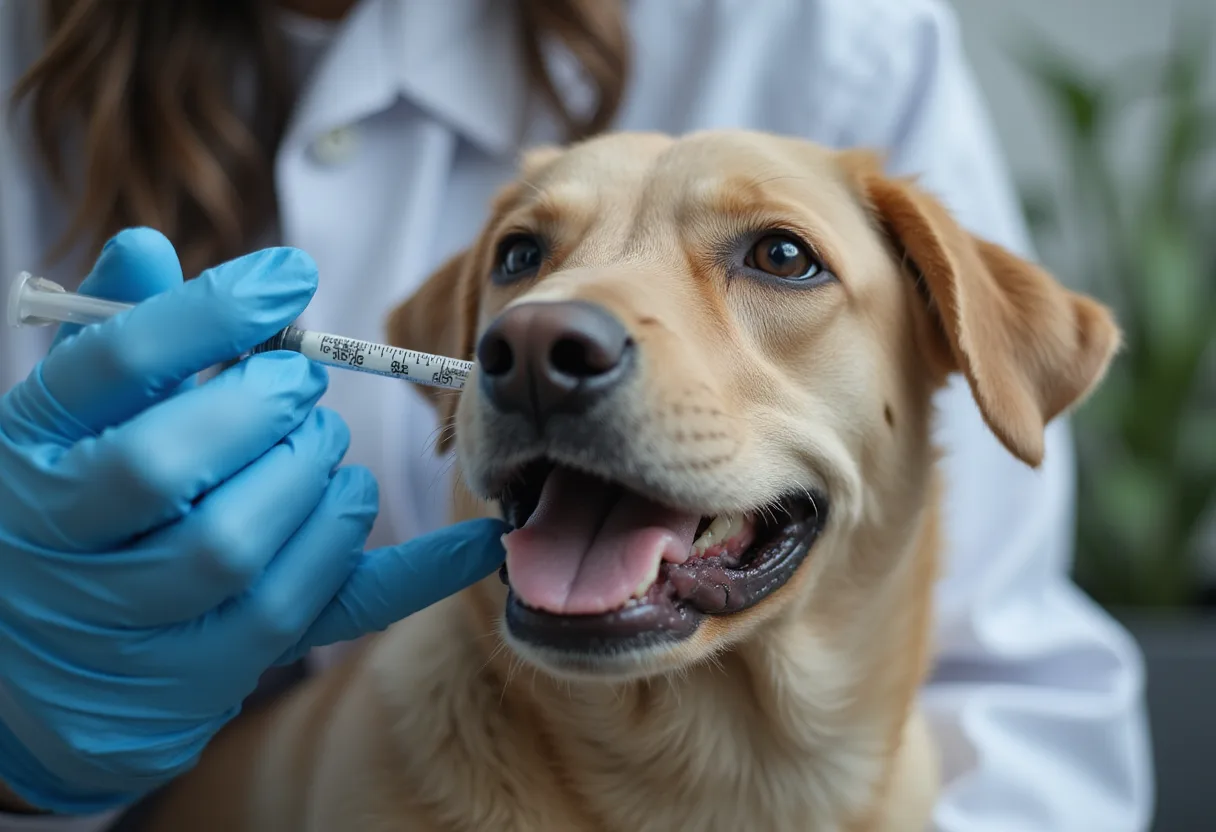
The veterinarian worker network Vet Candy is calling on owners to vaccinate domestic pets against rabies, because infected wildlife such as bats and raccoons pose a risk to both humans and companion animals. The push follows a string of detections in urban areas, including one city's third reported rabid bat of the year.
The core message for clinics is simple: current vaccination of domestic animals remains the most reliable barrier between wildlife reservoirs and human patients.
What animals carry the risk?
The CDC reports that the animals most frequently found infected with rabies in the United States are bats, raccoons, skunks, and foxes. Rabies is a zoonotic viral disease, transmissible between animals and humans.
Bats account for a notable share of human exposure events, and urban bat detections — such as the third rabid bat reported this year in one city — show the risk is not confined to rural settings. The wildlife reservoir species are the takeaway for practitioners: any unvaccinated pet with wildlife contact warrants a rabies risk discussion.
Why the CDC issued an advisory
Last month, the CDC issued a Health Alert Network (HAN) health advisory in response to increases in human exposures to rabid or possibly rabid animals. The advisory targets clinicians directly, warning that errors in rabies risk assessment and in post-exposure prophylaxis (PEP) administration can result in potential adverse effects and avoidable costs.
The advisory carries a clear practice-level instruction for physicians and public health responders. In short: get the risk assessment and the PEP protocol right the first time.
How should post-exposure prophylaxis be given?
After a bite or scratch from an infected animal, health care providers can administer PEP to prevent the virus from spreading and causing death. The CDC guidance distinguishes between two patient groups.
- Previously unvaccinated persons: "For persons who have never been vaccinated against rabies, PEP should always include [human rabies immune globulin] HRIG and vaccine," CDC authorities said.
- Previously vaccinated persons: These patients "should receive vaccine on days 0 and 3 and should not receive HRIG," according to the CDC.
The distinction matters clinically and financially. Giving HRIG to a previously vaccinated patient adds cost without benefit, and omitting it in a naive patient leaves a fatal-preventable gap. That split protocol is the single most quotable operating rule from the advisory.
What signs should the public recognize?
Vet Candy authorities pushed back on the most common assumption about how rabid animals behave.
"One of the biggest misconceptions about rabies is that infected animals always appear aggressive," Vet Candy authorities said. "While aggression can be a clinical sign, rabid animals may also become unusually friendly, disoriented, weak, or unable to walk normally."
For veterinary teams and animal control, that behavioral range changes triage. A docile or disoriented wild animal is as much a rabies suspect as an aggressive one, and any abnormal wildlife behavior around pets or people should trigger standard rabies precautions.
Separate implications by sector
Companion-animal practices: Vet Candy's call places the burden of prevention on routine pet vaccination. Owners presenting with unvaccinated dogs or cats in areas with known wildlife rabies activity should receive vaccination counseling at the exam table.
Public health: The CDC advisory addresses the human side of the exposure pathway. The approximate 100,000 Americans receiving post-exposure vaccination annually represent a substantial public health workload, and the new advisory aims to reduce errors within that caseload.
Wildlife surveillance: Continued detection of rabid bats in cities indicates active viral circulation in urban wildlife reservoirs, sustaining the exposure risk that drives both pet vaccination and human PEP demand.
What comes next
With the CDC advisory in force and veterinary organizations amplifying the vaccination message, the near-term outlook hinges on two things: uptake of pet vaccination in affected areas and correct PEP administration by clinicians. Both the federal advisory and Vet Candy's campaign signal that exposure numbers, not the virus itself, are the variable to watch in coming months.
Source: Google News: Zoonotic disease
Daniel Okafor
Show full bio
News editor covering technology and product news in Small- and large-animal clinical practice at The Vet Scope.
Related articles
Two Bats Test Positive for Rabies in Montana, Prompting Pet-Owner Warning
Rabies Prevention Belongs on Every Farm's Risk Checklist
Rabid Bat Found Inside Virginia Home Triggers Richmond Health Warning
Rabies Case in Cattle Prompts Safety Guidance From Health Officials
Community-Led Dog Vaccination Could Cut Rabies Deaths, WSU Study Finds