Machine Learning Hits 88% Accuracy Detecting Offal Disease at Slaughter
An Australian hyperspectral imaging and machine learning system identifies six offal diseases with 88% accuracy and returns objective health data to beef producers.
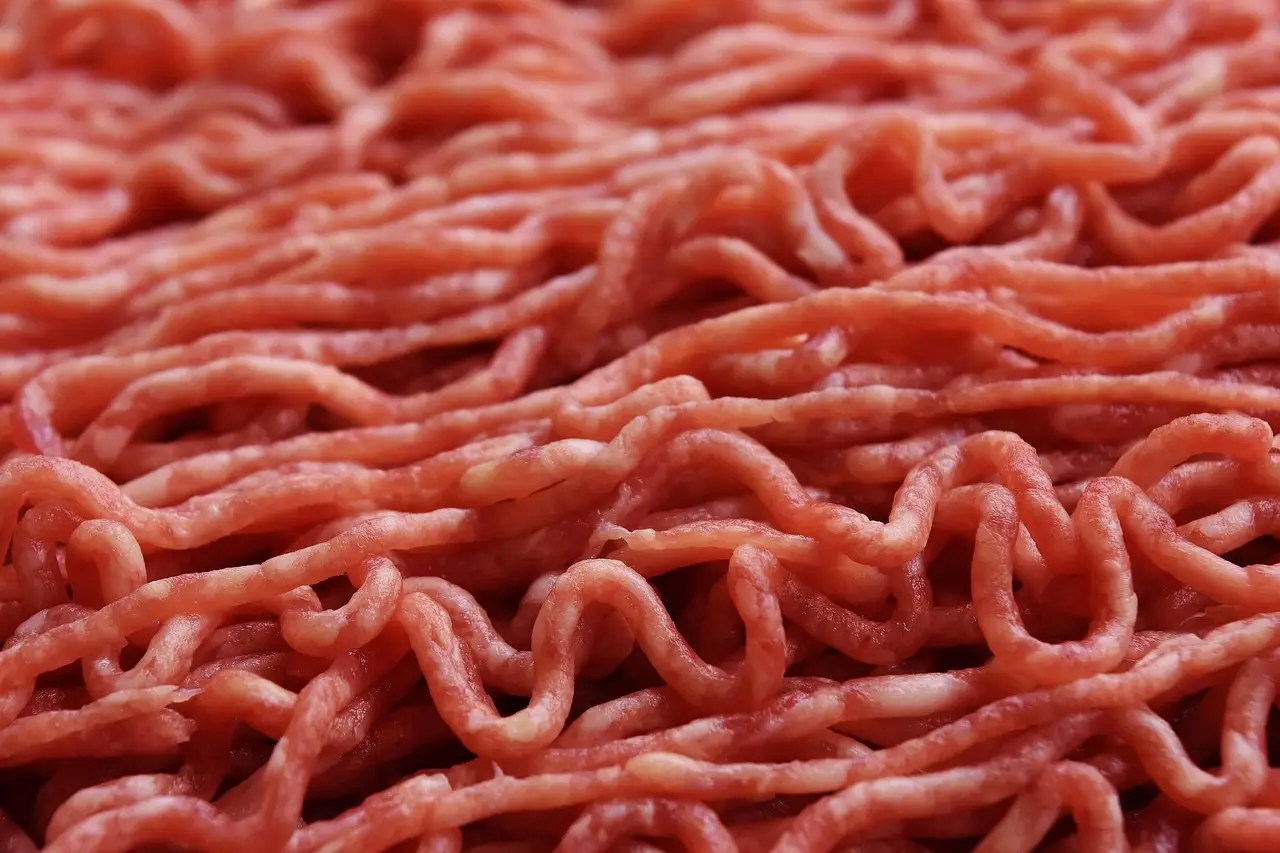
Photo: Alexas_Fotos / pixabay
A machine learning system developed in Australia now identifies six diseases in beef offal with 88% accuracy under realistic processing conditions, according to results from pre-commercial testing at Charles Sturt University's Food Pilot Plant.
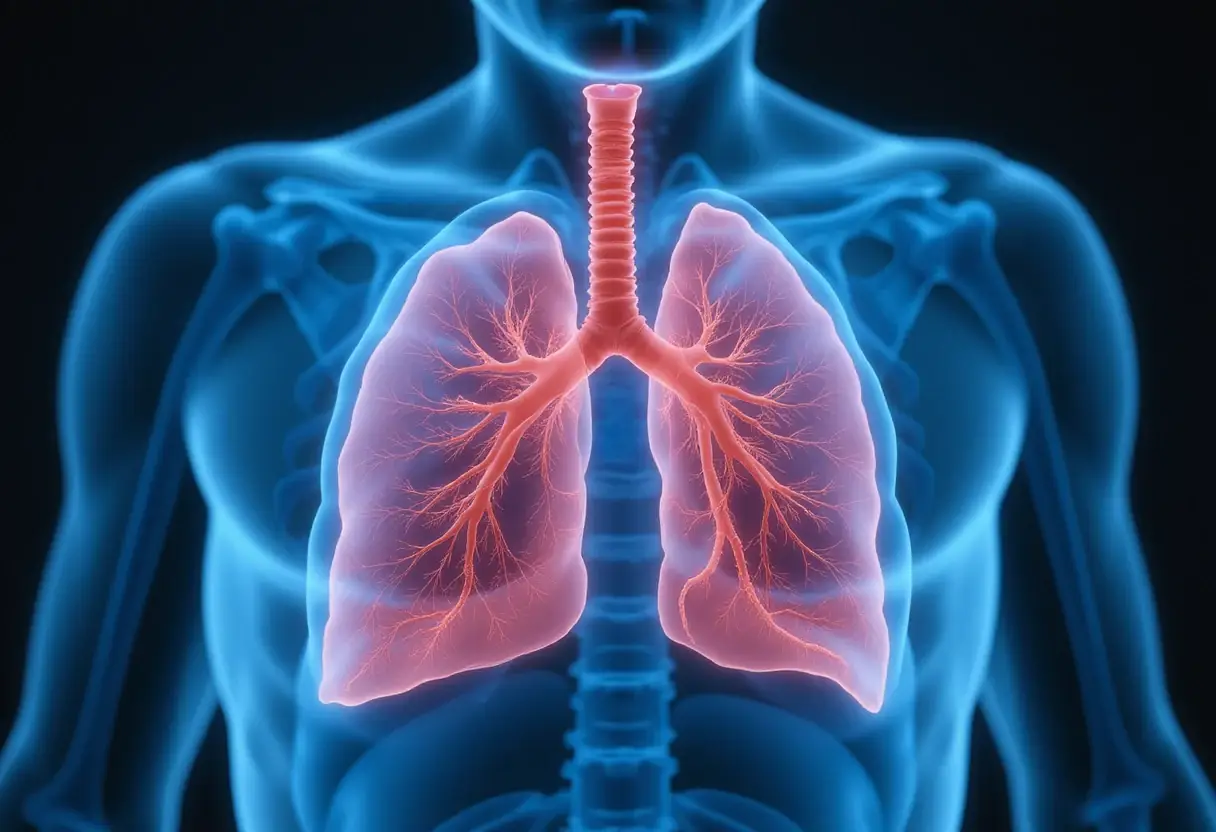
The technology — a joint project of Charles Sturt University (CSU) and P&P Optica, funded through the MLA Donor Company with support from Meat & Livestock Australia and Tey's Australia — pairs hyperspectral imaging with machine learning to assess lungs, livers and kidneys in real time on the processing line. The six conditions it distinguishes from healthy tissue are liver abscess, liver fluke, kidney cysts, pneumonia, pleurisy and nephritis.
What changes at the plant?
For decades, disease detection in offal has relied on visual assessment by meat inspectors — a labour-intensive process that varies between individuals and processing sites. The new system works alongside inspectors rather than replacing them, providing what the project team describes as an objective and repeatable method of diagnosing disease and defects.
Professor Jane Quinn of CSU's School of Agricultural, Environmental and Veterinary Sciences, who leads the project, framed the gap the technology addresses: "The role of the meat inspector is to identify whether the presence of disease that impacts food safety exists, not to necessarily diagnose the disease or defect and communicate it back to producers."
She continued: "This leaves a gap in the flow of information through the supply chain, which presented to us as an opportunity to develop a tool that could operate alongside existing inspection systems, and provide producers with consistent feedback to support on-farm decision making."
The concept is not new to the team. Quinn said the idea emerged almost a decade ago, when researchers began exploring how technology could overcome the limitations of traditional visual inspection and inconsistent data capture. Earlier proof-of-concept work showed machine learning could successfully differentiate between disease states in beef lungs.
How the algorithms were built
Turning veterinary expertise into machine-readable information fell to Professor Lihong Zheng of CSU's School of Computing, Mathematics and Engineering, working with P&P Optica's model development team. Zheng developed algorithms capable of detecting and diagnosing disease and defects in offal via camera, while P&P Optica developed parallel algorithms for hyperspectral image capture.
"My role in this project was to interpret Jane's expert knowledge into machine-actionable information," Zheng said. "In simple terms, that meant teaching a computer to recognise the same disease indicators that an experienced meat inspector or veterinarian would identify during an assessment."
Drawing on thousands of images collected during the project, P&P Optica trained the models to separate healthy tissue from the six disease states. Hyperspectral imaging adds a layer of analysis beyond what the human eye can see. P&P Optica then integrated the trained model into a commercial product installed at CSU's Food Pilot Plant, where the system assessed offal in real time for the first time under realistic processing conditions.
What does 88% accuracy mean for producers?
On the processing floor, Dr Stephen Cork — a CSU research fellow with extensive meat processing and quality assurance experience — led validation of the system's commercial performance.
"We were able to achieve an accuracy rating of 88% for our six identifiable diseases across the three offals — that will gradually improve as we gain access to more samples for scanning," Cork said.
He noted that the figure's real value lies in the quality of feedback returned to producers. "By providing objective and consistent health data, the technology has the potential to give producers greater visibility of the health challenges affecting their livestock," Cork said, adding that the data will help producers identify trends, assess the effectiveness of management practices, and make more informed decisions to improve productivity and carcase quality over time.
As Quinn put it: "You can look at a lot of animals from the outside and they all look the same, but the inside will tell a different story."
Next phase
The project's next stage focuses on refining the scanning system's design into a more modular structure that can be integrated into existing processing plant infrastructure and adopted more broadly across the Australian red meat industry.
Source: Google News: Livestock health
Amara Osei
Show full bio
Correspondent covering companies, deals and strategy in Small- and large-animal clinical practice at The Vet Scope.
Related articles
Deep-Learning Lung Ultrasound Targets Dairy Calf Consolidation Scoring
Deep learning framework SPIRO targets ovine lung lesion scoring
Gold nanoparticle test pairs with ML for dairy pathogen tracing
Meat Industry and Research Sector Pledge Closer Ties on Animal Health
Alveo and Royal GD Broaden Livestock Diagnostics Partnership Beyond Poultry