Decoding Canine Fear: What Albuquerque Vets Are Reading
An Albuquerque Journal pet care column on decoding canine fear pushes behavior literacy toward owners, with direct implications for how practices handle fearful dogs.
Updated
Photo: 6689062 / pixabay
A pet care column in the Albuquerque Journal, titled "Pet care: Decoding canine fear," turns a familiar clinical problem into a public conversation: recognizing when a dog is afraid, and what that recognition asks of owners and veterinarians alike.
The column appears at a moment when fear-based behavior in dogs sits squarely in practice reality. Practitioners know the pattern. A dog that freezes at the threshold, licks its lips without food in sight, yawns in a waiting room, or growls during a nail trim is communicating, not misbehaving. Columns like this one matter because they move that clinical literacy into living rooms, where most fear signals first appear and where most misreads happen.
The source headline names the task plainly: decoding. That verb carries weight. Fear in dogs rarely announces itself as fear. It arrives as behaviors owners label stubbornness, dominance, or sudden aggression, and the decoding work falls to whoever spends the most time watching the animal.
Why does a consumer column matter to practitioners?
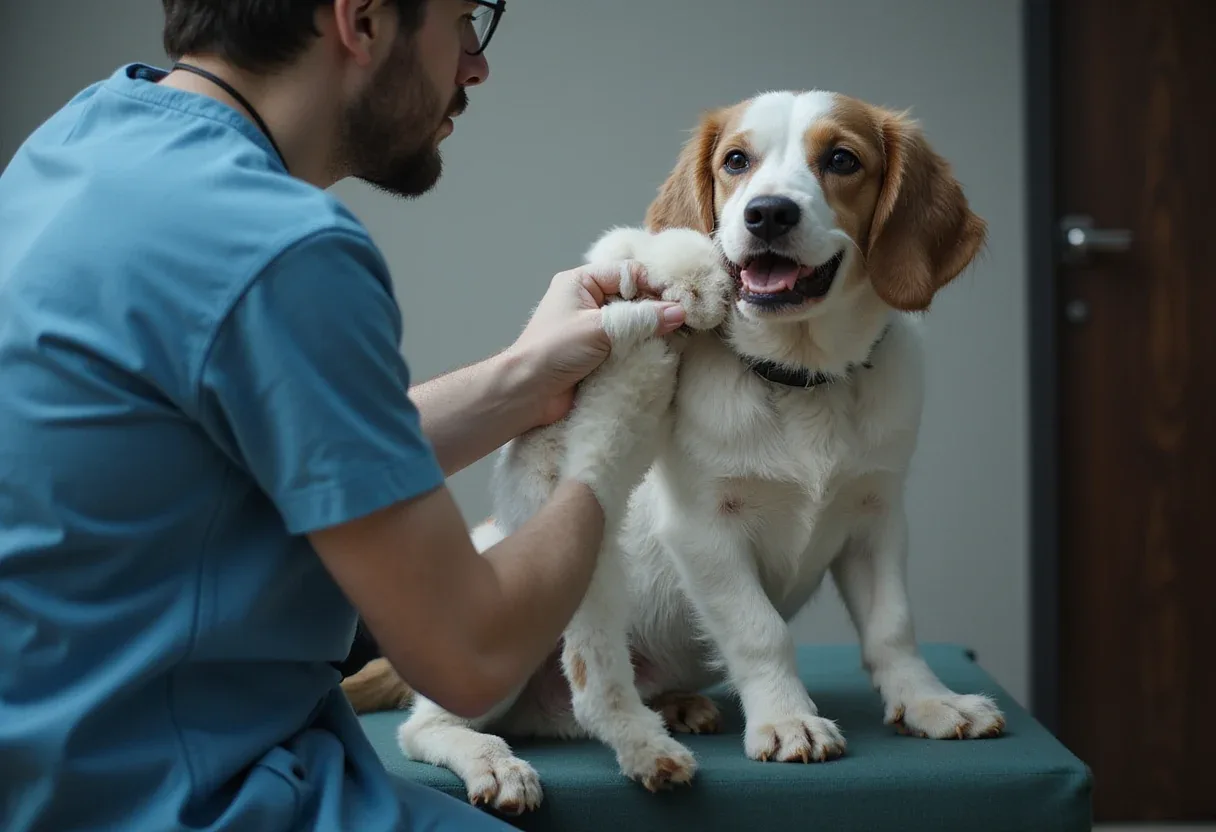
When a regional outlet devotes its pet care column to fear, the effect reaches the exam table. Owners arrive primed to ask about behavior they previously dismissed. They may report the lip-licking, the whale eye, the tucked tail, the refusal of treats a dog normally takes. That reporting changes the intake conversation, and it gives practitioners an opening to discuss fear-free handling, desensitization, and referral to a behavior professional when signals exceed what a general practice can manage.
The public-health dimension is not trivial. The AVMA and public health agencies have long identified bites as the most common safety risk at the dog-owner interface, and fear is a leading contributor to bite incidents. Every column that teaches an owner to read a stiff body or a lowered head before contact is a column that may prevent an emergency visit.
What does the column ask owners to do?
The title frames the work as decoding, which implies observation before intervention. For practitioners, the parallel clinical discipline is well established:
- Watch the whole body, not just the tail or the ears.
- Treat subtle signals — yawning, lip-licking, turning away — as early data, not noise.
- Avoid punishing the signal, because suppressing a growl removes the warning without removing the fear.
- Match the response to the trigger, whether it is noise, handling, strangers, or separation.
Each of these points reflects standard behavior-medicine guidance that a general pet care column of this kind typically draws upon, and each translates directly into advice practitioners repeat daily.
What changes at the practice level?
Regional media attention to canine fear tends to raise appointment traffic on behavior complaints. Clinics can prepare for that in simple ways. Train reception staff to schedule fearful dogs at quiet hours. Keep treats at the front desk. Build a handling plan into the medical record rather than improvising restraint each visit. These measures cost little and change the visit for the dog, the owner, and the team.
The takeaway for practitioners is straightforward. A column like this one does the profession a service: it teaches owners that fear has a vocabulary, and it sends them to the clinic ready to speak it.
Whether this specific column travels beyond Albuquerque remains to be seen, but its subject — teaching the public to read fear before it becomes a bite — is a conversation every practice will eventually join at the front desk.
Source: Google News: Veterinary medicine
Elena Vasquez
Show full bio
Market editor covering money, funding and market shifts around Small- and large-animal clinical practice at The Vet Scope.
Related articles
Cornell CVM Offers Guidance on Dogs' Anxious Behavior
Frontiers study puts ChatGPT replies against veterinarian answers
New Study Says 99% Dog Behavior Figure Was Overstated
Pet-Directed Speech Linked to Repeat Visits in 400-Owner Survey
Community-Led Dog Vaccination Could Cut Rabies Deaths, WSU Study Finds