Dog Swallows Croc and Bottle Top, Owners Face $6000 Surgery Bill
King Dobby swallowed a Croc sandal and a bottle top, confronting his owners with a $6000 surgical decision that lays bare the cost of emergency foreign-body care.
Updated
Photo: Cparks / pixabay
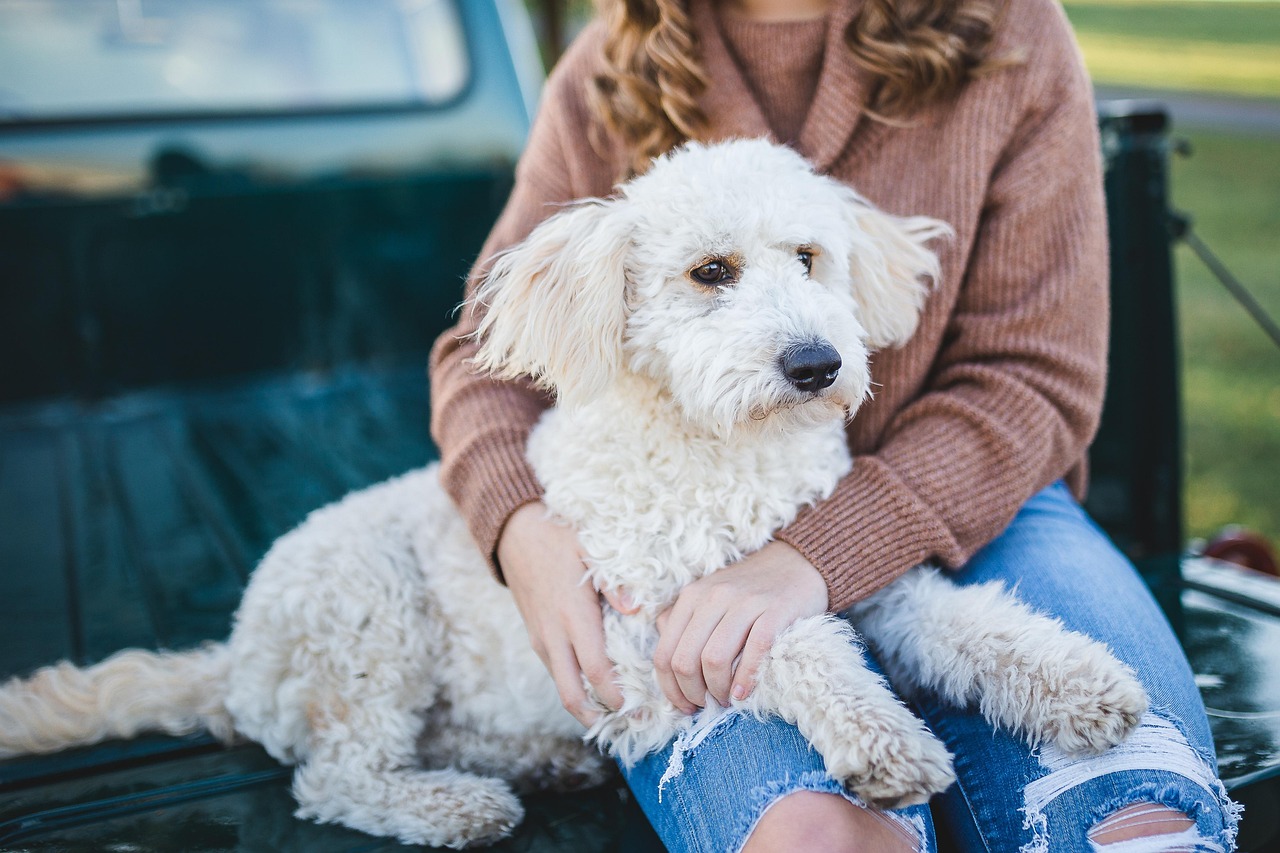
A dog named King Dobby swallowed a Croc sandal and a bottle top, and the bill to fix it came to $6000 — a figure that forced his owners into what they describe as an impossible financial choice.
The case, reported by The Age, is the kind that lands in emergency clinics every week: a dog, an indigestible household object, and a four-figure invoice. In King Dobby's instance, the objects were a rubber clog and a plastic bottle cap, and the invoice was $6000 — roughly the cost of a decent used car, or several months of a typical household's groceries.
What does a $6000 foreign-body case actually involve?
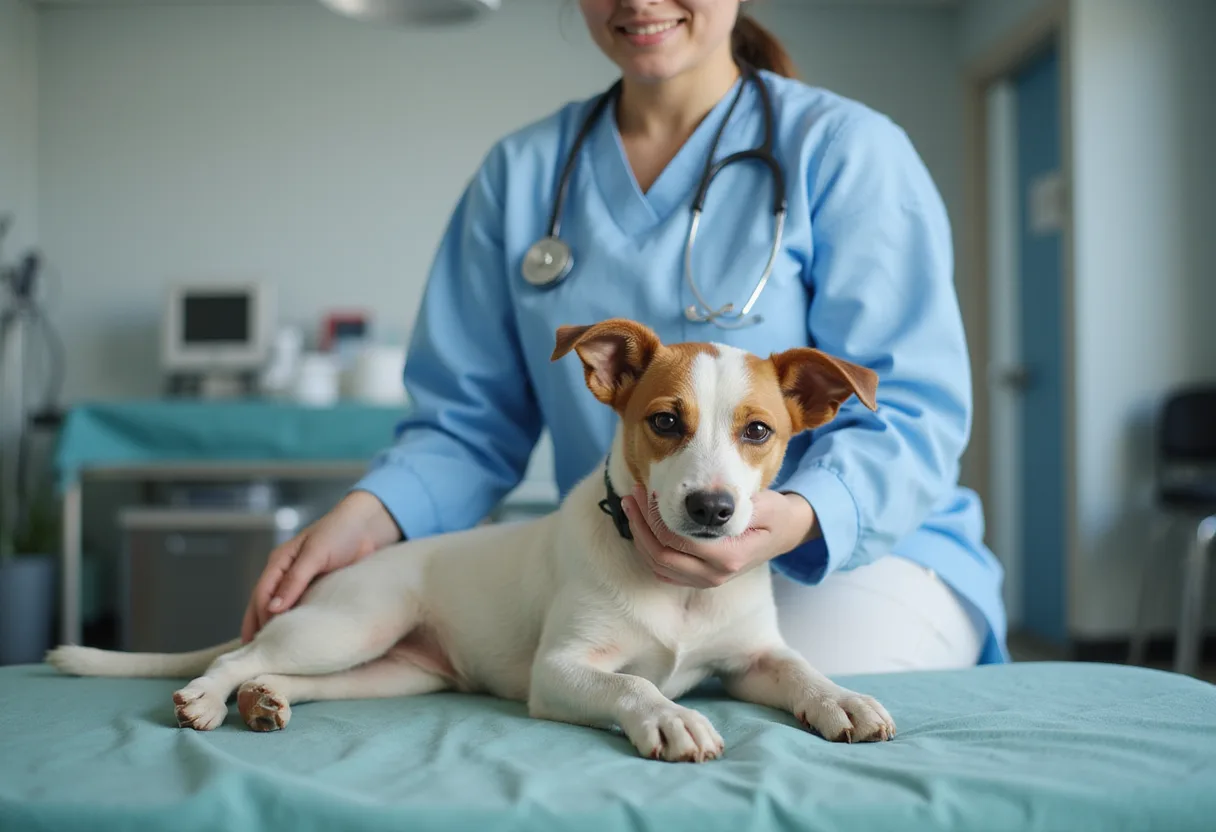
Foreign-body ingestion is one of the most common surgical emergencies in companion-animal practice. Dogs swallow items ranging from socks and corn cobs to toy fragments and, as here, footwear. Treatment typically requires diagnostic imaging to locate the object, then either endoscopic retrieval or surgery to remove it, followed by hospitalization and recovery care.
The cost driver in cases like King Dobby's is not a single line item. It is the stack of them: the emergency consultation, imaging, anesthesia, the surgical procedure itself, intravenous fluids, pain management, and post-operative monitoring. In Australia, where The Age reports the case, complex gastrointestinal surgery in a dog routinely runs into the thousands of dollars — and a two-object ingestion raises the complexity of both diagnosis and removal.
Why the owners faced an 'impossible' choice
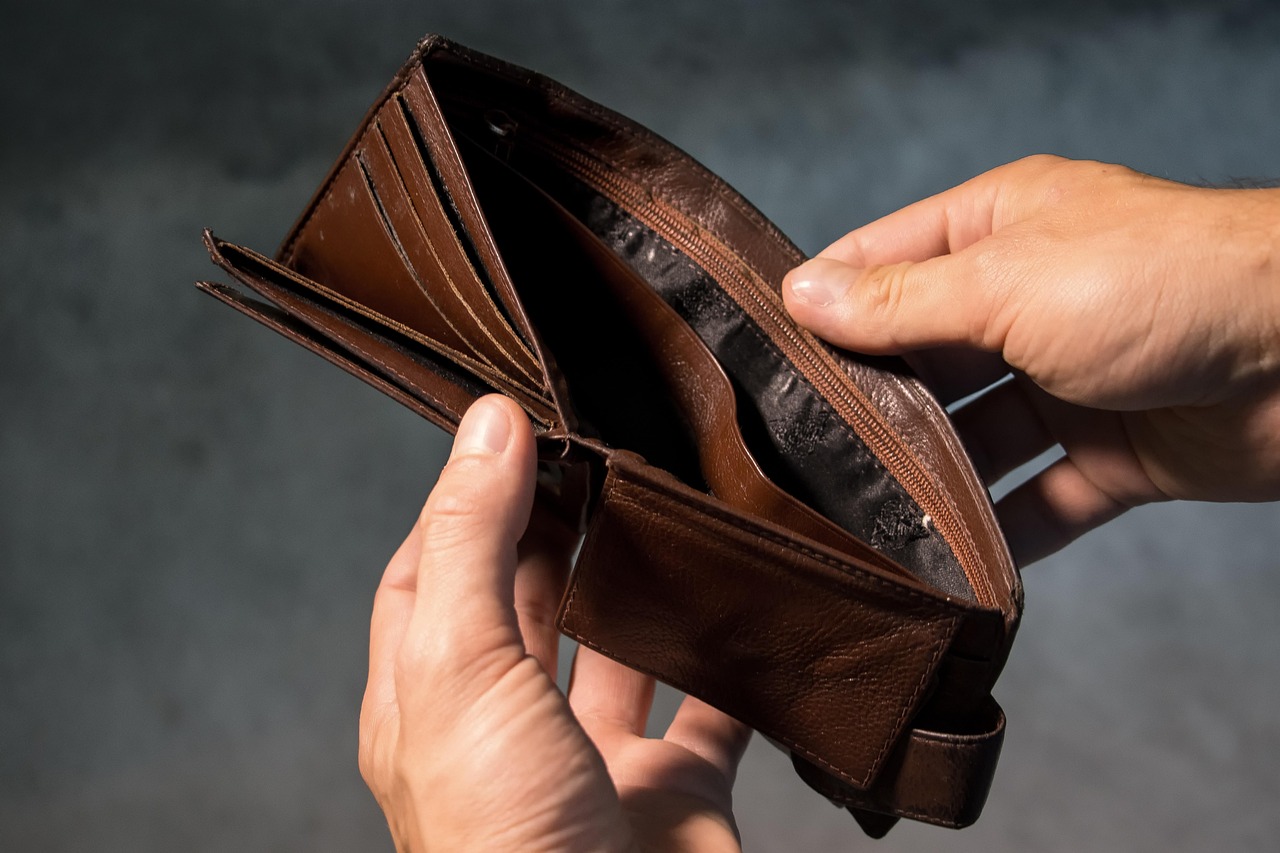
The headline framing — an impossible $6000 choice — points to the gap that veterinarians see regularly: clinically, the intervention is straightforward and the prognosis with prompt treatment is often good; financially, the outlay can exceed what a household has on hand.
That gap is the practical takeaway for the exam table. When an owner calls because a dog has swallowed a foreign object, time matters: delayed presentation increases the risk of intestinal obstruction or perforation, which raises both the clinical risk and the final invoice. Clinics that triage these calls fast, quote early, and outline payment options — insurance claims, payment plans, third-party financing — give owners the best chance to say yes to surgery before the case deteriorates.
What changes for owners and practices?
For companion-animal households, the case is a prompt on two fronts:
- Prevention: footwear, bottle caps, and similar items are among the everyday objects dogs ingest. Securing them is cheaper than retrieving them.
- Financial readiness: pet insurance or an emergency fund changes the arithmetic on a $6000 estimate from an impossible decision into a managed one.
For practices, the case is a reminder of the communication burden in emergency surgery. The clinical team can often save the dog; the conversation about cost, staged honestly and early, is what determines whether the treatment happens in time.
The Age's report on King Dobby sits within a broader Australian conversation about veterinary costs and access to care, and cases like his tend to become the anecdotes that drive it — one dog, two swallowed objects, and a $6000 estimate that a family had to find before surgery could proceed.
Whether the industry's answer arrives through wider insurance uptake, clinic-level payment innovation, or owner education on prevention, the underlying numbers are not going away.
Source: Google News: Animal health industry
Amara Osei
Show full bio
Correspondent covering companies, deals and strategy in Small- and large-animal clinical practice at The Vet Scope.
Related articles
Low-Cost Veterinary Clinic Opens Its Doors in Northridge
Over 7 Million Pets Insured, Yet Cost Talks Still Wait for Crisis
U.S. Pet Industry Hits $158 Billion in 2025, APPA Reports
Laredo Animal Care Services Plans $1.2 Million Animal Care Clinic
Rising Veterinary Costs Strain Pet Owners and Clinics in Upper Valley